
Last updated November 15, 2026
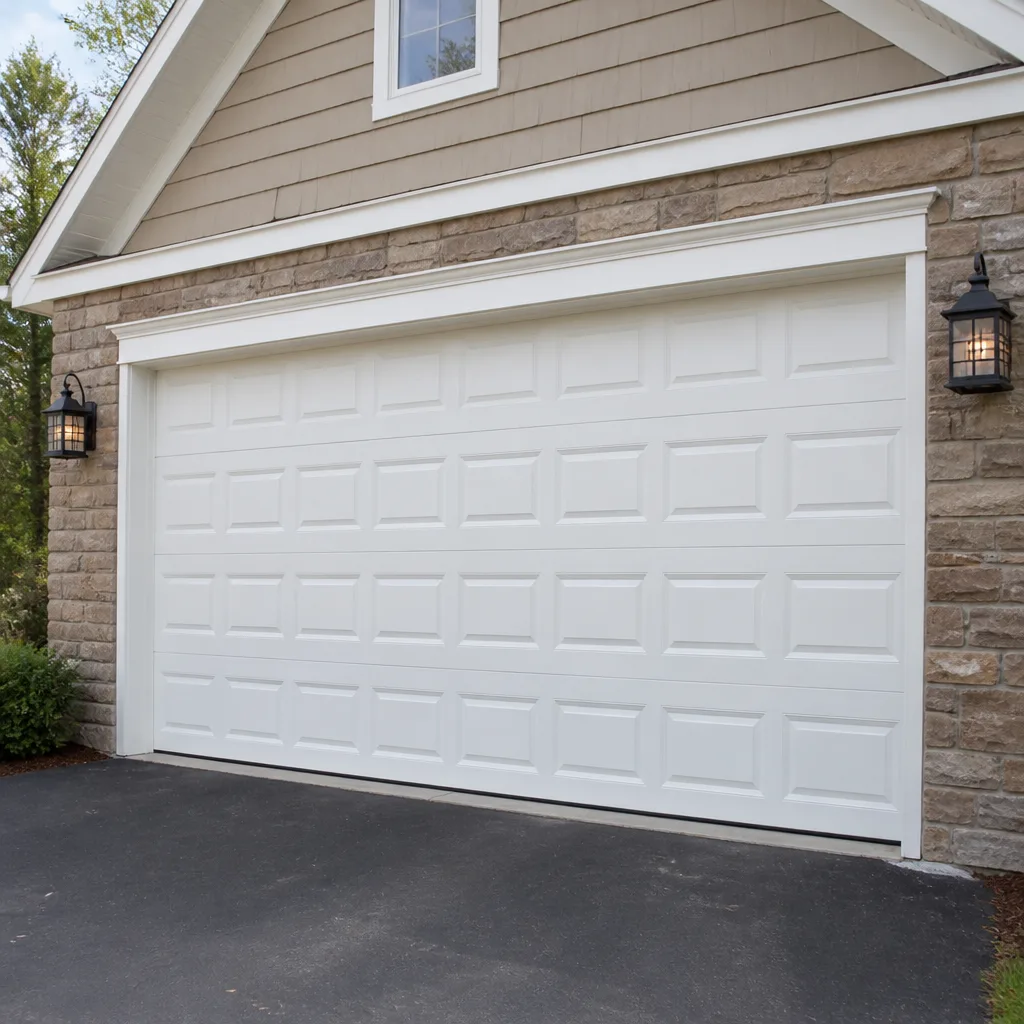 Raised-panel steel
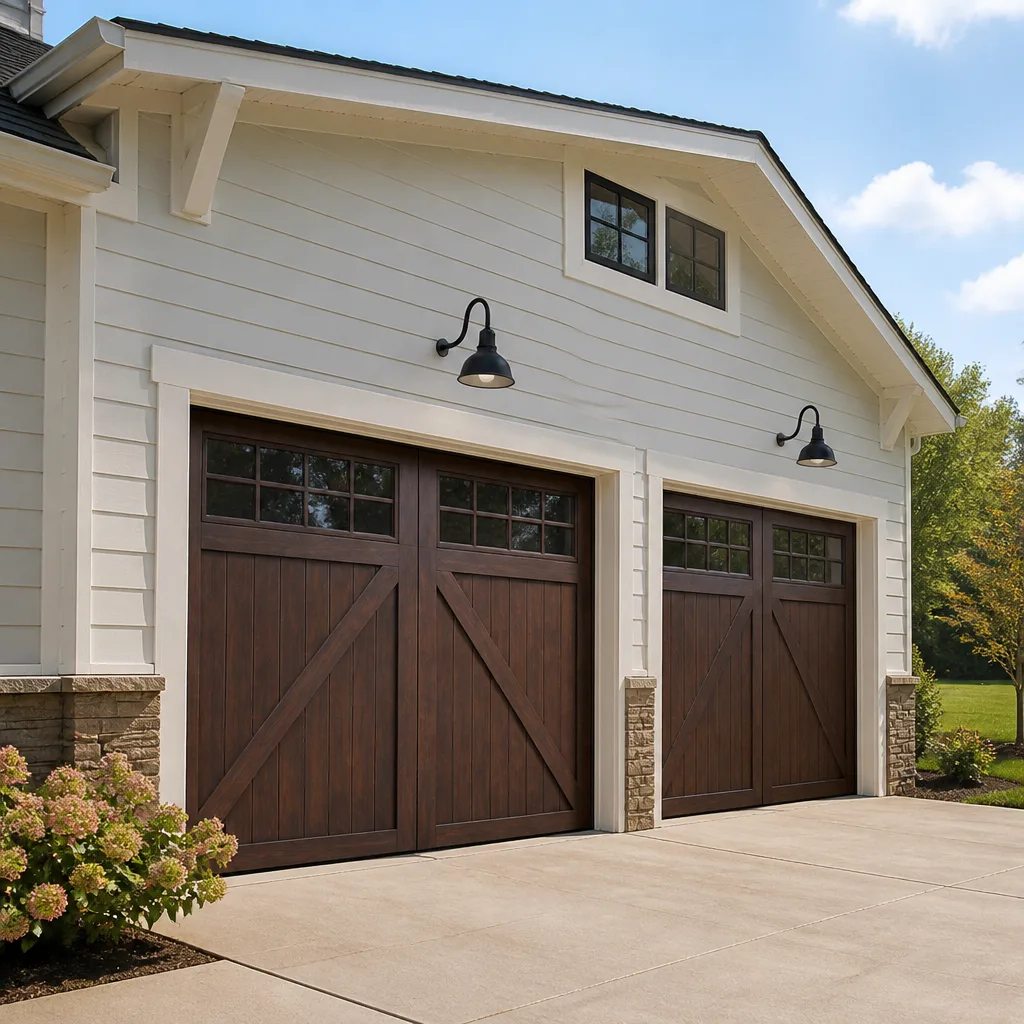 Carriage house
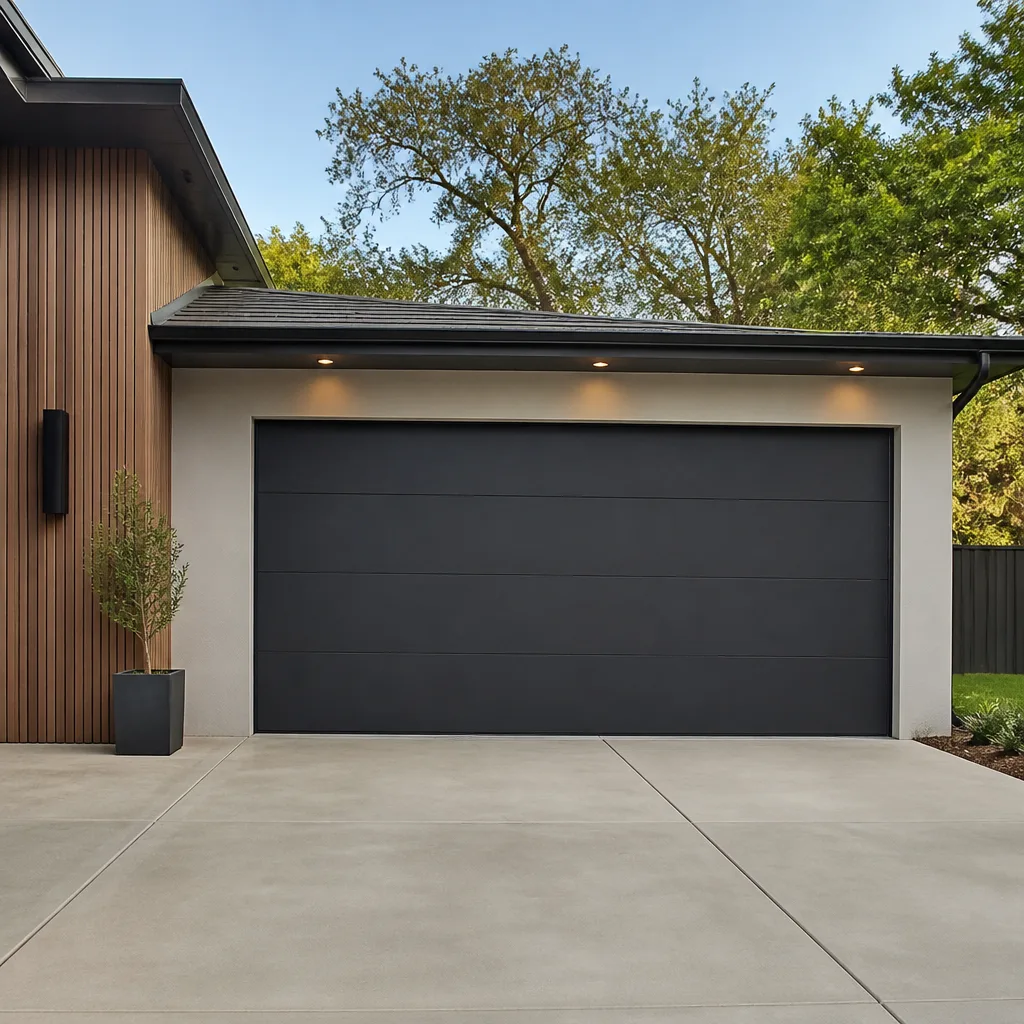 Modern flush
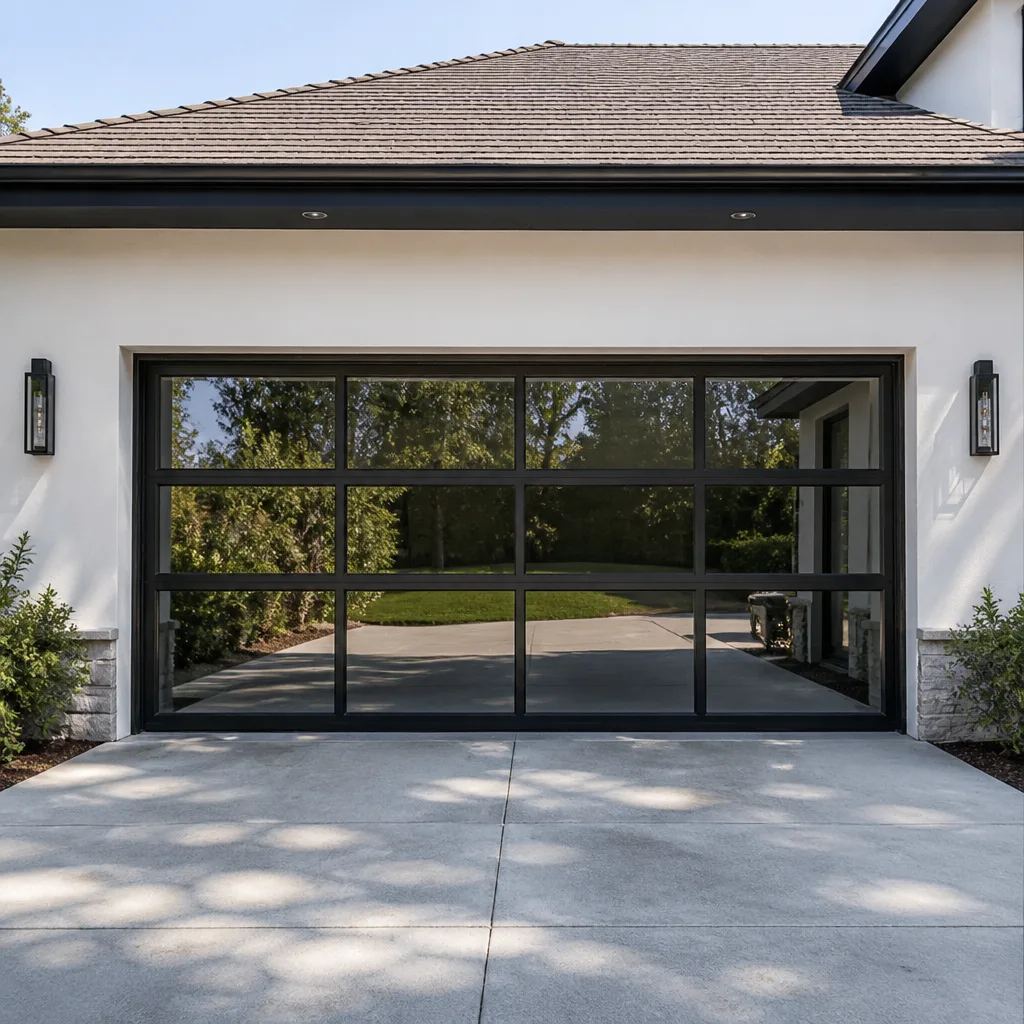 Full-view glass
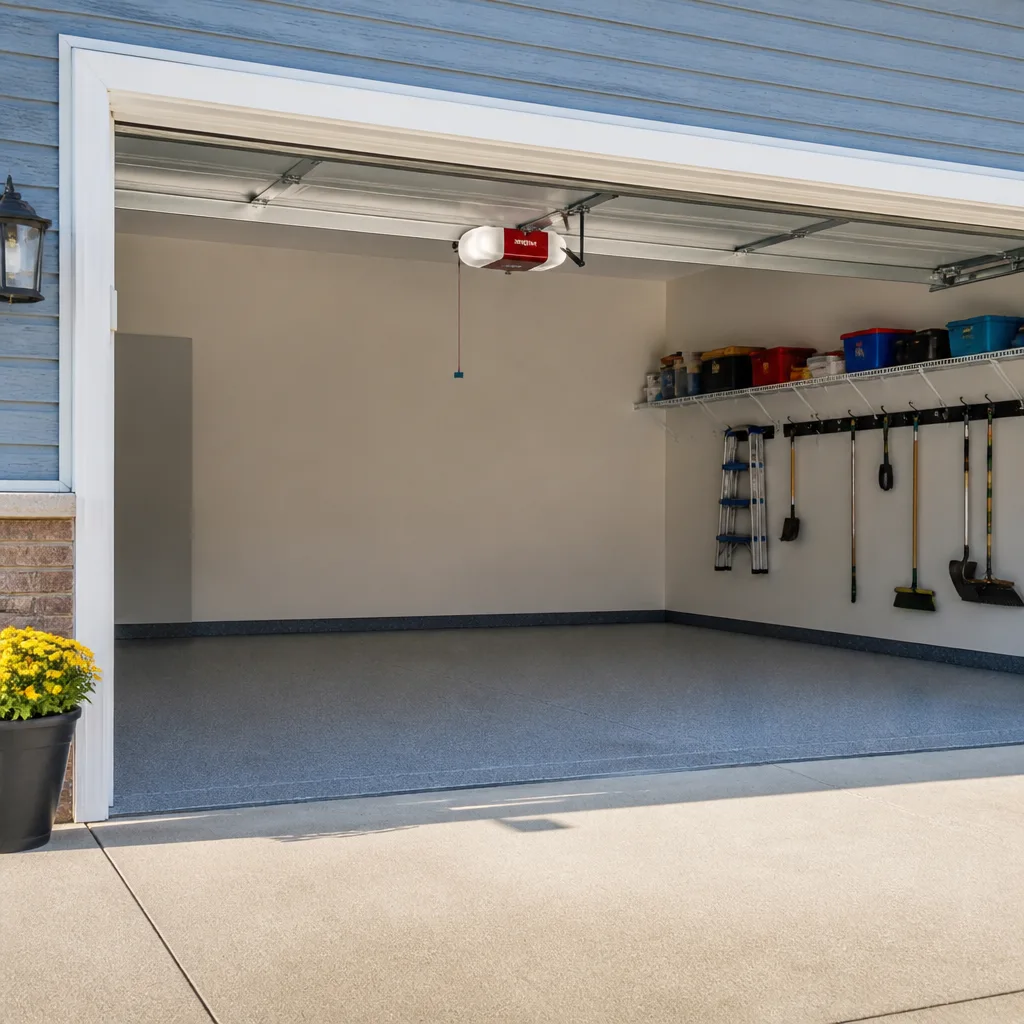 LiftMaster openers
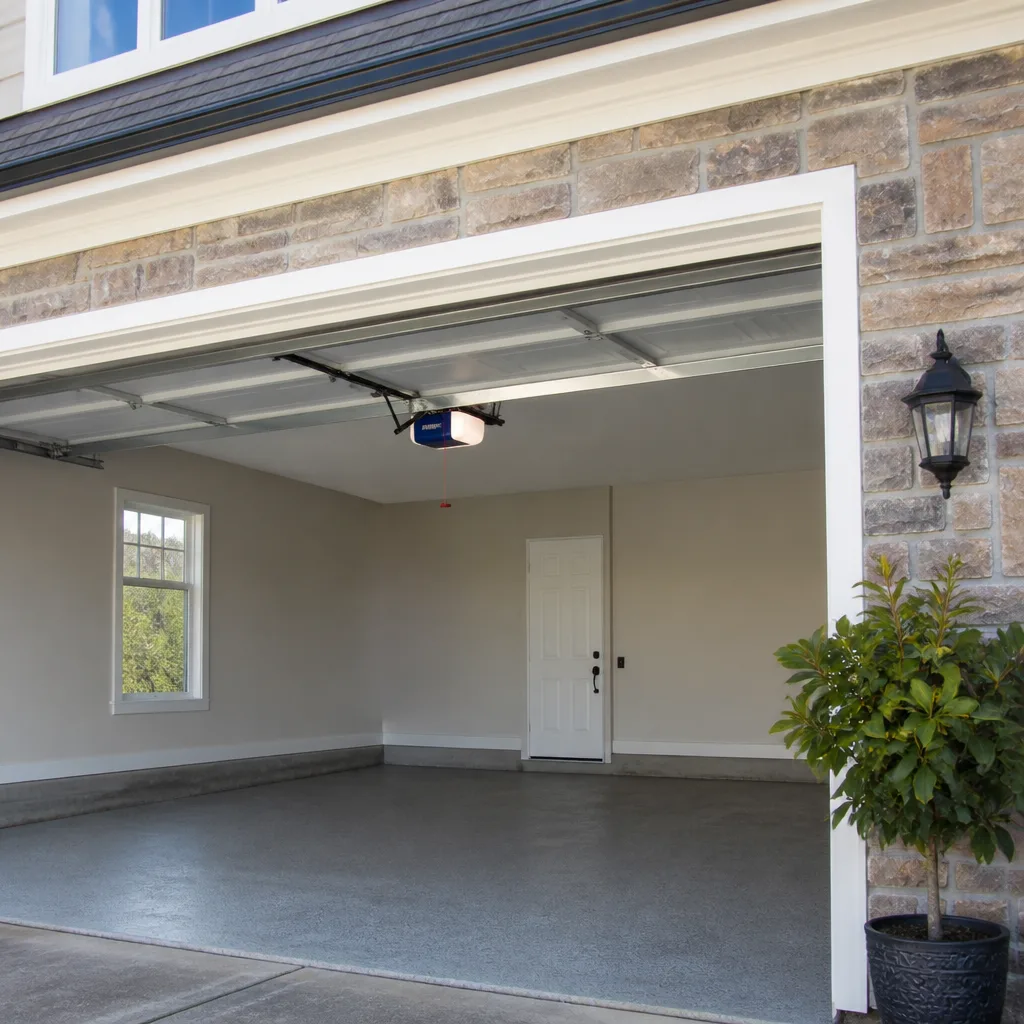 Chamberlain openers
Full 25-point door and opener safety check with every visit - springs, cables, rollers, tracks, and your LiftMaster or Chamberlain opener included
You get a price before we start. It does not change when the pro arrives.
Get your free estimateDIY vs Professional Garage Door: The Tuscaloosa Homeowner’s Decision Guide
Torsion springs store enough energy to cause serious injury in under a second. That’s not a scare tactic, it’s physics, and it’s why the DIY calculus for garage doors is different than it is for most home repairs. Replacing a faucet cartridge or patching drywall rewards patience and a YouTube video. A garage door is a balanced mechanical system under constant tension, and some of its parts should never be touched without the right tools and training. In this guide, we’ll walk through which repairs are genuinely within a homeowner’s reach in Tuscaloosa, which ones aren’t, and how to decide before you pick up a wrench.
Quick Answer
DIY garage door work makes sense for lubrication, sensor alignment, remote programming, and weatherstripping. Anything involving torsion springs, cables, cable drums, or structural panel replacement should go to a specialist, because the stored energy in those parts can cause serious injury and a botched repair often costs more than the original job. For everything in between, a free written estimate tells you whether the professional route is competitive with your time and risk.
Styles & brands we work with
- Raised-panel steel
- Carriage house
- Modern flush
- Full-view glass
- LiftMaster openers
- Chamberlain openers
Table of Contents
- Why Garage Doors Are Different From Other Home Repairs
- What a Homeowner Can Safely Do Themselves
- What Requires a Specialist
- Why YouTube Tutorials Understate the Risk
- The Cost Reality Check in Tuscaloosa
- Alabama Liability, Insurance, and Resale
- The Hybrid Approach: Prepping for a Pro Visit
- A Step-by-Step Decision Framework
Why Garage Doors Are Different From Other Home Repairs
A garage door looks simple from the driveway. It goes up, it goes down, and most of the time it does both without complaint. Under the skin, it’s a counterweight system: springs store energy as the door closes, then release it to help the opener lift a panel that can weigh well over a hundred pounds. Cables connect the springs to the bottom corners of the door, and the whole assembly is tuned so the door stays balanced at every point in its travel.
That stored energy is what separates garage door work from ordinary household repair. A torsion spring under tension holds enough force to break bones or worse if it releases unexpectedly, and it doesn’t care whether you’re holding a wrench or standing nearby. A snapped extension spring can whip across the garage before you’ve registered the sound. Cables under load can slice through a glove. These aren’t hypotheticals; they’re the standard hazards that come with the mechanism itself.
The other thing that makes garage doors different is that mistakes compound. A door that’s slightly out of balance puts extra strain on the opener, which wears out faster. A cable that’s been reattached by a well-meaning homeowner can slip its drum and drop the door. That’s the part most guides skip over: a DIY repair that doesn’t quite work isn’t just a DIY repair that failed, it’s usually a more expensive professional fix than the original problem would have been.
In Tuscaloosa, that same mechanism sits inside a climate that swings from humid summer heat to cold snaps in winter. Heat and humidity work on wood panels, seals, and lubricant, and seasonal temperature changes expand and contract metal tracks. Understanding that environment helps you decide which tasks are home-friendly and which aren’t.
What a Homeowner Can Safely Do Themselves
A surprising number of garage door problems have nothing to do with the springs or cables, and those are the ones we’d encourage any Tuscaloosa homeowner to handle. If your door won’t close or your clicker has stopped working, the cause is often a simple fix that doesn’t involve disassembly of the door mechanism at all.
Four repairs worth doing yourself
- Lubrication. A dry track or a squeaky hinge is one of the most common calls we get, and it’s also one of the easiest to prevent. A few drops of garage-door lubricant on the hinges, rollers, and springs (using the manufacturer’s recommended product) keeps the door quiet and reduces wear. Check your owner’s manual for what to use and where; some rollers are sealed and shouldn’t be greased.
- Photo-eye sensor alignment. If the door reverses immediately after starting to close, the safety sensors near the floor are usually misaligned or blocked. Wipe the lenses clean, check that the two sensors face each other, and look for anything in the beam path. Most units have a small indicator light that tells you when they’re lined up.
- Remote and keypad programming. New remotes and keypad codes are a manual job, not a technician job. Whether you run a LiftMaster, Chamberlain, or Genie opener, the pairing procedure is in the manual or on the opener’s learn button, and it takes minutes. This is also the fix when a neighbor’s remote or a stray signal seems to be opening your door.
- Weatherstripping and bottom seals. The rubber seal along the bottom of the door keeps rain, leaves, and pests out. When it’s cracked or flattened, a replacement kit from any hardware store is a reasonable afternoon project. Same for the brush or vinyl seals along the sides and top of the frame. This matters more in Tuscaloosa than in drier climates, since humidity and heavy rain work on those seals year-round.
Add a monthly visual check to that list. Look at the springs for visible gaps or rust, run a finger along the cables to feel for fraying, and listen for new noises. You don’t need to fix what you find, but knowing what’s changed helps when you do call someone.
What Requires a Specialist
Everything that involves releasing or adjusting the tension in the door system belongs on the professional side of the line. That’s not a matter of experience level, it’s a matter of what happens if the tool slips. Our technicians have up to 9 years of experience, and we still treat spring and cable work as a task that requires specific tools, specific technique, and a clear head.
The high-risk category
- Torsion springs. These are the horizontal springs mounted above the door on a center shaft. Replacing one requires winding bars, a precise number of turns, and a solid understanding of which way the spring is loaded. If the bars slip while you’re winding, the spring releases its stored energy against whatever is in the way.
- Extension springs. The springs that run along the horizontal tracks above the door carry the same risk in a different geometry, and a failing extension spring can travel unpredictably if the safety cable isn’t intact.
- Cable and drum work. Cables run under significant tension and are anchored to the bottom bracket, which is one of the most heavily loaded parts of the door. Replacing a cable means releasing and rebalancing the whole system.
- Bottom bracket and roller carriers. Even a “quick” bottom bracket replacement is a loaded component. We’ve seen homeowners try this with a vice grip and a lot of confidence, and it’s not a repair we’d recommend attempting.
- Panel and structural replacement. A dented or cracked panel that gets replaced without checking the door’s balance and alignment can throw the whole system off, which then wears out rollers, hinges, and the opener.
- Opener replacement or major opener repair. The opener is a motorized system with high-voltage connections and moving parts, and a mis-sized or badly installed unit can strain a door for years. This is where our garage door opener repair service does most of its work.
If your door has come off its track, stopped moving entirely, or makes a loud bang when it opens or closes, that’s a stop-and-call situation. Don’t try to force it, and don’t try to reattach a cable or spring by hand.
Why YouTube Tutorials Understate the Risk
A video makes spring replacement look like a fifteen-minute job. The camera shows a clean garage, a patient instructor, and no sign of the force stored in the part being handled. What the video can’t show is the tension in the room, the weight of the door when the spring comes off, or the consequences of a single miscount during winding.
There are a few structural reasons for this gap:
- Editing hides the danger. A video cuts from “here’s the spring” to “and now it’s replaced” in seconds. There’s no shot of the moment the bars slip, and no shot of the emergency room afterward.
- The instructor knows the tool. Proper winding bars fit the spring’s winding cone exactly. Homeowners often substitute screwdrivers or vise grips, and those don’t hold under load the way the right tool does.
- Balance is invisible on camera. You can’t see whether a spring is wound to the correct tension by watching a video. You can only check it on the actual door, with the actual weight, using the balance test.
- The algorithm rewards confidence. A video that says “hire a pro for this” gets fewer clicks than one that says “you can do this in fifteen minutes.” That’s a lot of pressure on the creator to sound encouraging.
None of that means tutorial videos are worthless. They’re excellent for the four tasks listed above, and they’re useful for understanding what a technician will do when they arrive. We’re in favor of homeowners knowing how their door works. We’re just not in favor of a video convincing someone that a spring is a DIY part. The genuine danger here is real, and the margin for error is smaller than the video lets on.
The Cost Reality Check in Tuscaloosa
Here’s the honest math. For the DIY-friendly tasks above, doing it yourself saves real money. For spring and cable work, a professional repair is usually cheaper than the total of parts, tools, time, and risk, and it’s certainly cheaper than the repair bill after a DIY attempt goes wrong.
Consider what a spring job actually involves on the professional side: replacement springs sized to the door’s weight, winding bars, a balance adjustment, and a check on the cables, rollers, and opener afterward. That’s the job. A homeowner attempting the same repair is buying parts they may not size correctly and tools they may use once, and they’re doing all of that while standing under the most heavily loaded part of the door.
The mistakes that cost the most are the ones that damage other parts. A door that comes off its track because a spring was replaced at the wrong tension can take out rollers, hinges, and sometimes the opener along with it. A cable that slips its drum can drop the door hard enough to bend a panel. Those are the fixes that turn a moderate repair into a larger one, and they’re why we treat “I already tried it” as a sign the door needs a careful inspection, not just a single part swap.
When the diagnosis is unclear, the right move is a free written estimate rather than a parts gamble. Ashby Garage Door Repair works on Raynor, LiftMaster, Chamberlain, Genie, Clopay, Amarr, Wayne Dalton, and Craftsman products, so the estimate reflects what your actual door and opener need. For a broader look at what repairs involve, see our overview of garage door repair in Tuscaloosa.
Alabama Liability, Insurance, and Resale
A garage door is attached to your house, and structural changes to a house can touch two things homeowners care about: their insurance and their resale inspection. We’re not insurance agents or inspectors, but we can tell you what tends to come up.
On the insurance side, a homeowner’s policy generally covers the structure, including the garage door, subject to the policy’s terms and any exclusions. What it may not cover is damage that results from improper workmanship. If a DIY repair causes the door to fall on a car, or a modified track leads to an injury, the claim can become complicated in ways the homeowner never intended. If you have questions about how a specific change affects coverage, ask your agent directly. That’s the source of truth, not a website.
On the resale side, a home inspection typically includes the garage door. Inspectors check the door’s operation, the safety reverse function, the condition of springs and cables, and any evidence of improvised repairs. A visible DIY fix, especially one involving the springs or the opener’s electrical connection, can become a negotiation point. A bearing plate that’s been drilled through badly or a track that’s been shimmed with scrap wood tends to raise questions about what else might have been done by feel rather than by spec. We’ve walked into a fair number of Tuscaloosa garages where the right fix for a resale inspection was correcting an earlier DIY repair, not addressing the original problem.
The practical takeaway is simple: if the repair changes the structure of the door, its tracks, or the electrical side of the opener, document it, keep the receipt, and be ready to answer questions about it. If you have a professional do the work, the written estimate and the invoice give you that documentation without extra effort.
The Hybrid Approach: Prepping for a Pro Visit
You don’t have to choose between doing everything yourself and doing nothing. There’s a middle route that saves both time and money: handle the observation and prep yourself, and let the technician do the mechanical work. We’ve seen this approach work well for homeowners in Tuscaloosa who want a faster visit and a clearer picture of what’s wrong.
- Clear the workspace. Pull cars out of the garage and clear a few feet around the door on both sides. A technician who isn’t working around bicycles and boxes gets to the diagnosis faster.
- Write down what changed and when. A note about when the noise started, whether it happens on opening or closing, and anything that happened right before (a storm, a power outage, a bump from a car) is more useful than a vague “it’s broken.”
- Photograph the door and opener labels. The model number and manufacture date on the door and opener tell the technician what parts to expect. If you don’t know how to find them, we can look when we arrive.
- Test the small things first. Check the sensors, try a fresh remote battery, and confirm the opener is plugged in and receiving power. Removing those obvious variables from the list makes the diagnosis more precise.
- Tell the technician what you’ve already tried. If you’ve adjusted something or replaced a part, saying so saves time and prevents double work. No judgment; we’d rather know.
The hybrid approach also helps with cost. A visit that’s focused on a single diagnosis is a shorter visit, and it’s a visit where the technician isn’t spending the first twenty minutes moving your belongings. That’s how a homeowner makes the professional route cheaper without touching the dangerous parts themselves.
A Step-by-Step Decision Framework
Before you start any garage door repair, run the problem through this sequence. It takes five minutes and it’s the fastest way to decide whether to reach for the toolbox or the phone.
- Does the door need to move under spring or cable tension? If yes, that’s a specialist job. Stop here.
- Can you see the problem from the floor? Misaligned sensors, a blocked path, a dead remote battery, and a worn seal are all visible without disassembly. If the fix is one of those, it’s safe to attempt.
- Is the door off its track, bent, dented, or making a loud bang? Those are signs of a larger problem. Call a professional rather than trying to work around it.
- Has anything been added to the door? Insulation kits, extra hinges, and aftermarket struts can change the door’s weight and balance. A professional should check whether the original springs can still carry the load.
- Are you unsure? That’s a valid answer. Use the free estimate to get a diagnosis before you spend on parts.
What this looks like in practice
For a Tuscaloosa homeowner, the framework usually resolves the question quickly. A grinding opener that still lifts the door is often a garage door opener repair problem, not a door problem, and a specialist can identify it in minutes. A door that won’t close at all is usually a sensor or a travel-limit issue that’s in the safe category. A door that’s dropped halfway is an emergency; call and don’t touch it.
Common Mistakes to Avoid
- Treating a torsion spring like a stretched-out car part. Springs are sized to the door’s weight and wound to a specific number of turns. Guessing gets you a door that won’t balance, and balance problems wear out everything downstream.
- Using the wrong tool on a winding cone. Screwdrivers and vise grips slip where proper winding bars hold. There’s no “making it work” on a loaded spring.
- Cutting a cable loose before releasing the tension. A cable under load is storing energy. Releasing the tension is the first step, not an afterthought.
- Ignoring a small dent or a new noise. A bent panel or a new rattle is cheap to address early and can become a track or opener problem if it waits.
- Replacing the opener when the door is the problem. A straining opener is often responding to a heavy or unbalanced door. Fix the door and the opener may behave.
- Skipping the monthly visual check. Springs show wear before they break, and cables fray before they fail. A two-minute look can catch a problem while it’s still small.
- Assuming humidity is hard on the door only in summer. In Tuscaloosa, the shoulder seasons bring both damp air and temperature swings, and wood panels and seals feel both.
See the difference
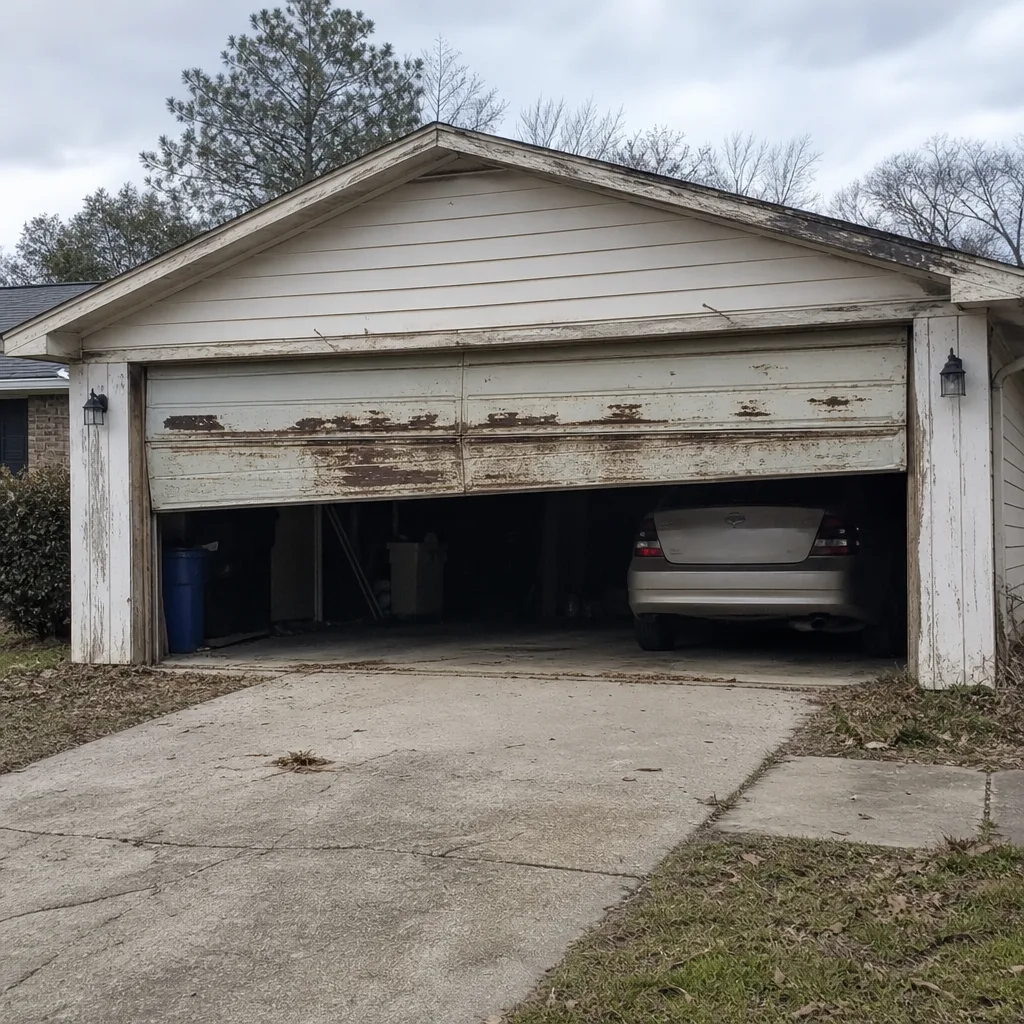 Before
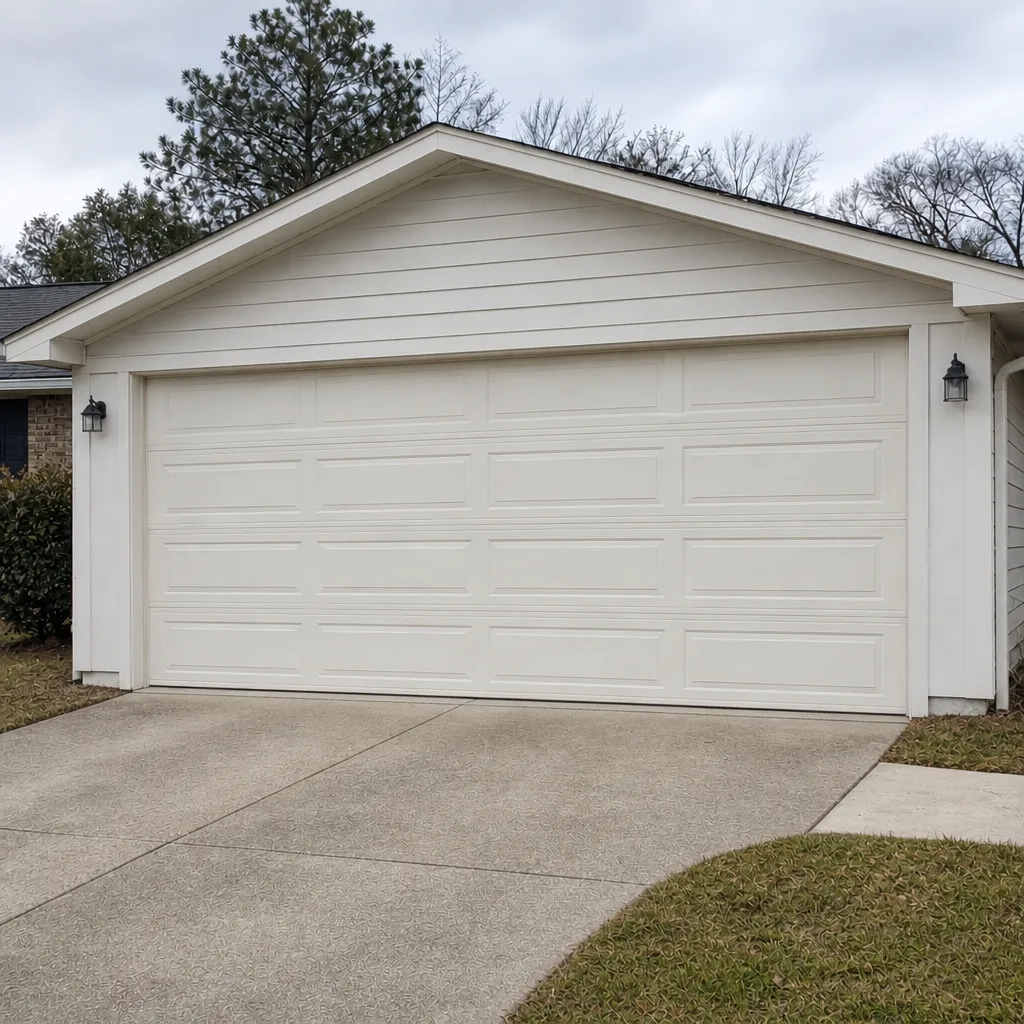 After
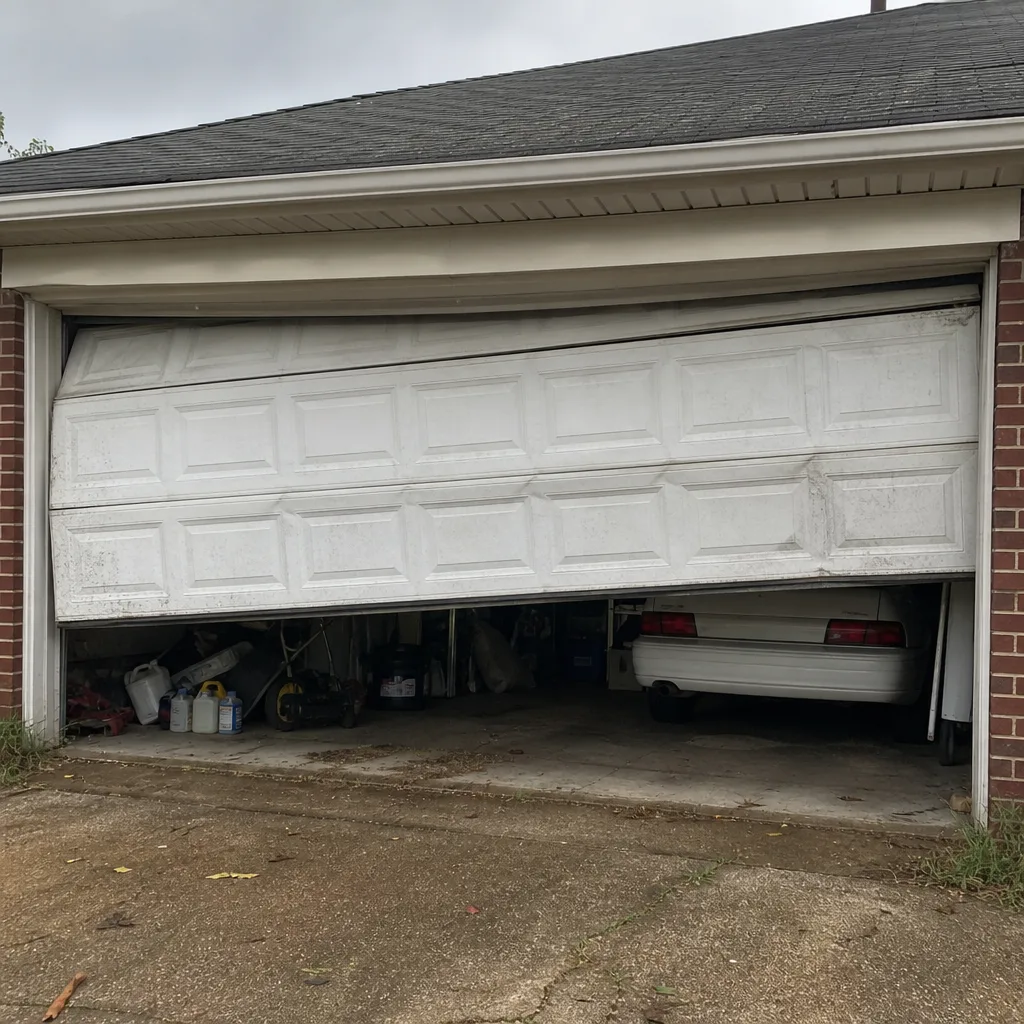 Before
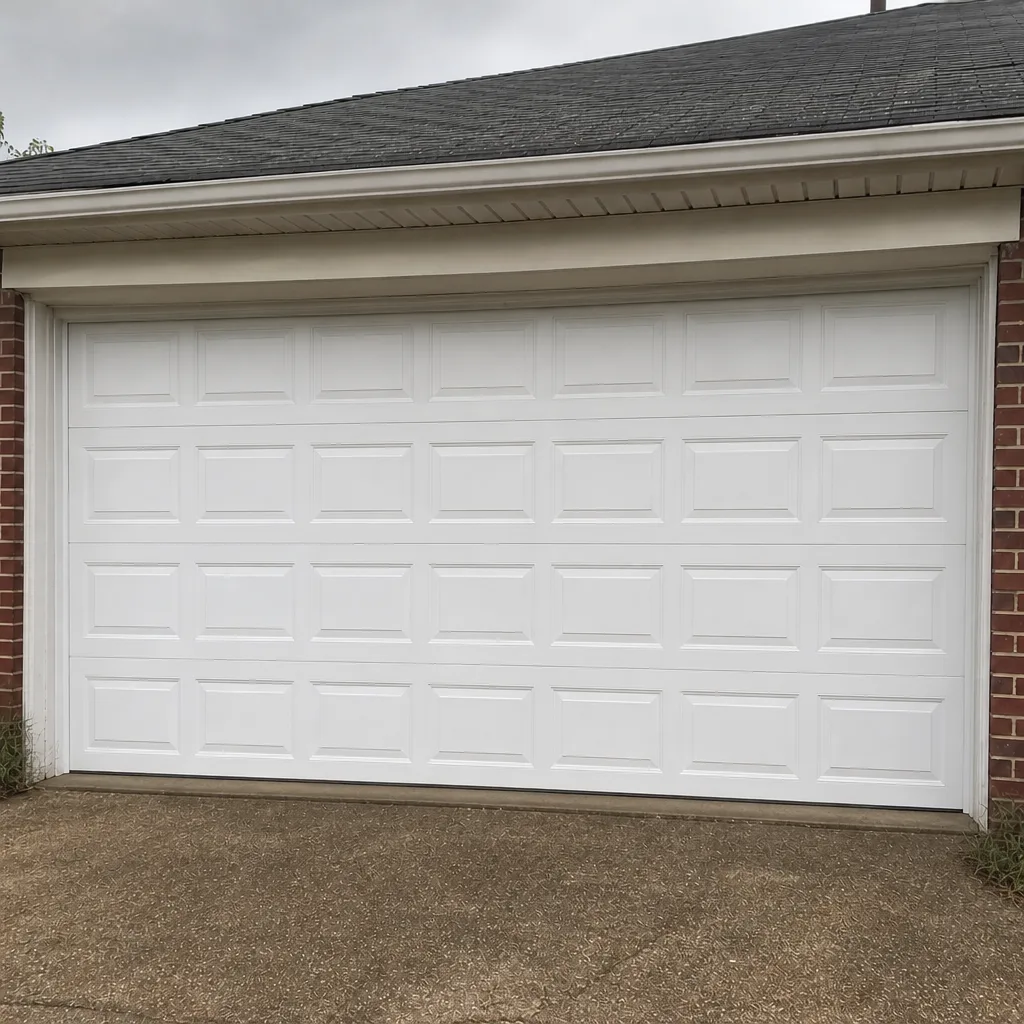 After
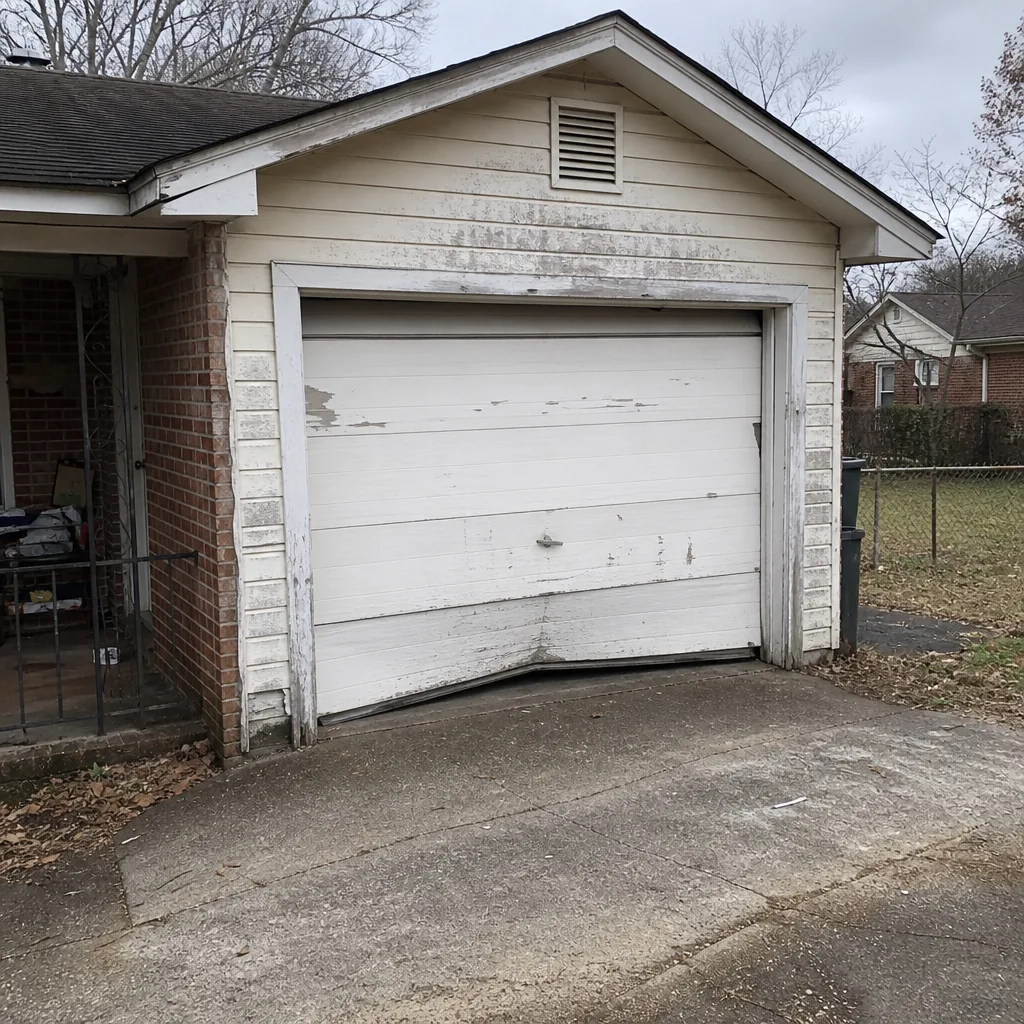 Before
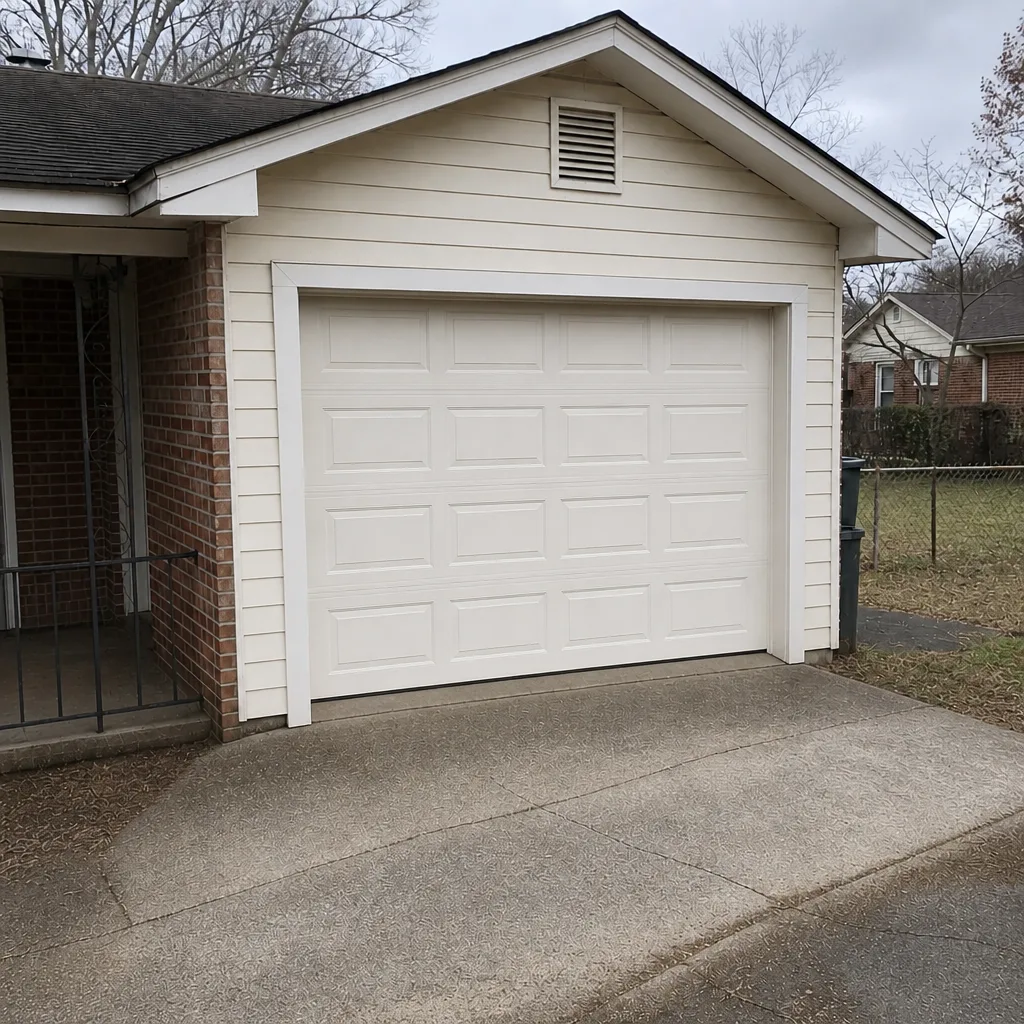 After
When to Call a Professional
Call a professional if the repair involves springs, cables, cable drums, bottom brackets, structural panels, or the electrical side of the opener. Call if the door has come off its track, dropped unexpectedly, or made a loud bang during operation. Call if the door is unbalanced, meaning it doesn’t stay in place when you lift it partway and let go. And call if you’ve already attempted a repair and the door still isn’t behaving, because a re-repair is a different job than a first repair.
Ashby Garage Door Repair offers free estimates in Tuscaloosa. We work on Raynor, LiftMaster, Chamberlain, Genie, Clopay, Amarr, Wayne Dalton, and Craftsman products, and our focus is diagnosis first, so the estimate reflects your door rather than a guess. Call (855) 758-0653. We answer 24/7. Fast dispatch from 7am to 7pm, Sunday through Friday.
Frequently Asked Questions
No. A torsion spring holds enough stored energy to cause serious injury in under a second, and replacing one requires proper winding bars, a precise number of turns, and a balance check afterward. It’s one of the few home repairs where the honest answer is that the risk isn’t worth the savings. Call (855) 758-0653 for a free estimate instead.
Lubrication, sensor alignment, remote and keypad programming, and weatherstripping are all reasonable homeowner tasks. None of them require releasing tension in the door’s spring or cable system, and each can be done with ordinary tools and the owner’s manual. If the problem isn’t on that list, a free estimate is the safer next step.
Disconnect the opener (most openers have a manual release) and lift the door about halfway by hand, then let go. A balanced door stays where you left it. A door that falls or rises on its own is out of balance, and the cause is usually a spring that’s lost tension or was replaced at the wrong size. Don’t operate an unbalanced door with the opener; call (855) 758-0653 and we’ll diagnose it.
It can, particularly if improper workmanship causes damage or injury. Policies vary on workmanship exclusions, so the right answer comes from your agent, not from a website. Keeping receipts and a record of any professional work makes the conversation easier if a claim ever comes up.
Yes. A spring replaced at the wrong tension, a cable that’s been reattached incorrectly, or a track that’s been bent back into place can damage rollers, hinges, panels, or the opener. The follow-up repair then covers both the original problem and the new damage. A free estimate before you start is the cheapest way to avoid that outcome.
Clear the space around the door, pull cars out of the garage, note when the problem started and what it sounds like, and tell the technician what you’ve already tried. If you know your door and opener brand, mention it; we work on Raynor, LiftMaster, Chamberlain, Genie, Clopay, Amarr, Wayne Dalton, and Craftsman products. Call (855) 758-0653 to book a free estimate.
The Bottom Line
The DIY-versus-pro question for garage doors comes down to tension. If the repair doesn’t require releasing or adjusting the spring and cable system, it’s usually within a homeowner’s reach, and doing it yourself saves money. If it does involve that system, the risk is real and the savings are smaller than they look once you count tools, time, and the chance of a more expensive follow-up repair. In Tuscaloosa, that line matters as much as anywhere: a balanced, well-maintained door handles the humidity and temperature swings better, and a professional diagnosis keeps small problems from growing. Handle the simple tasks yourself, call for the rest, and use the free estimate to decide when you’re unsure.
If you’re in Tuscaloosa and you’re not sure which side of the line your repair falls on, call (855) 758-0653 for a free estimate. We answer 24/7. Fast dispatch from 7am to 7pm, Sunday through Friday. Ashby Garage Door Repair specializes in garage doors and nothing else, working on the eight major brands most homeowners already own. If you’d like to learn more about our approach, start with Ashby Garage Door Repair and our service area in Tuscaloosa.
Written by the team at Ashby Garage Door Repair.