
Last updated November 15, 2026
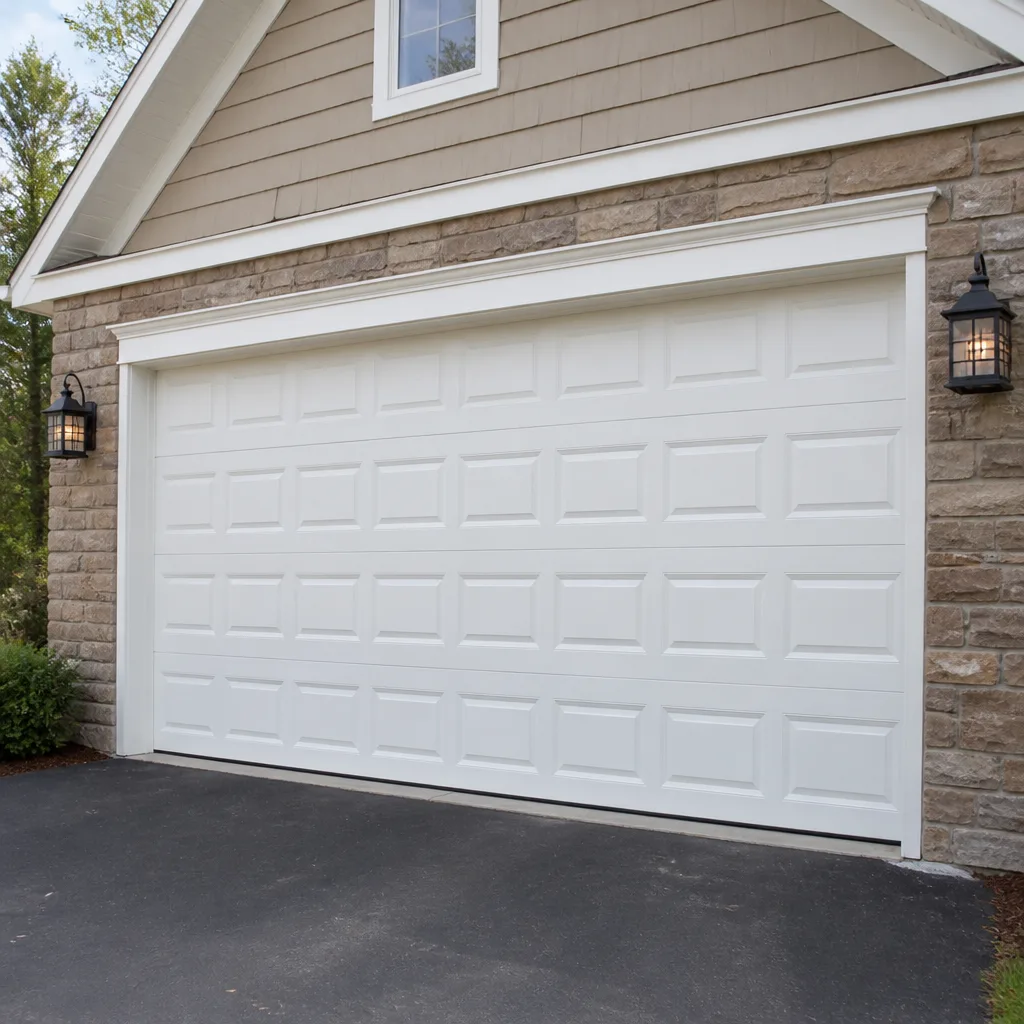 Raised-panel steel
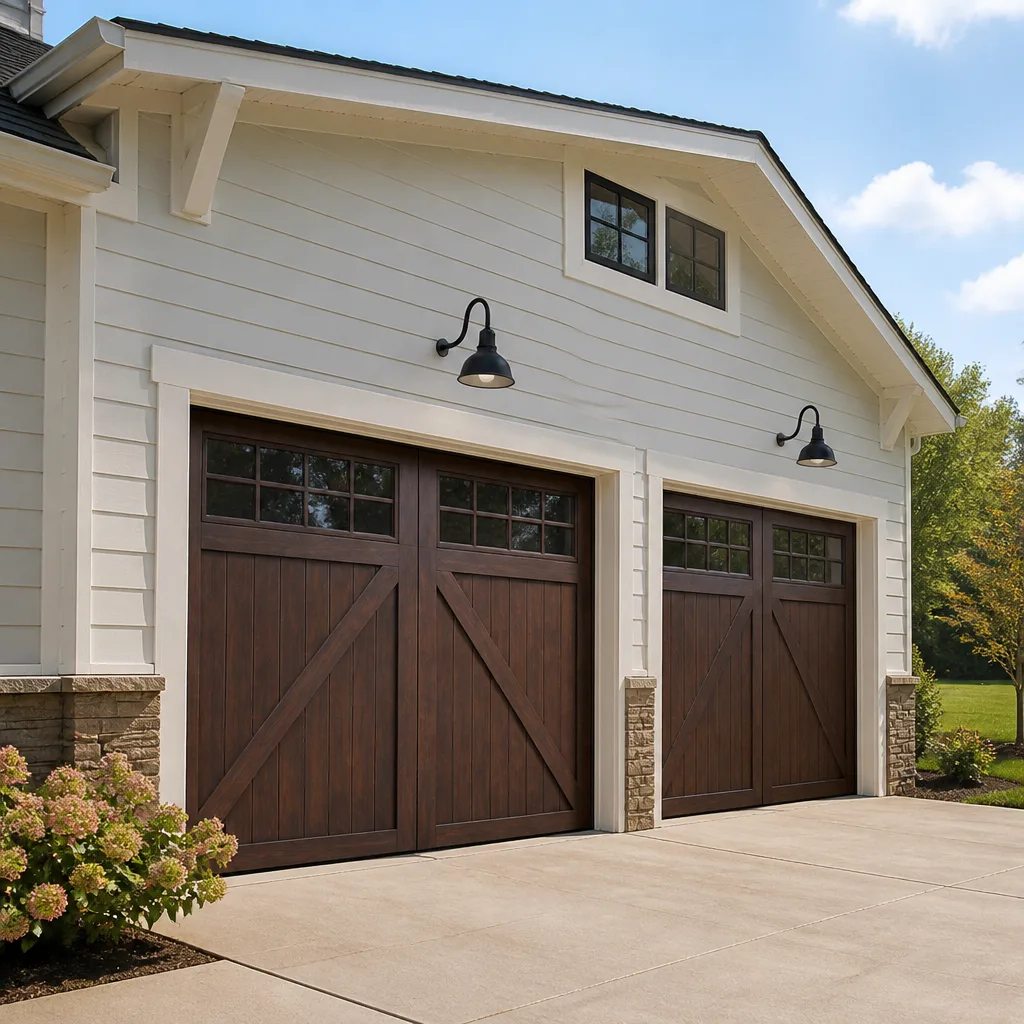 Carriage house
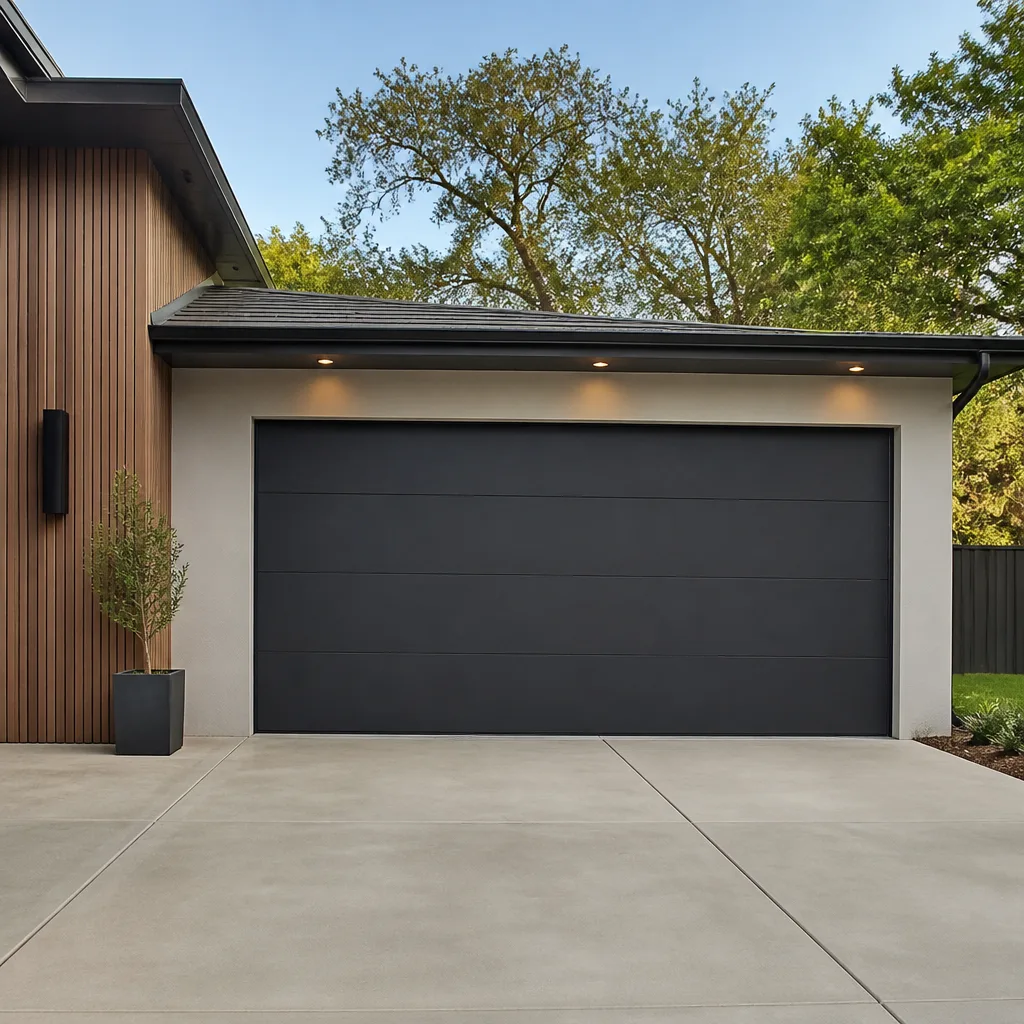 Modern flush
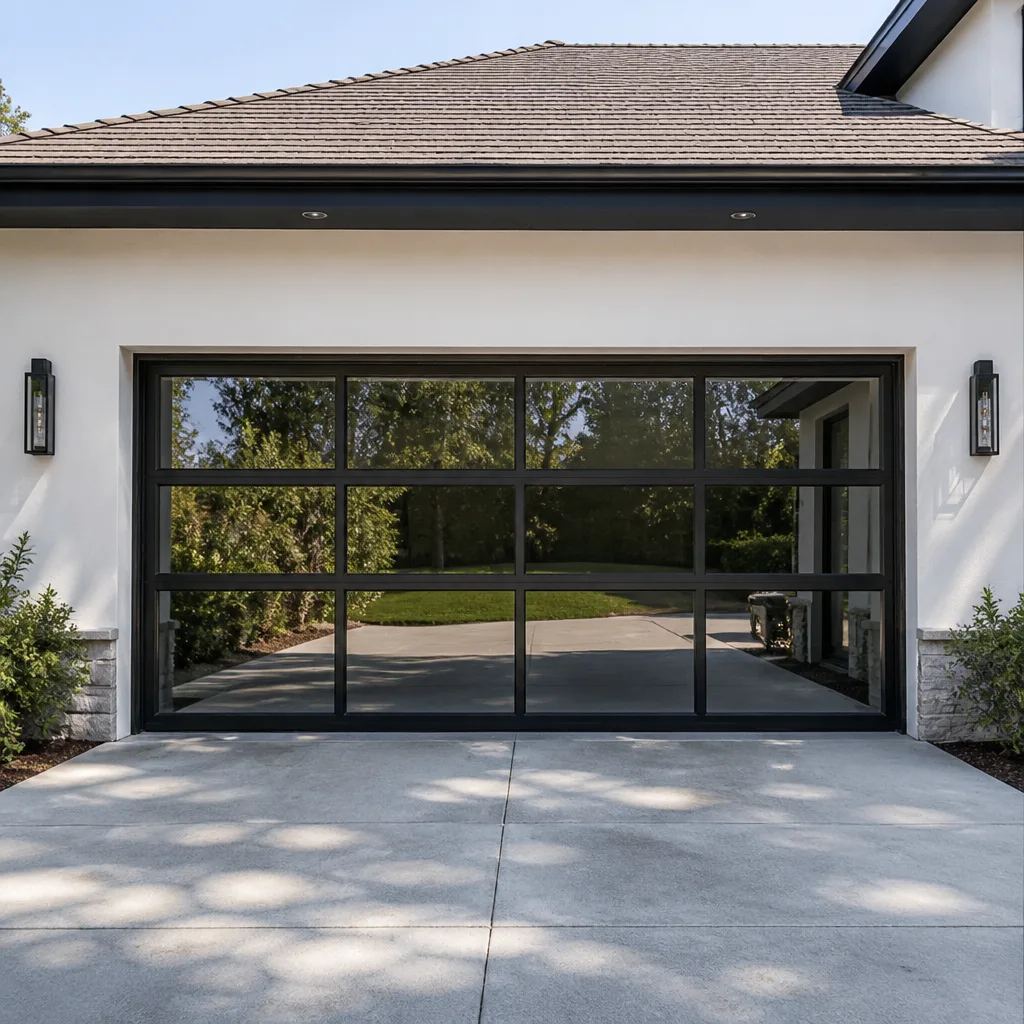 Full-view glass
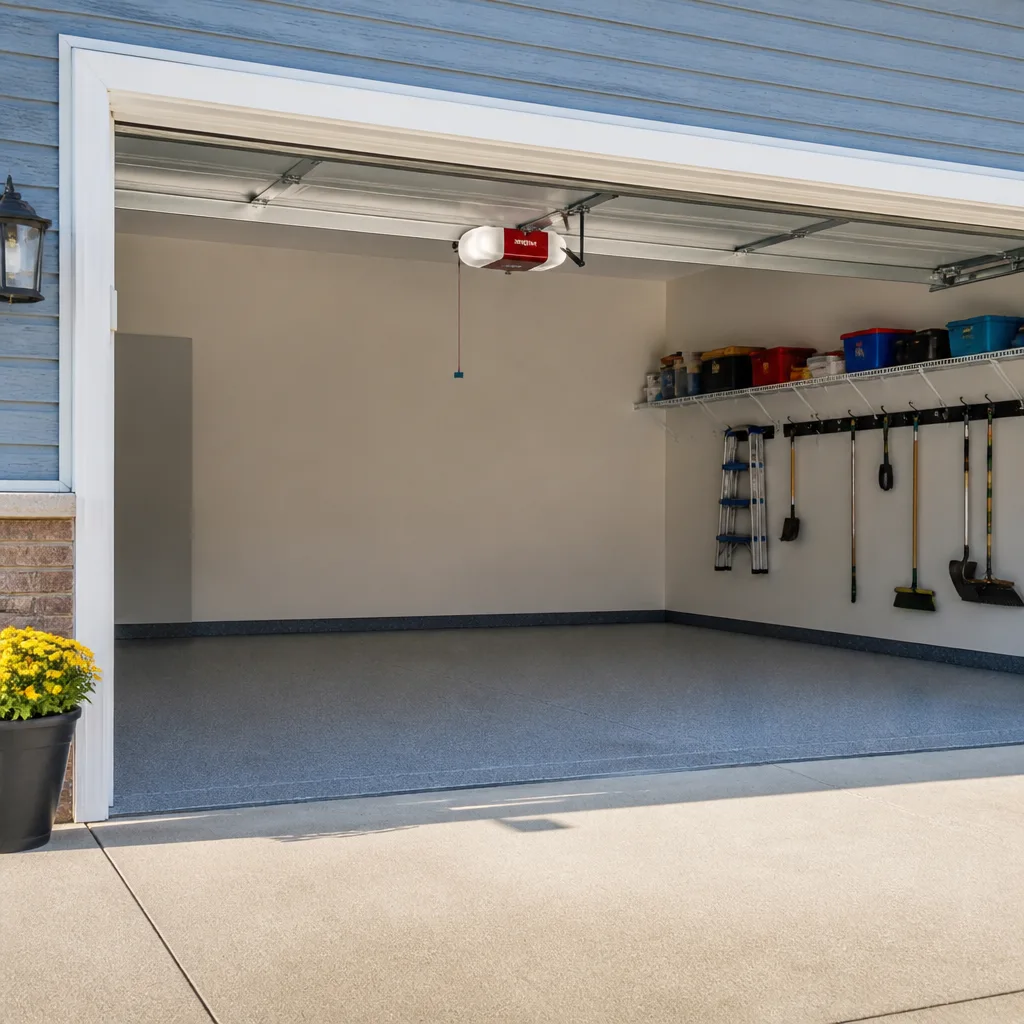 LiftMaster openers
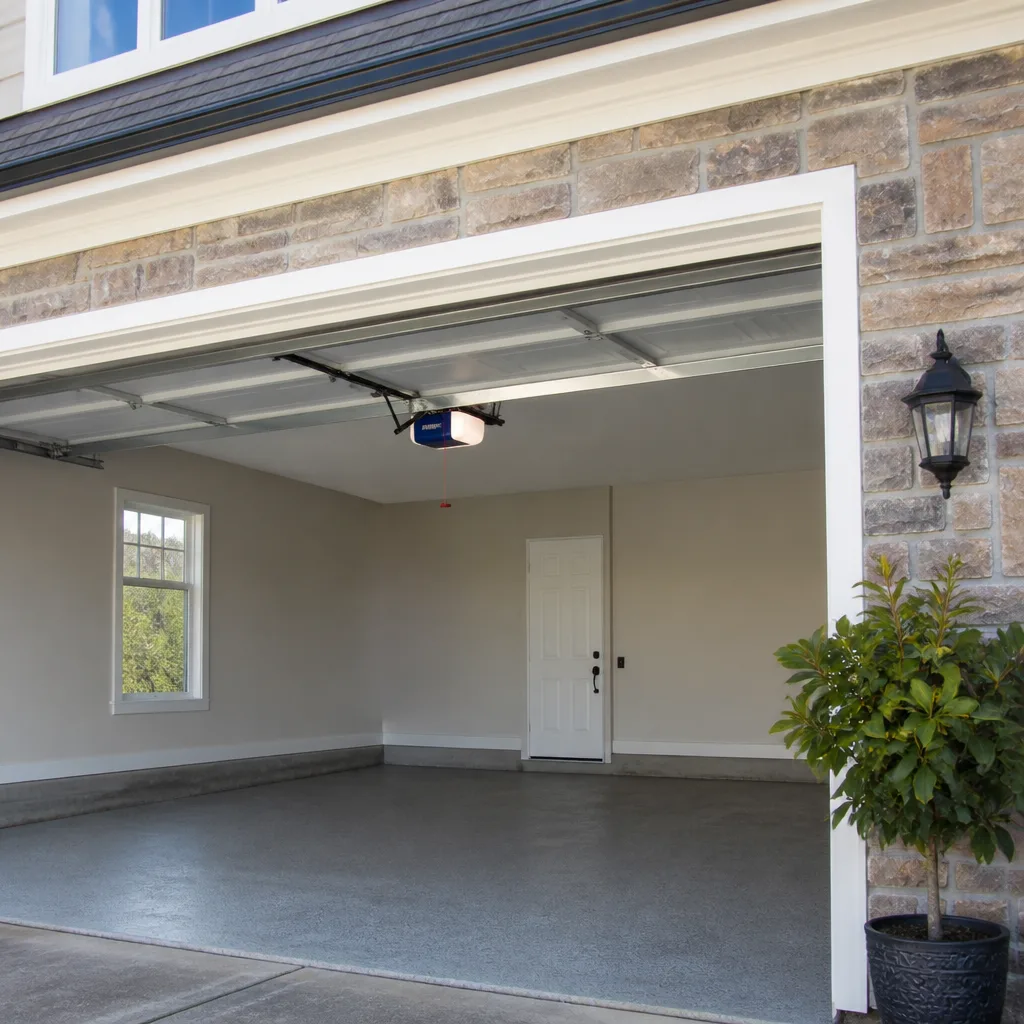 Chamberlain openers
Full 25-point door and opener safety check with every visit - springs, cables, rollers, tracks, and your LiftMaster or Chamberlain opener included
You get a price before we start. It does not change when the pro arrives.
Get your free estimateGarage Door Emergency Preparedness Guide for Tuscaloosa Homes
Most homeowners treat a garage door failure as a nuisance to deal with later. Here’s the counterintuitive part: in a storm, that door often decides how much of your house survives. Tuscaloosa has seen this firsthand. The April 2011 tornado outbreak demonstrated that garage doors are frequently the first point of structural failure in a home, and the updated building codes that followed still don’t require existing doors to be retrofitted. So if your door was installed before those changes, or you’ve never checked it, you may be relying on equipment that was never built for the weather this city gets. This guide covers what to do when the power fails, how to disengage your opener safely, what wind ratings actually mean, how to inspect your door after a storm, and how to secure a damaged opening until help arrives.
Quick Answer
If your garage door fails during a storm, don’t force it. Use the manual release cord only when the door is fully closed, then open or close it by hand and prop it securely. After any severe weather, inspect springs, cables, tracks, and the connection between the door and opener before running it again. If the door is damaged, jammed, or the opener is unresponsive, call a specialist rather than cycling it repeatedly.
Styles & brands we work with
- Raised-panel steel
- Carriage house
- Modern flush
- Full-view glass
- LiftMaster openers
- Chamberlain openers
Table of Contents
- Why Garage Door Preparedness Matters More in Tuscaloosa
- What to Do When the Power Goes Out
- How to Safely Disengage Your Opener
- Wind Load Ratings Explained
- Post-Storm Inspection Protocol
- Securing a Damaged Garage Opening
- Common Mistakes to Avoid
- When to Call a Professional
Why Garage Door Preparedness Matters More in Tuscaloosa
Tuscaloosa sits in a part of Alabama where severe thunderstorms and tornadoes are a real seasonal risk, not a hypothetical one. The April 2011 outbreak left a lasting mark on how this city thinks about wind damage. One of the lessons from that period is that garage doors are structurally significant. They’re the largest opening in most homes, and when wind pressure builds against a door and the door fails inward or outward, the pressure has somewhere to go. That’s the mechanism that turns a door problem into a roof problem.
What surprises a lot of homeowners in Tuscaloosa is that the building codes updated after 2011 apply to new construction. They don’t reach back and retrofit the door that’s already on your house. If you live in an older neighborhood, or bought a home where the door has been there for years, there’s a reasonable chance your door was built to a standard that predates the current wind requirements.
That doesn’t mean every existing door is unsafe. It means the question is worth asking. We service doors from manufacturers like Clopay and Amarr, along with most other major brands, and one thing we consistently find is that homeowners have no idea what wind rating their door carries because it was never printed anywhere they’d look. It’s typically on a label affixed to the door panel, and on older doors that label may be long gone.
The other piece of preparedness that gets ignored is the opener. A garage door that works fine on a calm day can fail under stress simply because the opener is at the end of its life. If your opener is a Chamberlain or Genie that’s been cycling daily for a decade, it’s worth having someone look at it before storm season rather than after.
What to Do When the Power Goes Out
A power outage during a storm leaves you with a garage door that won’t move under its own power and an opener that’s useless until electricity returns. The good news is that every residential opener has a manual release for exactly this situation. The bad news is that most people don’t know where it is until they need it, and they use it wrong under pressure.
Here’s the sequence to follow:
- Confirm the door is fully closed first. This is the single most important step. If the door is open or partially open when you pull the release, the door can come down hard. Springs are under tension, and a door with a weakened spring can drop suddenly.
- Locate the release cord. It hangs from the opener trolley, usually a red handle on a rope. On most LiftMaster and Chamberlain units it’s the red one. On Genie openers it’s often a different color but still hangs from the carriage.
- Pull straight down, not sideways. A firm, even pull disengages the carriage from the chain or belt. If it doesn’t release, don’t yank harder; there may be tension on the carriage that needs relieving by lifting the door slightly first.
- Lift the door slowly by hand. It should open smoothly and stay up on its own if the springs are healthy. If it feels heavy, won’t stay up, or slams down, stop. That’s a spring or cable problem, not a power problem.
- Re-engage the opener carefully. When power returns, close the door fully by hand, then pull the release cord again and let the carriage reconnect, or run the opener once to re-engage it depending on the model.
One point that matters in Tuscaloosa specifically: don’t test the manual release for the first time during an actual storm. Do it on a calm day when you can take your time and see how the door behaves. If the door won’t stay up on its own during that test, you’ve found a spring issue before it became an emergency.
If your door won’t move even with power, the problem is likely the opener rather than the door. That’s a separate diagnosis, and our garage door opener repair service covers exactly that kind of failure.
How to Safely Disengage Your Opener
The manual release is a safety feature, but it’s also where a lot of injuries happen. We’ve seen the aftermath of doors that dropped on hands, feet, and shoulders because someone pulled the cord while the door was up. The release itself isn’t complicated; it’s the conditions people use it in that cause problems.
The safe approach is to understand what the release actually does. It disconnects the door from the opener’s drive mechanism. It does not disable the springs, and it does not make the door lighter. Your door is a balanced system: springs carry most of the weight, and the opener just moves it. When you pull the release, you’re taking over the opener’s job, but the springs are still doing theirs. If those springs are weak or broken, the full weight of the door comes down.
Keep these rules in mind:
- Never pull the release while the door is up. This is the most common mistake and the one most likely to cause injury or damage.
- Never let anyone stand under the door while you’re moving it by hand, especially children.
- Don’t try to hold a heavy door up with your body if it starts to fall. Let it go and step back.
- Keep the release cord out of reach of kids. It’s tempting to grab, and it’s dangerous when the door is in motion.
- If the door feels too heavy to lift, stop. A properly balanced door lifts with one hand and stays where you put it.
For anyone in Tuscaloosa who’s had a close call with a manual release, that’s usually a sign the door needs attention. We diagnose the door and the opener separately so you know which part is actually failing. If you’re not sure what you’re dealing with, a garage door repair appointment will give you a straight answer.
Wind Load Ratings Explained
Standard residential garage doors are built to withstand a certain amount of wind pressure, and that number is expressed as a wind load rating. The confusion for most homeowners is that the number isn’t intuitive, it varies by door width and construction, and it’s not always clearly documented on an older door. A wider door catches more wind, so the same manufacturer may rate a single-car door and a double-car door differently.
What we can tell you with confidence is this: the wind events this part of Alabama sees can exceed what a standard residential door was built for. That’s the reason door manufacturers offer wind-rated options, and it’s the reason building codes in high-wind regions have tightened. If you’re replacing a door, or building new, choosing a wind-rated model is a straightforward upgrade. If you’re keeping your existing door, the question becomes whether the structure around it and the door itself are up to the loads it might face.
Signs you should look at a wind-rated replacement:
- Your door is more than fifteen years old and has no visible wind rating label
- The door has a single central strut or no reinforcement at all
- Your area has seen repeated severe wind events and you’re staying long-term
- The door has been damaged by wind before
- You’re replacing the door anyway, so the incremental cost is worth considering
A wind-rated door isn’t a guarantee against storm damage. It’s a door built to a higher standard, and the standard matters. If you want to know what your options are, a free measure and written estimate will tell you what’s available for your opening size and what the price looks like. For a broader look at what we handle, see Ashby Garage Door Repair.
Post-Storm Inspection Protocol
After a severe weather event passes, your garage door needs a quick but careful look before you resume using it normally. A door that survived the storm can still have a bent track, a stretched spring, or a cable that’s starting to fray. Running it in that condition can turn a small repair into a bigger one, or into an injury.
Work through this in order:
- Look at the door from outside. Check whether the panels are still aligned and whether the door sits flat against the frame. A gap at one side suggests the track has shifted.
- Inspect the tracks. Run your eye down each vertical track. Any bend, kink, or dent means the door may bind. Don’t try to straighten tracks with a hammer; that usually makes it worse.
- Check the springs visually. You’re looking for gaps, broken coils, or a spring that’s hanging loose. Look only. Don’t touch. Garage door springs are under heavy tension and can cause serious injury if they release.
- Inspect the cables. They should be straight and taut. Fraying, slack, or a cable that’s jumped off the drum means the door isn’t safe to operate.
- Check the sensors. The photo-eye sensors near the bottom of the door need to be aligned and clear of debris. Clean them and confirm the indicator lights on both sides are on.
- Test the door by hand first. With the opener disengaged and the door closed, lift it a foot or two. If it’s smooth and stays put, you can try the opener. If it’s heavy or uneven, stop.
- Cycle it once with the opener. Watch and listen. Grinding, popping, or a door that reverses unexpectedly is a reason to stop and call.
A note specific to this area: after a storm in Tuscaloosa, debris in the tracks is common, and a single small branch fragment can throw the door off balance. Clear the tracks before you run the door, and check the area above the door too. If the door won’t close or reverses consistently, there’s a garage door repair page that covers the common causes.
Securing a Damaged Garage Opening
If a storm damages your door and the opening is exposed, the priority is securing the garage before a repair crew can get there. Here’s what to do:
- Don’t stand under a sagging or partially collapsed door. If the door is hanging on one side or the springs are visibly broken, keep everyone clear and don’t try to open or close it.
- Move valuables out of the garage if the opening can’t be closed. Anything that can be carried should go inside the house.
- Block the opening with a temporary barrier. Plywood across the opening, secured to the frame, keeps weather and animals out. If the door is still in the tracks but won’t close, wedging it closed with lumber is often enough for a night.
- Disconnect the opener so nobody accidentally runs it while the door is compromised.
- Don’t try to bend the door back into shape. Bent panels rarely straighten well, and forcing them can damage the tracks and the opener.
Once the opening is secured, call us. We answer 24/7 and can tell you what to expect and what the next step is. Fast dispatch from 7am to 7pm, Sunday through Friday, closed Saturday. If you call when dispatch is closed, we’ll book you into the next available opening. Estimates are free, and the price is agreed before any work starts.
Common Mistakes to Avoid
- Pulling the manual release while the door is up. This is the classic mistake and the one that causes the most injuries. The door can drop without warning. Always close it fully before you pull the cord.
- Running the door after a storm without checking the tracks. A bend that’s minor on inspection becomes a major repair once the opener forces the door against it. Walk the tracks first.
- Ignoring a door that reverses or won’t close. A door that reverses is telling you something is off, whether it’s the sensors, the limit switch, or a binding track. It’s usually a smaller fix if you catch it early.
- Trying to fix springs or cables yourself. These parts are under extreme tension. This isn’t a DIY project, no matter how confident you feel. A trained technician has the right tools and knows how to release tension safely.
- Assuming the opener is the problem. If the door is heavy or binding, the opener is doing more work than it should and may be a symptom rather than the cause. Diagnose the door first.
- Forgetting the sensor alignment after storm debris. Photo-eyes get knocked out of position by debris, and a misaligned sensor will make the door reverse. Check alignment and clean the lenses.
- Not knowing your wind rating. If you don’t know what your door was built for, you can’t make an informed decision about replacement or reinforcement. Look for the label or ask for an assessment.
When to Call a Professional
Some garage door issues are worth a phone call immediately. If a spring is broken, the door is hanging unevenly, the cables are slack or frayed, the door won’t stay up on its own, or the opener runs but the door doesn’t move, stop using it and call. These are the failure modes where continuing to operate the door can cause injury or turn a repairable problem into a full replacement.
Call us if:
- The door is jammed or won’t open or close
- A spring or cable has visibly failed
- The door is off its tracks or leaning
- The opener is grinding, humming without moving, or repeatedly reversing
- You’re not sure whether it’s the door or the opener and you’d rather not guess
Ashby Garage Door Repair offers free estimates in Tuscaloosa. Call (855) 758-0653. We answer 24/7, and crews are dispatched Sunday through Friday, 7am to 7pm, closed Saturday.
See the difference
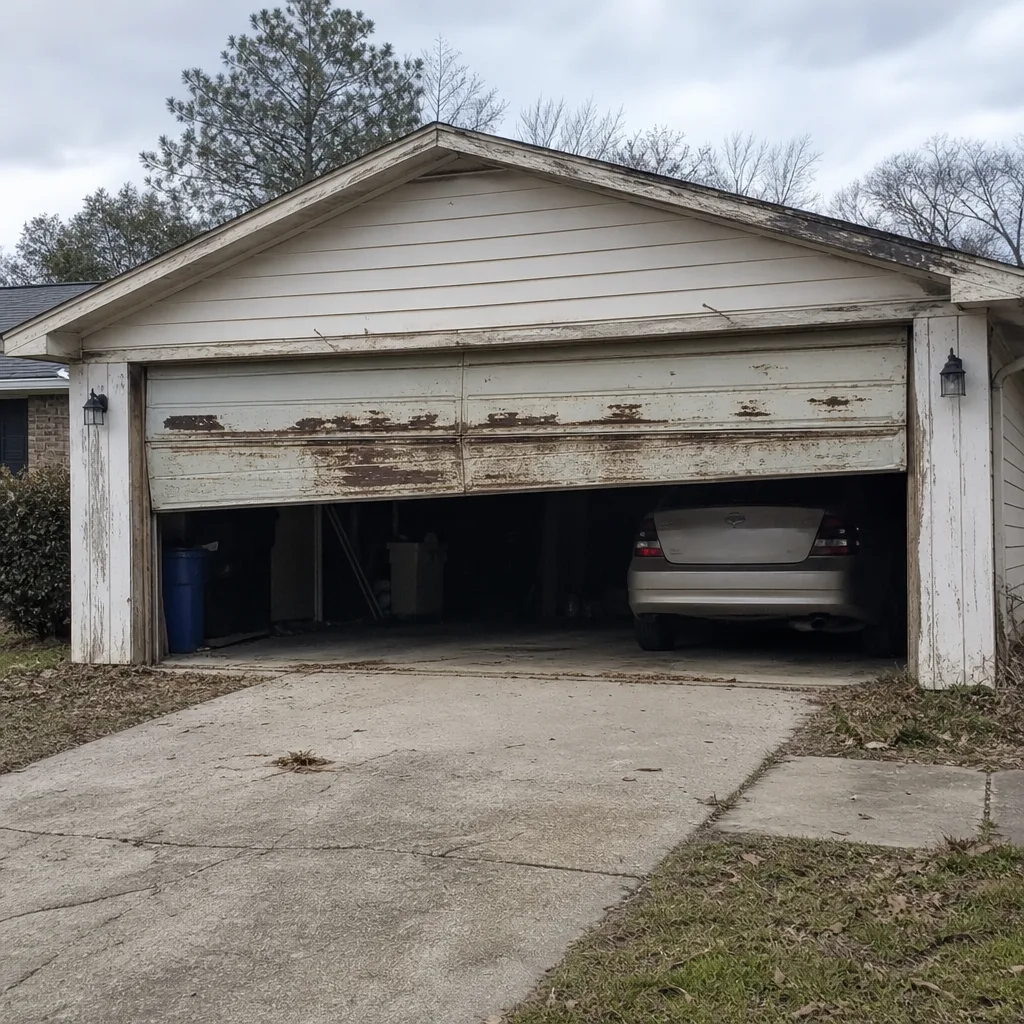 Before
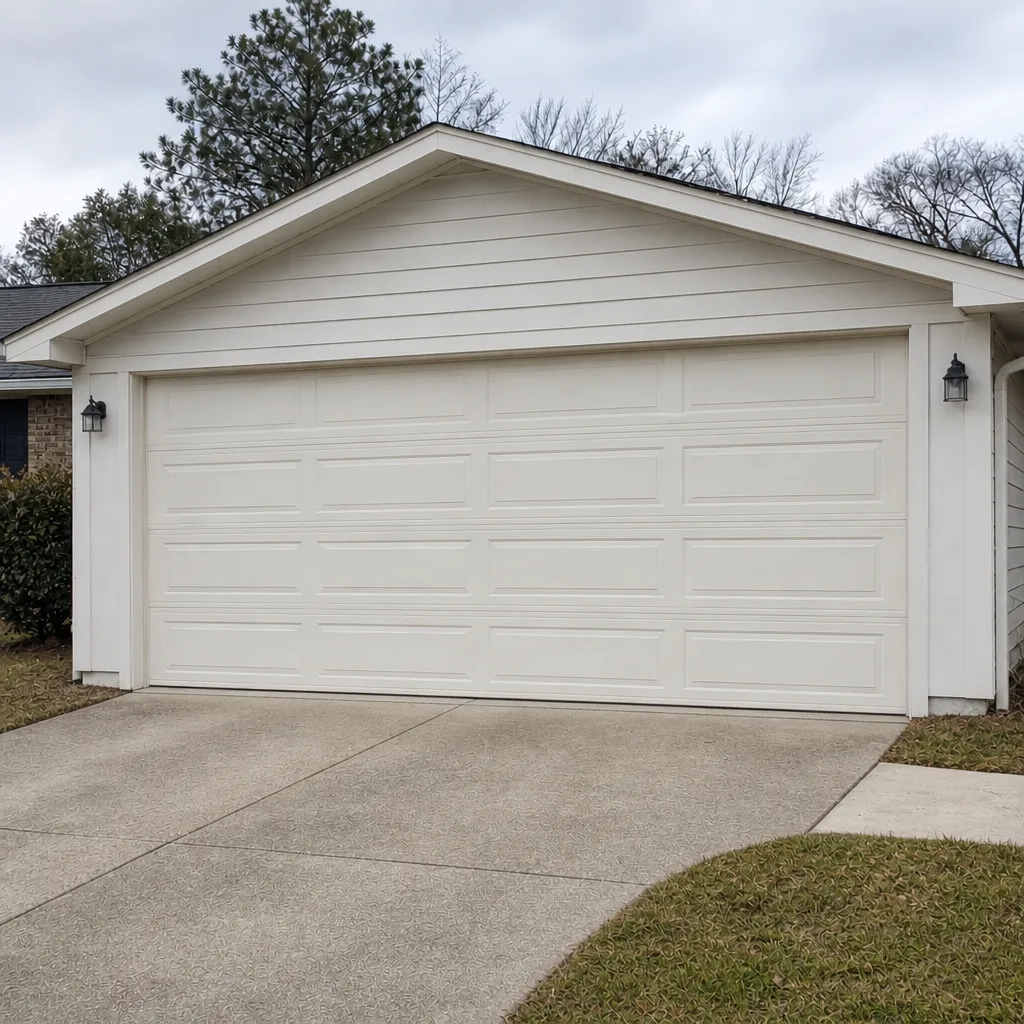 After
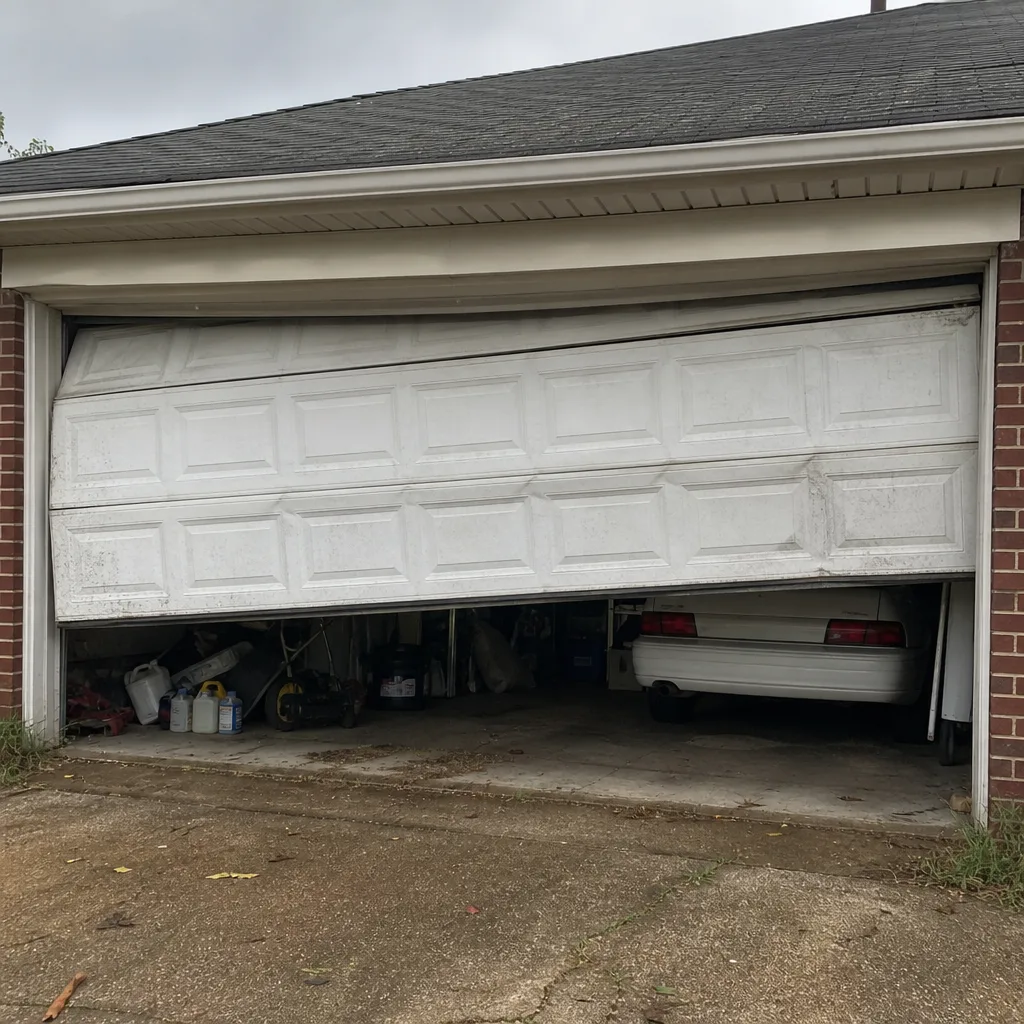 Before
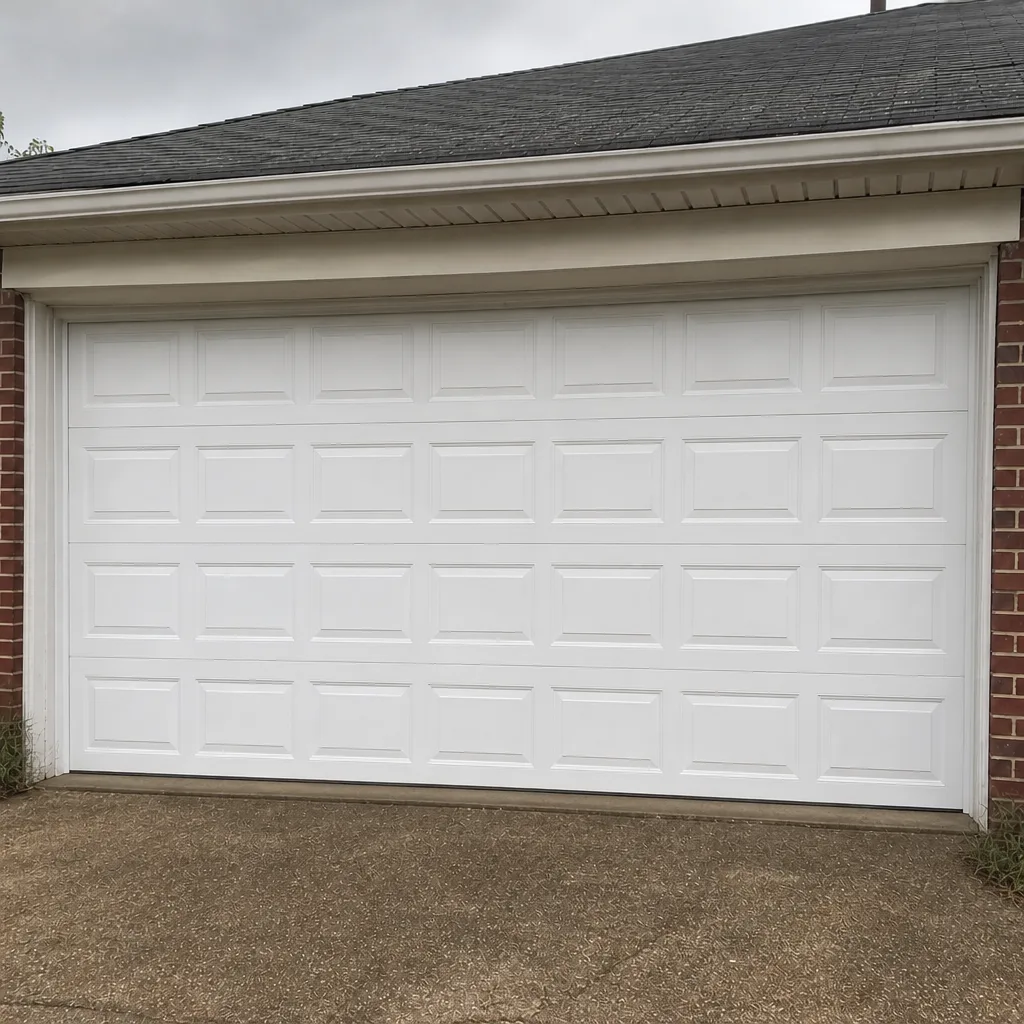 After
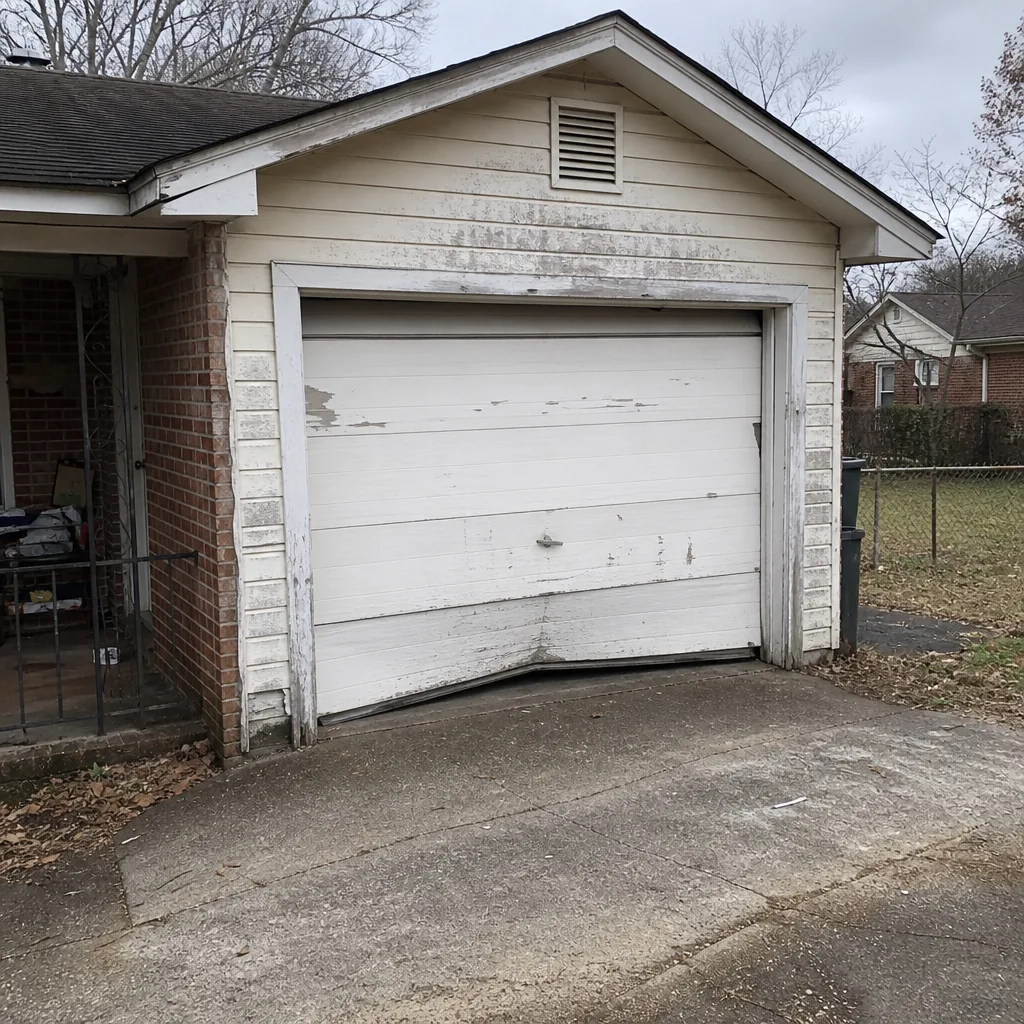 Before
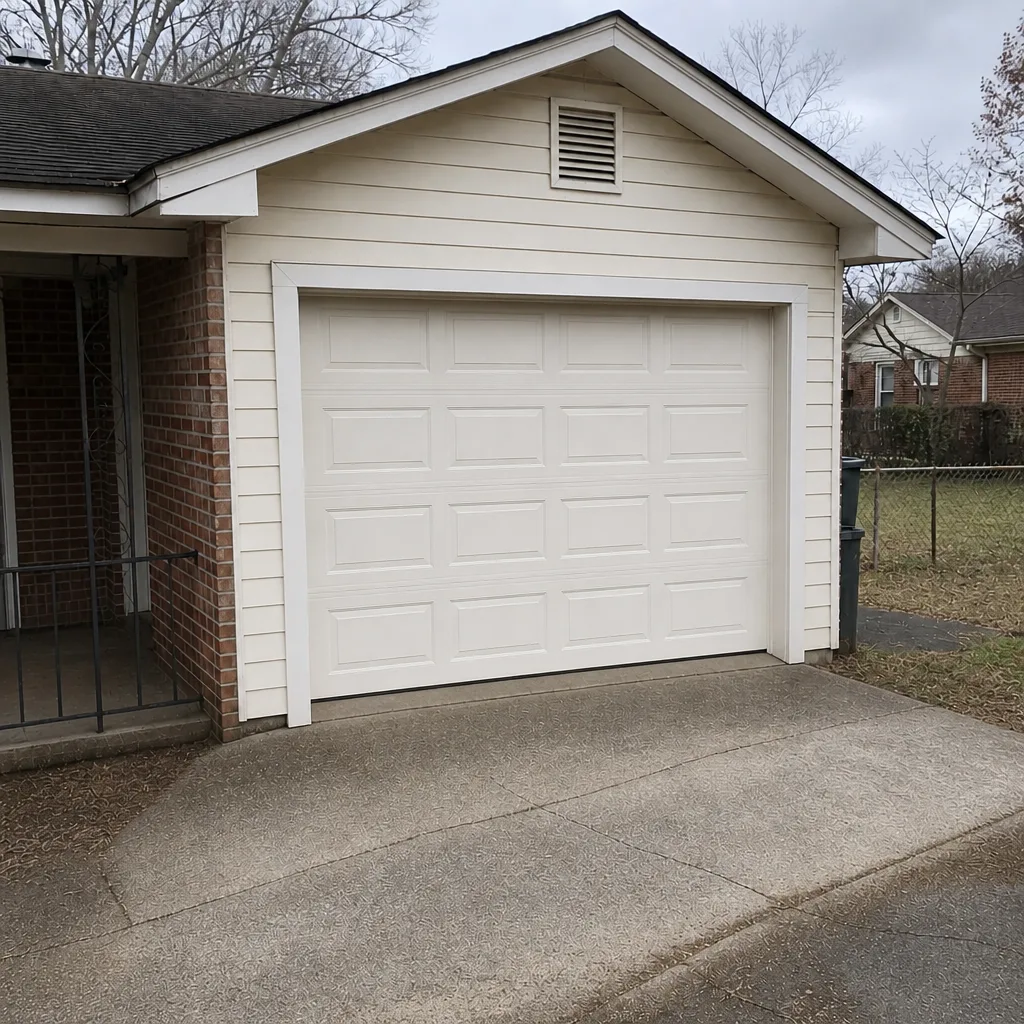 After
Frequently Asked Questions
Close the door fully first, then pull the manual release cord hanging from the opener trolley, and lift the door by hand. Never pull the release while the door is open; it can drop. If the door feels heavy or won’t stay up, stop and call for service.
Yes. Wind events can bend tracks, stretch springs, and shift panels without obvious exterior damage. Run through the post-storm inspection steps before resuming normal use, and call if anything looks or sounds wrong. Call (855) 758-0653 for an assessment, with free estimates.
That depends on your door’s width, construction, and whether it was built to a current wind standard. Many existing doors in Tuscaloosa were installed before current code requirements and may not carry a wind rating at all. The label on the door or a professional assessment will tell you what you have.
That’s a question for your insurer. What we can do is document the damage and provide a written estimate you can submit. We work with a range of manufacturers, including Amarr and Clopay, so replacement options are available if repair isn’t practical.
Many repairs can be handled same day. Call (855) 758-0653. We answer 24/7, and fast dispatch runs 7am to 7pm, Sunday through Friday, closed Saturday. A call outside dispatch hours is booked into the next opening.
Minor damage, like a bent track or misaligned sensor, is usually repairable. Severe panel damage, a twisted frame, or repeated failures on an older door often make replacement the better value. A written estimate will lay out both options so you can decide.
The Bottom Line
The core lessons here are simple. Know how your manual release works before a storm, and never use it with the door open. Check your door after every severe weather event, starting with the tracks, springs, and sensors. Understand that most existing doors in Tuscaloosa were built to older standards, and if you don’t know your wind rating, it’s worth finding out. And when something is broken, jammed, or unsafe to operate, call a specialist rather than working through it. Most of what we see could have been prevented with a five-minute check after the storm passed.
If you need help, call Ashby Garage Door Repair at (855) 758-0653 for a free estimate. We answer 24/7 and dispatch Sunday through Friday, 7am to 7pm, closed Saturday. We serve homeowners in Tuscaloosa and the surrounding area, work on eight major brands, and diagnose first so you’re not paying for parts you don’t need.
Written by the team at Ashby Garage Door Repair.