
Last updated November 15, 2026
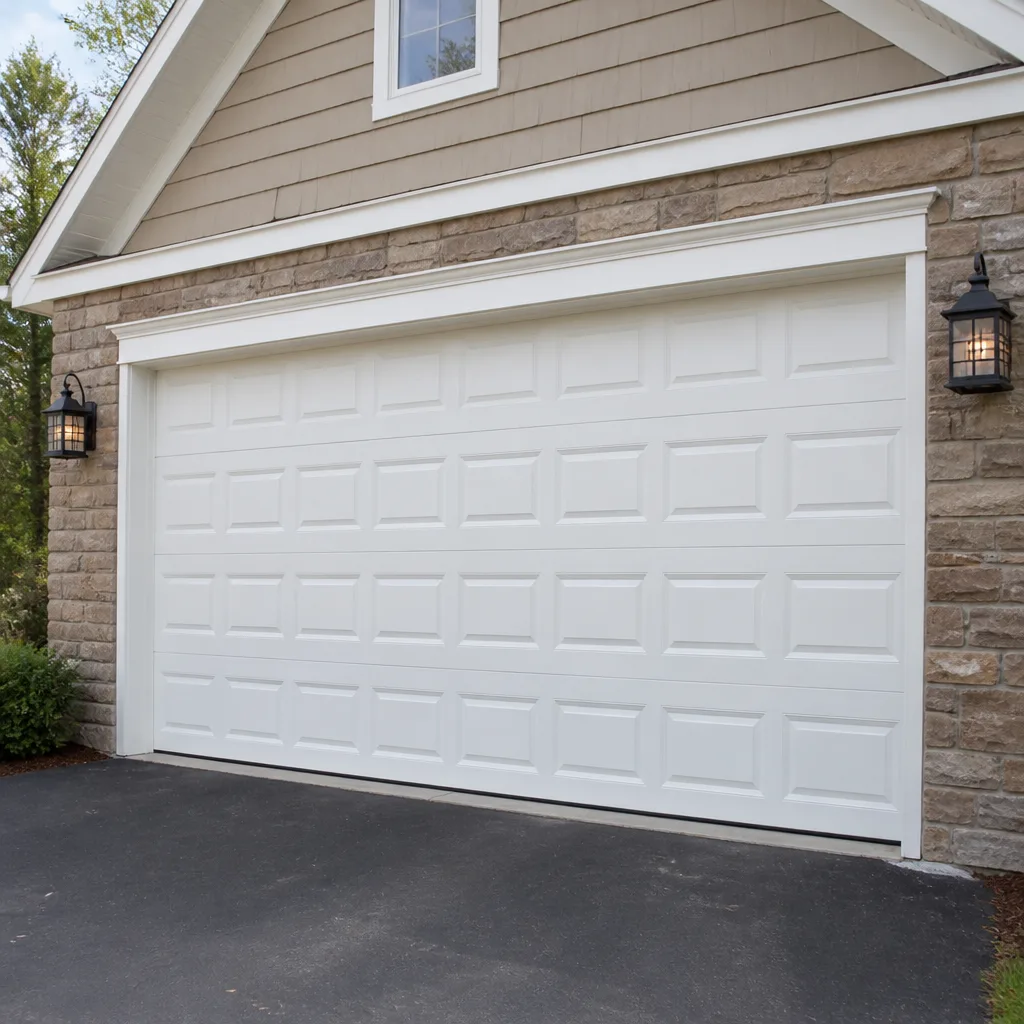 Raised-panel steel
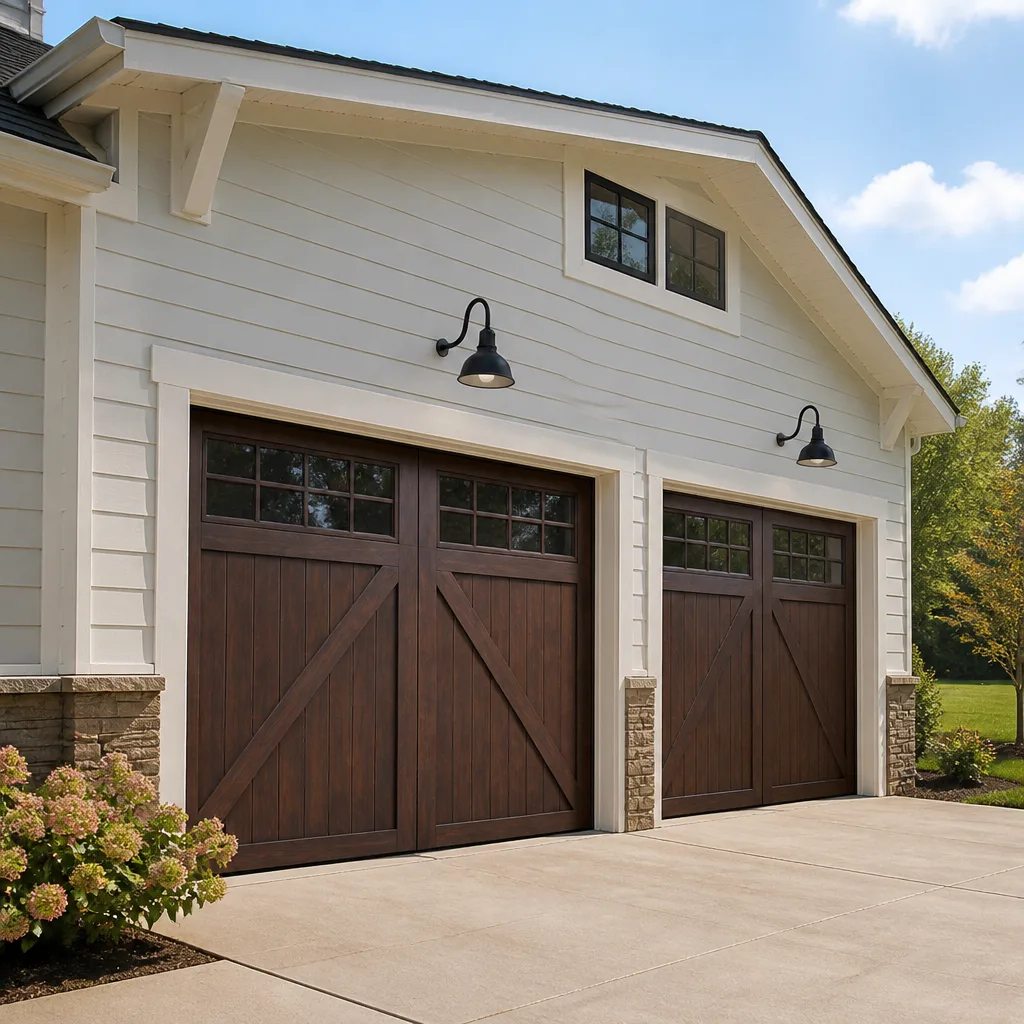 Carriage house
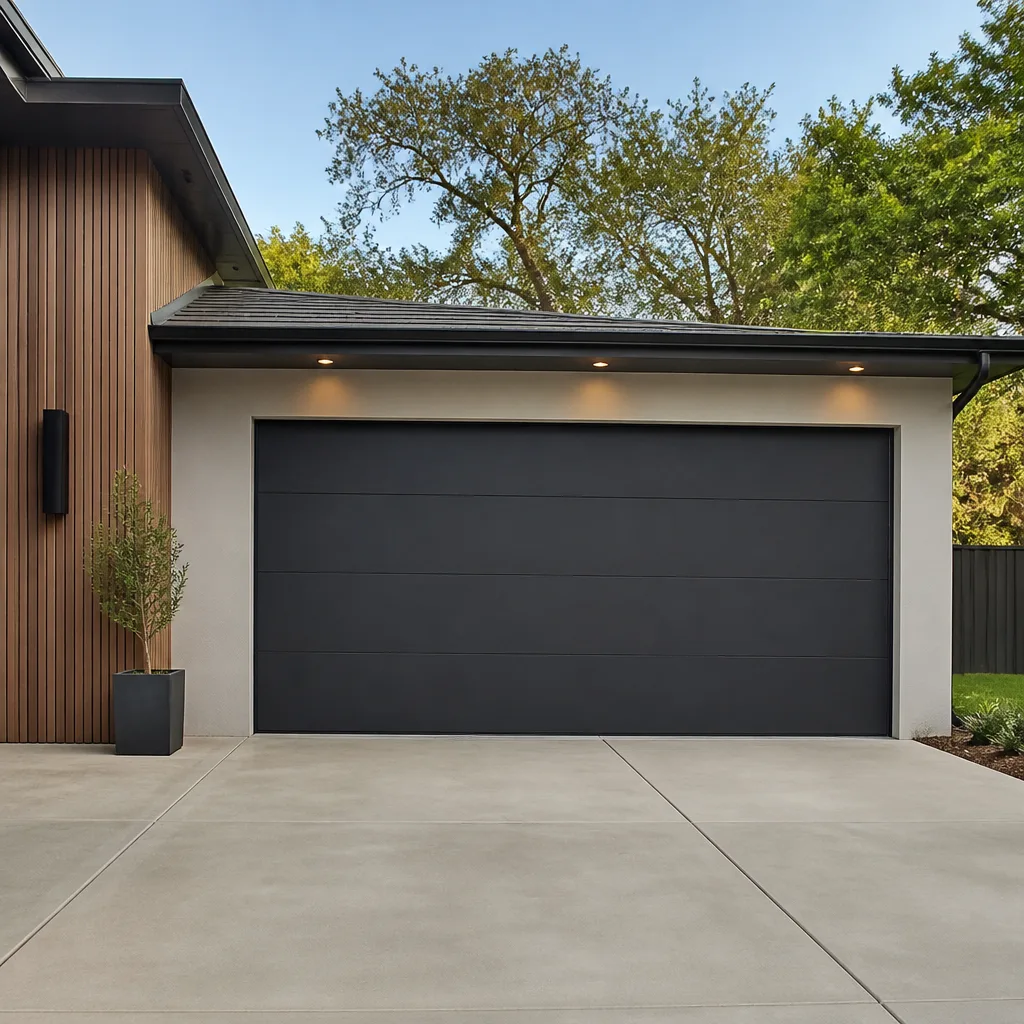 Modern flush
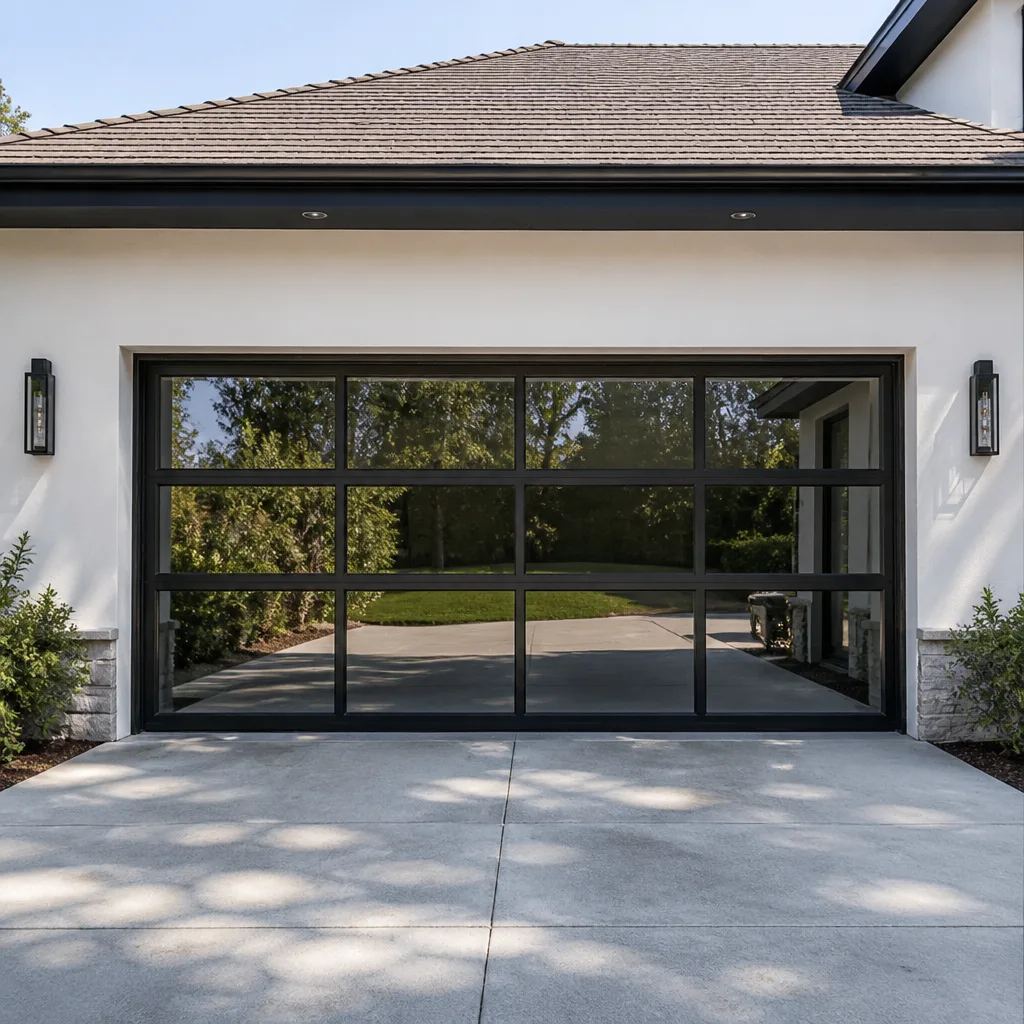 Full-view glass
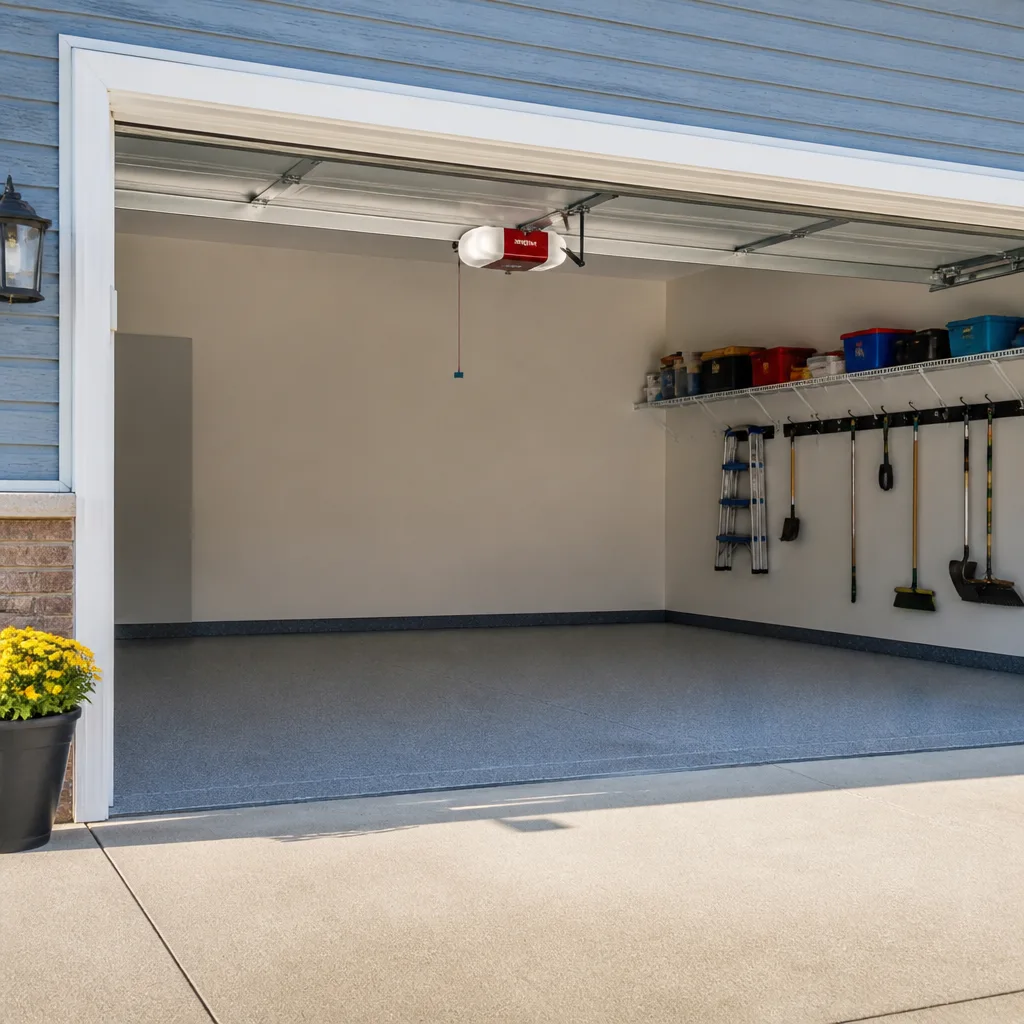 LiftMaster openers
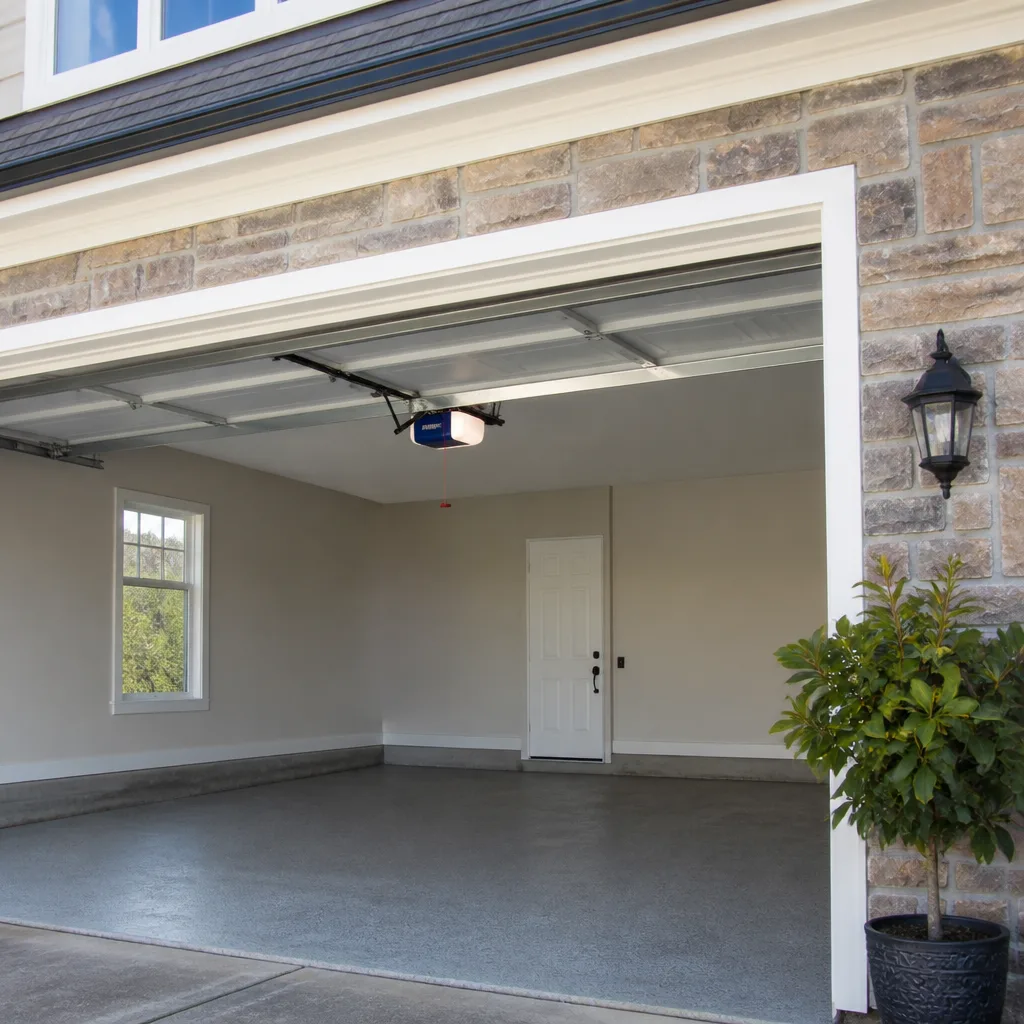 Chamberlain openers
Full 25-point door and opener safety check with every visit - springs, cables, rollers, tracks, and your LiftMaster or Chamberlain opener included
You get a price before we start. It does not change when the pro arrives.
Get your free estimateThe Complete Guide to Garage Doors in Tuscaloosa
Most garage door advice you’ll find online is written for a national audience that doesn’t exist. It describes a climate that’s too dry, housing stock that’s too new, and hardware that hasn’t spent years fighting humidity. Tuscaloosa isn’t that place. Here, a garage door works harder than the same door in Arizona or Colorado, and the failures we see most often trace back to moisture, heat, and storm season rather than simple old age. This guide covers what actually wears out on Tuscaloosa doors, which materials hold up in Alabama weather, how to read a door’s real condition instead of its surface appearance, and when a repair job is genuinely beyond a homeowner’s reach. Whether you’re nursing an aging door through another summer or planning a replacement, you’ll finish with a clearer picture of what you’re dealing with.
Quick Answer
Garage doors in Tuscaloosa fail faster than in drier markets because high humidity, heat, and frequent storms accelerate wear on springs, cables, and bottom seals. The most common problems we see are corroded springs, frayed lift cables, water-damaged bottom seals, and openers straining against doors that are out of balance. A garage door specialist can diagnose the real cause in a single visit, and repairs typically cost far less than homeowners expect once the actual failure point is identified.
Styles & brands we work with
- Raised-panel steel
- Carriage house
- Modern flush
- Full-view glass
- LiftMaster openers
- Chamberlain openers
Table of Contents
- How Tuscaloosa’s Climate Wears Down Garage Doors
- What Tuscaloosa’s Housing Stock Tells You About Door Problems
- Which Materials Hold Up Best in Alabama Weather
- How to Read a Garage Door’s Actual Condition
- Springs and Cables: The Parts That Fail First
- Openers: The Most Common Failure Point
- What a Garage Door Specialist Handles That a Handyman Doesn’t
- Repair or Replace? A Guide for Older Tuscaloosa Doors
How Tuscaloosa’s Climate Wears Down Garage Doors
Tuscaloosa averages over 55 inches of rain per year, nearly 15 inches more than the national average, and that moisture is quietly working on garage door components in homes across the city right now. Moisture is the single biggest driver of premature garage door failure in Tuscaloosa. It gets into places homeowners never think to check: the cable drums, the hinges, the bottom bracket, the steel skin along the bottom panel where water sits after a storm.
What moisture actually does to a door:
- Springs corrode from the inside out. Torsion springs are under constant tension. Once rust pits the wire surface, the coil weakens unevenly and snaps without much warning. A door that’s only a few years old can lose a spring in Tuscaloosa where it would last longer in a dry climate.
- Cables fray and bind. Steel lift cables rust at the drums and along their length, and a frayed cable can jump the drum and drop a door. This is one of the most common failures we diagnose in the area.
- Bottom seals break down. The rubber or vinyl weather seal along the bottom of the door takes direct water exposure on every storm. Once it hardens and cracks, water enters the garage, and pests follow.
- Wood and composite panels swell. Any door with wood or composite components absorbs humidity, and swollen panels can bind against the frame.
- Openers strain against out-of-balance doors. When a door stops moving freely, the opener motor works harder every cycle. Heat compounds the problem, and the motor or gear assembly wears out early.
Heat matters too. Tuscaloosa summers push garage interior temperatures well above outdoor air, and that baked-in heat breaks down lubricant on rollers, hinges, and springs. A garage door that ran quietly in April often starts complaining by August. The combination of moisture and heat is what makes Alabama such a punishing environment for hardware designed to last decades in milder conditions.
Tornado season adds another layer of stress. Alabama sits in one of the most active severe-weather corridors in the country, and a garage door is often the largest opening on a home. Wind-driven rain and debris can flex door panels, knock tracks out of alignment, and stress the anchoring of the whole system. After a storm system moves through, it pays to walk around the door and look for panels that no longer sit flush, tracks that have bent, or gaps at the bottom seal.
What Tuscaloosa’s Housing Stock Tells You About Door Problems
Tuscaloosa has a wide spread of construction eras, and each one produces its own predictable set of garage door issues. When we pull up to a home, the era of the build tells us a lot about which components are most likely to fail first.
Older single-car and small two-car garages (mid-century builds and earlier). These doors are often narrow, heavy, and built with hardware that’s been cycled thousands of times. Common problems: worn rollers that bind in the track, original hinges with frozen pins, and single-spring setups that are working well past their expected life. Many of these doors use extension springs rather than torsion, and when extension springs snap, they can be genuinely dangerous without proper containment. Tracks from these eras are often thinner-gauge steel that bends easily.
1970s through 1990s subdivisions. This is the bulk of the Tuscaloosa door inventory. Two-car doors, steel construction, torsion springs, and original chain-drive openers in many homes. The most frequent failures: torsion spring breakage, opener gear wear, and bottom seal degradation from years of rain exposure. If a door in this vintage has never had its springs replaced, it’s living on borrowed time.
Newer construction and recent builds. Doors in these homes are usually well-sealed and structurally sound, but they’re not immune. The failures tend to be opener-related, supplier-grade hardware that wears prematurely, and installation issues that don’t show up until the door has cycled a few thousand times. A door that was slightly out of balance at install will wear its opener and springs faster than it should.
In every era, we check balance first. An out-of-balance door tells you the springs are wearing unevenly, and it puts constant stress on the opener. A quick balance check is something any homeowner can do, and we cover it below.
Which Materials Hold Up Best in Alabama Weather
Material choice is the biggest variable in how a garage door survives a Tuscaloosa summer. The right material won’t just last longer; it will hold its finish, resist warping, and keep its seal tighter through repeated rain cycles. Here’s how the main options compare for Alabama conditions.
Steel is the workhorse. Steel doors are the most widely installed type in the Tuscaloosa market, and the reason is simple: they hold up structurally and they’re affordable. The key is the finish. A quality steel door with a good factory paint system resists moisture well, but the bottom panel is where water attacks first. If the paint is chipped or the panel seam is exposed, rust will start. Steel is the best combination of durability and cost for most homeowners here. Brands like Clopay and Amarr make steel doors in a range that includes insulated options, which also help keep the garage cooler in summer.
Wood and wood composite are the highest-maintenance options in Tuscaloosa. Wood looks beautiful, and it can last decades if properly maintained. But humidity and frequent rain mean wood in this climate needs regular sealing, painting, and inspection. A neglected wood door will swell, warp, crack, and bind in its tracks. If you love the look, do it with eyes open and plan on annual maintenance.
Fiberglass is underrated for Alabama weather. Fiberglass doors resist moisture, don’t rust, and hold paint well without the swelling issues wood has. They’re lighter than steel, which reduces strain on the opener and spring system. The trade-off is a higher upfront price and less dent resistance than steel. For a homeowner who wants low maintenance and doesn’t need heavy impact strength, fiberglass is worth a serious look.
Aluminum is an option, but it’s less common for residential doors in this area. It resists corrosion well but can dent more easily than steel and doesn’t insulate as effectively unless fitted with a robust core. For most Tuscaloosa homes, steel and fiberglass are the practical picks.
A note on insulation: an insulated door helps moderate garage temperature, which indirectly reduces the heat cycling on your hardware. For attached garages, especially in homes where a bedroom sits above the garage, an insulated door is worth the extra cost. Whatever material you choose, the seal and hardware are what determine longevity. A high-quality door with cheap hardware won’t outlast a mid-grade door with good hardware.
How to Read a Garage Door’s Actual Condition
Surface appearance tells you almost nothing. A door that looks clean can have a spring weeks from snapping, and a door that looks worn can have years of life left. These are the checks most homeowners never make, and they’re the ones that actually predict failure.
Work through this in order:
- The balance test. Disconnect the opener with the release handle, lift the door by hand to about halfway, and let go. A balanced door should stay roughly where you let it go. If it slams down, the springs are losing tension. If it drifts up, the springs are set too tight. Never do this on a door with a visibly broken spring.
- Listen to the cycle. Stand in the garage and run the door up and down. A healthy door is quiet and steady. Grinding, squealing, popping, or a door that shudders tells you exactly where to look: rollers, hinges, or the track.
- Look at the springs. Check for visible rust, a visible gap in the coil, or a spring that looks physically shorter or sagging compared to its neighbors. Any of these means it’s time for a professional look.
- Inspect the cables. Look for fraying, kinks, or cable that’s jumped off the drum. A frayed cable is a stop-using-the-door signal. Do not touch a cable under tension.
- Run your hand along the bottom seal. It should be soft and flexible, not hard, cracked, or missing chunks. Water damage here is the most predictable problem in Tuscaloosa.
- Check the panels for flex. Press gently in the center of each panel. A door that flexes noticeably may have a structural problem, especially after a storm season.
- Test the safety reverse. Put a roll of paper towels on the floor in the door’s path and run the door closed. It should reverse on contact. If it doesn’t, stop using the door and get it looked at. This is a safety issue, not a convenience one.
If any of those checks fail, write down what you found and describe it when you call. It helps a technician bring the right parts and get it right the first time. If a spring is broken or a cable is frayed, don’t run the door. Those components are under extreme tension and a failure can cause serious injury. Even experienced homeowners should not attempt to remove, loosen, or adjust a torsion spring or a lift cable; that’s a job for a trained technician with the right winding bars and the knowledge to use them safely.
Springs and Cables: The Parts That Fail First
If you had to bet on what will eventually stop a garage door in Tuscaloosa, bet on the springs. A torsion spring cycles every time the door opens and closes, and in this humidity, the steel wire inside the coil corrodes. That corrosion is the difference between a spring that lasts many years and one that snaps early. The cable system is close behind; cable drums rust, cables fray, and a door can drop if a cable lets go.
What homeowners should know:
- Springs are rated by cycle count. Standard springs are rated for a set number of open-and-close cycles. Higher-cycle springs cost more but last considerably longer, which matters in a climate that shortens spring life. If your door gets heavy daily use, upgrading the spring rating is one of the smartest maintenance moves you can make.
- A pair usually fails together. If one spring on a two-spring door breaks, the other has likely cycled the same number of times. Replacing one and not the other means you’ll be paying for another visit soon. Most specialists recommend replacing the pair.
- Extension springs need containment. Older doors with extension springs should have safety cables running through them so that a broken spring stays contained instead of flying. If your door has bare extension springs with no safety cable, that’s worth addressing.
- Cables are not a DIY repair. A lift cable under tension can cause severe lacerations or worse. If a cable is frayed, kinked, or off the drum, keep the door closed and call a professional.
We treat spring and cable failures as a safety issue first. A trained technician can typically replace a torsion spring and rebalance the door in the same visit. If your door has a snapped spring, a frayed cable, or a door that won’t stay up, our garage door repair service is designed for exactly that. We answer 24/7 and offer fast dispatch from 7am to 7pm, Sunday through Friday, so a failed door doesn’t keep your car trapped for days.
Openers: The Most Common Failure Point
Most homeowners call about the door when the real problem is the opener. The motor, gear assembly, and travel limits take constant abuse, and in a hot garage, the electronics run hotter than they were designed for. A grinding sound usually isn’t the door at all; it’s a worn gear in the opener or a stripped drive sprocket.
The brands we work on most often are the ones already installed in Tuscaloosa garages: LiftMaster, Chamberlain, Genie, and Craftsman. Those four account for the majority of residential openers in the area. Recognizing the brand matters because repair parts and travel-limit procedures differ between manufacturers, and a technician who works on all of them can diagnose the actual failure rather than pushing a full replacement.
Common opener problems and what they usually mean:
- Grinding or clicking. Worn gear assembly or drive sprocket. The opener motor may be fine; the gear is what fails.
- Door reverses immediately. Travel limit misalignment or a safety sensor issue. Sometimes the door, not the opener, is the cause.
- Opener runs but door doesn’t move. Broken spring, disconnected trolley, or a stripped drive. Never assume the opener is dead; check the door first.
- Remote works intermittently. Batteries, antenna alignment, or interference from recently installed LED bulbs. Often a five-minute fix.
- Door stops halfway. Force limit set too low or a binding door. A binding door wears the opener out fast, so this is worth diagnosing soon.
Our dedicated garage door opener repair service exists because opener problems are the most common and most misunderstood failure point on a garage door system. We diagnose first and repair the actual fault. If your opener is on its last legs, we can also replace it and pair it with your existing door. Call (855) 758-0653 for an exact quote; estimates are free, and the price is set before any work starts.
What a Garage Door Specialist Handles That a Handyman Doesn’t
Garage doors are a system, not a collection of parts. Springs, cables, tracks, hinges, rollers, and the opener all interact, and a fix that addresses one component without looking at the others tends to come back. That’s the practical difference between a garage door specialist and a generalist. A handyman can tighten a hinge. A specialist knows why the hinge worked loose, whether the track shifted, and whether the door is balanced.
What a specialist covers in one visit:
- Full-system diagnosis. Balance, spring tension, cable condition, track alignment, roller wear, and opener function, all in one assessment.
- Safety-critical repairs. Torsion spring replacement, cable replacement, and bottom bracket work require specific tools and training. These aren’t jobs to hand off to someone who usually does drywall and deck repair.
- Brand-specific parts. Working across Clopay, Amarr, Wayne Dalton, LiftMaster, Chamberlain, Genie, and Craftsman means the right parts are identified correctly instead of guessed at.
- Opener repair and replacement. A specialist diagnoses the opener itself, not just the door it drives. That distinction saves homeowners from replacing an opener that only needed a gear or a travel-limit adjustment.
- Replacement planning. When a door is genuinely beyond repair, a specialist measures for a new door and matches it to the existing opener or plans a full system replacement.
- Handling the full lifecycle. Repair, opener work, and installation all handled by the same focused team. No handoff to a second company when the job changes scope.
We work exclusively on garage doors. It’s the only trade we work in, which is why our technicians arrive prepared for the specific brands and failure types most common in the field. That’s also why we can be honest about what a door needs: since we service competing manufacturers, there’s no incentive to steer you toward one brand. We diagnose first, and we don’t upsell parts you don’t need.
Repair or Replace? A Guide for Older Tuscaloosa Doors
The repair-or-replace question comes down to three things: the door’s structural condition, how much of the hardware is original, and how many visits you’ve already had this year. A door with a failing spring on otherwise sound panels is a repair. A door with rust-through, flexing panels, bent tracks, and an opener on its last leg is usually a replacement, because the cost of patching all of those systems individually adds up to more than a new door.
Use this checklist to decide:
- Is the panel structure sound? Rust-through, flex, dents that interfere with the seal, or panels that no longer sit flush after storms all point toward replacement.
- How much of the hardware is original? Springs, cables, rollers, and hinges on a door past a certain age are all due at once. Replacing everything piecemeal costs more than a single install.
- How often are you calling for repairs? If the door has needed two or more service calls in a year, replacement is usually the better investment.
- Is the opener older than the door? A worn opener paired with a new door strains the new hardware. Plan both together.
- Does the seal and insulation still perform? In Tuscaloosa’s humidity, a door that no longer seals lets moisture and heat into the garage, which costs you every month.
- What do you want from a new door? Insulation for a room above the garage, a quieter door for a bedroom-adjacent layout, or a steel upgrade for storm resistance. Replacement is a chance to solve several problems at once.
Replacement is a measured job, not a same-day repair. The process starts with a free in-home measurement, then a written price for the door and installation. Nothing gets ordered until you’ve agreed on the price and the timeline. Our full installation service covers the new door, the hardware, the track system, and opener compatibility. If you’re weighing a replacement in Tuscaloosa, one call handles the measurement and the estimate. Call (855) 758-0653; we answer 24/7. Fast dispatch from 7am to 7pm, Sunday through Friday, handles the service side; installations are scheduled after the measurement.
Common Mistakes to Avoid
- Running the door with a broken spring. A door with a broken spring is bearing its full weight on the opener and cables. Keep it closed until it’s repaired. Running it can cause further damage to the opener and cables and is a real safety risk. This is the most expensive mistake we see in Tuscaloosa.
- Trying to adjust a torsion spring yourself. Spring tension adjustments and winding are the wrong jobs to learn on. A torsion spring can store enough energy to cause serious injury. Call a trained technician. This is the one area of garage door care where we firmly recommend against DIY.
- Ignoring a frayed cable. Cables are the second half of the lifting system. A frayed cable can drop a door without warning. If you see fraying, stop using the door. It’s not a “next month” problem.
- Skipping the bottom seal. In a climate with 55-plus inches of rain per year, a cracked or missing bottom seal lets water into the garage, damages whatever sits on the floor, and invites pests. Inspect it after every storm season and replace it before the next runoff.
- Assuming the opener is the problem. If the door reverses or stops halfway, the cause could be a misaligned safety sensor, travel limits, or a binding door. Replacing the opener first wastes money. Diagnose the door before replacing the motor.
- Choosing a door material without accounting for humidity. A wood door without a maintenance plan will struggle in Tuscaloosa’s humidity. If you choose wood or composite, commit to annual inspection and sealing. If you want low maintenance, steel or fiberglass is the better match.
- Calling a generalist for a specialist job. A handyman who doesn’t work on doors daily may overlook track misalignment, balance issues, or opener travel limits. A garage door specialist catches the whole picture in one visit.
See the difference
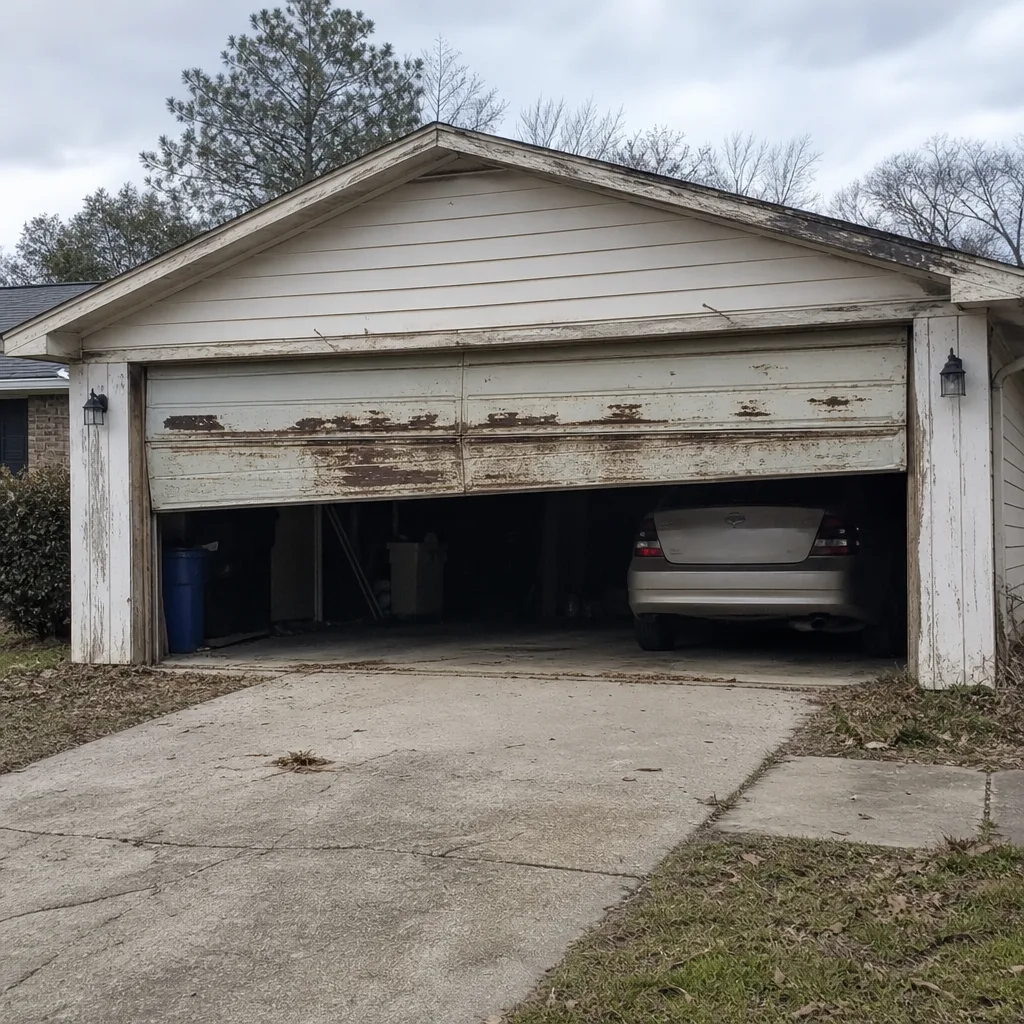 Before
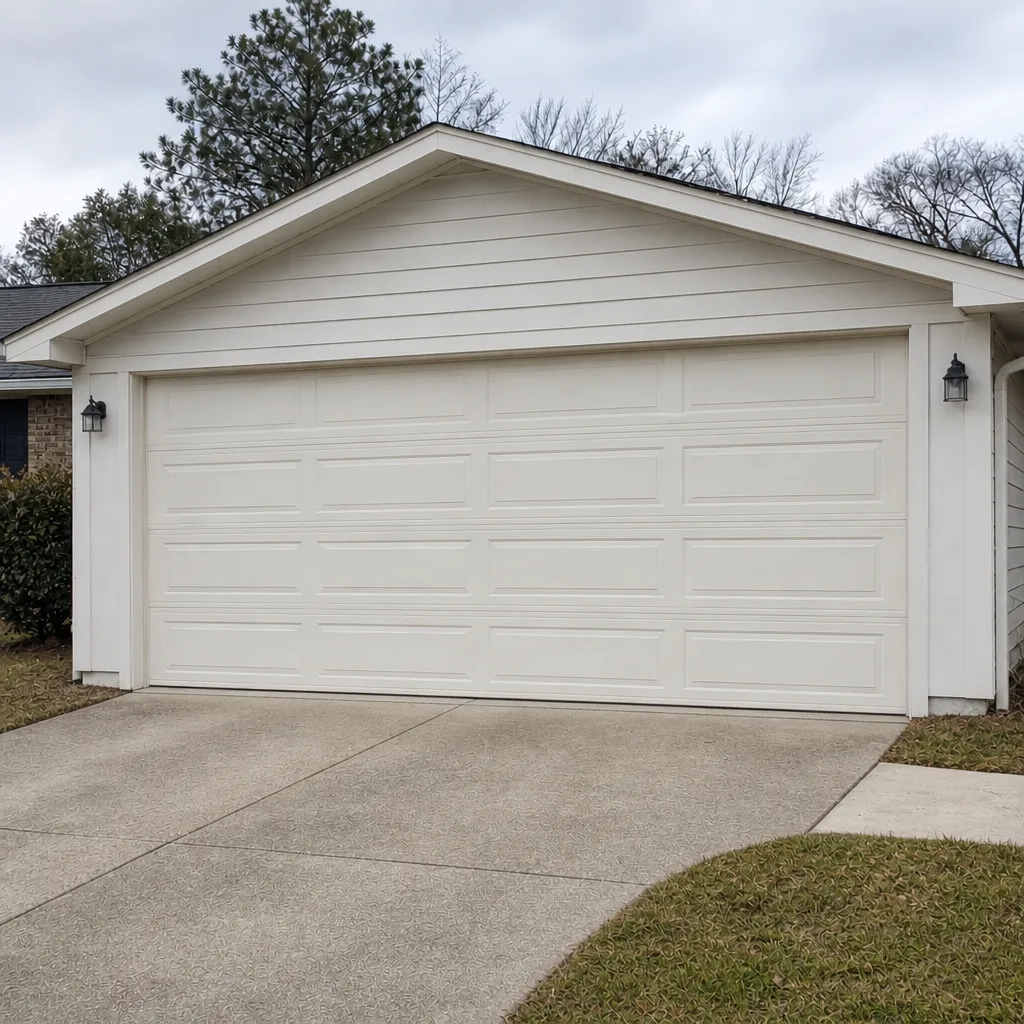 After
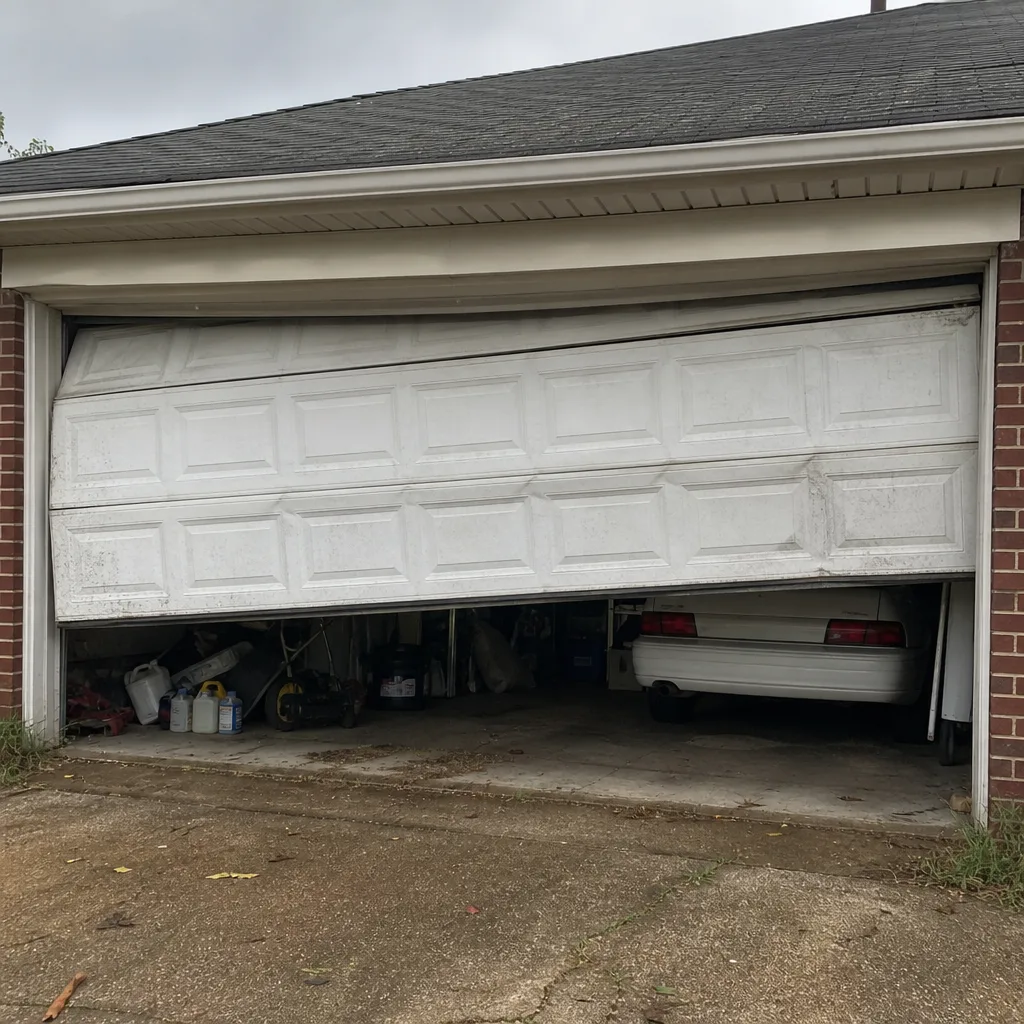 Before
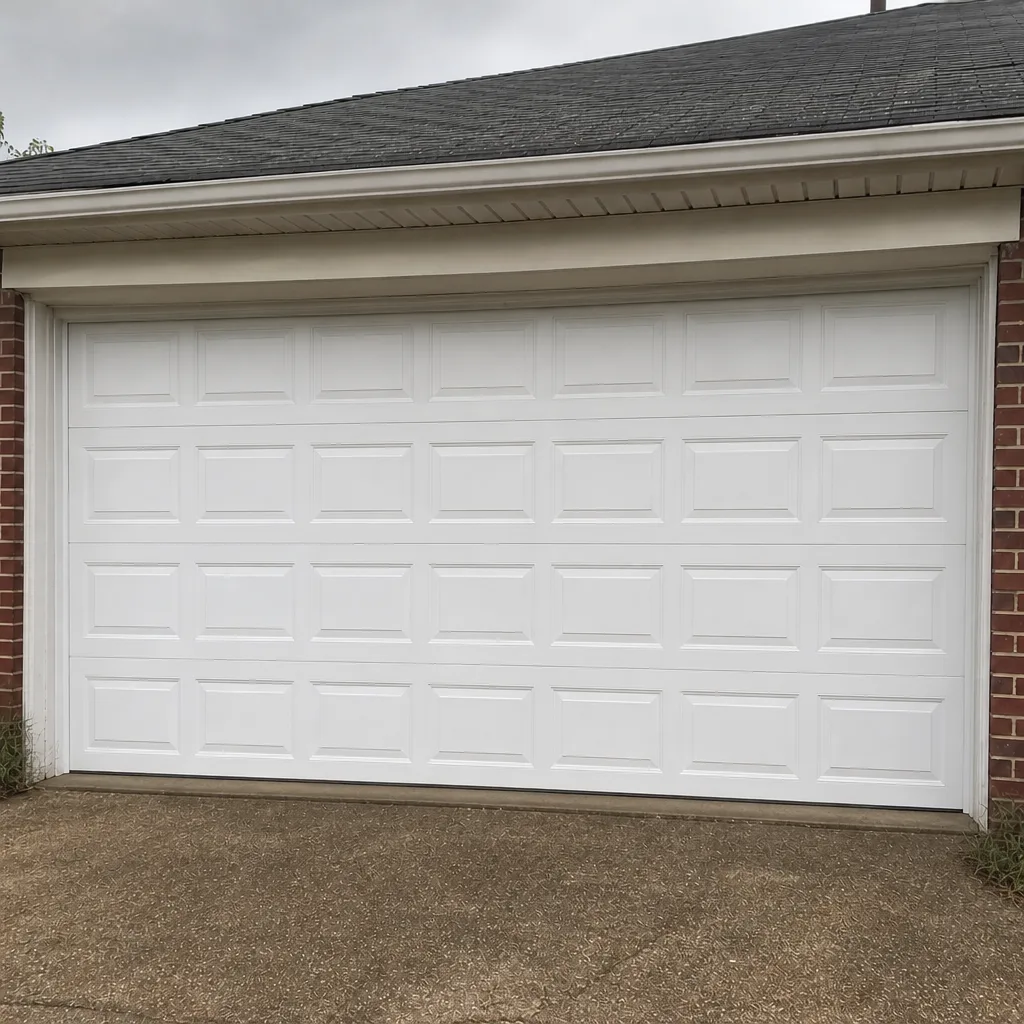 After
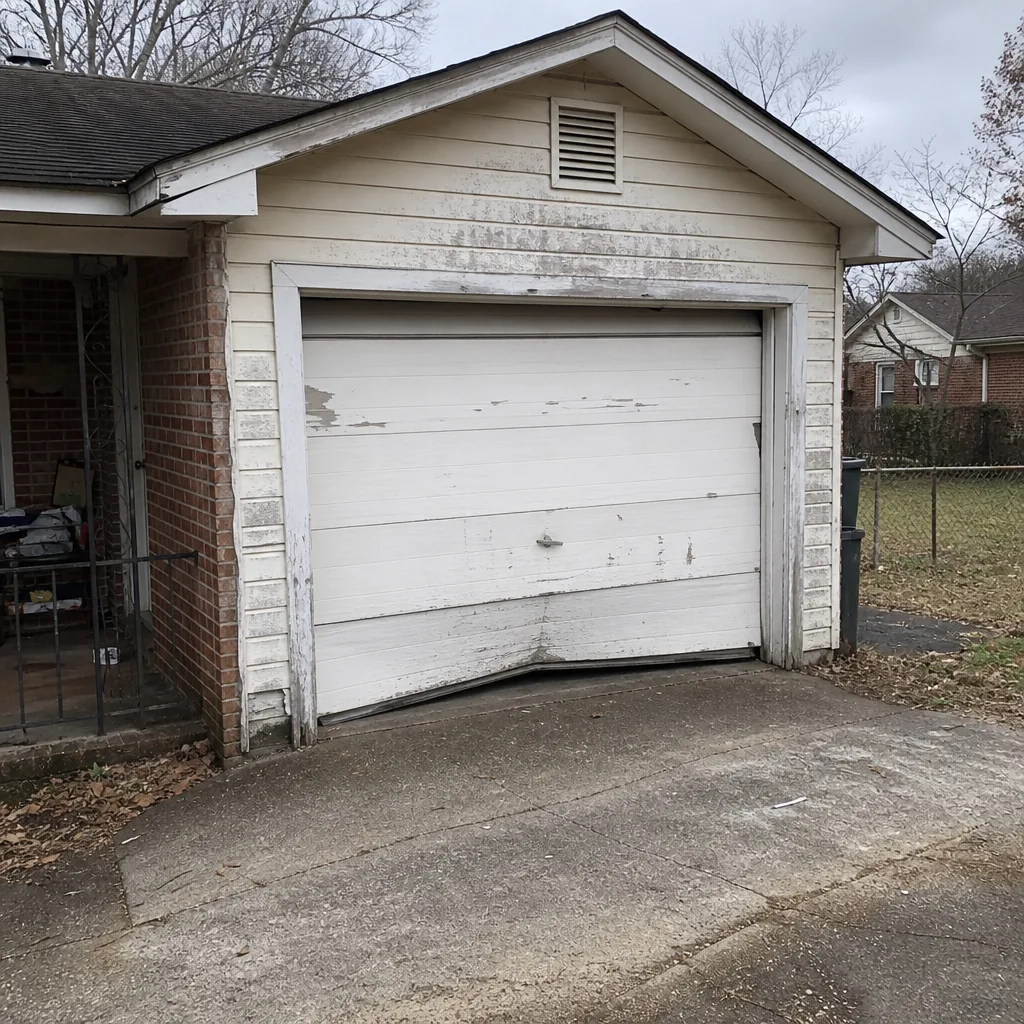 Before
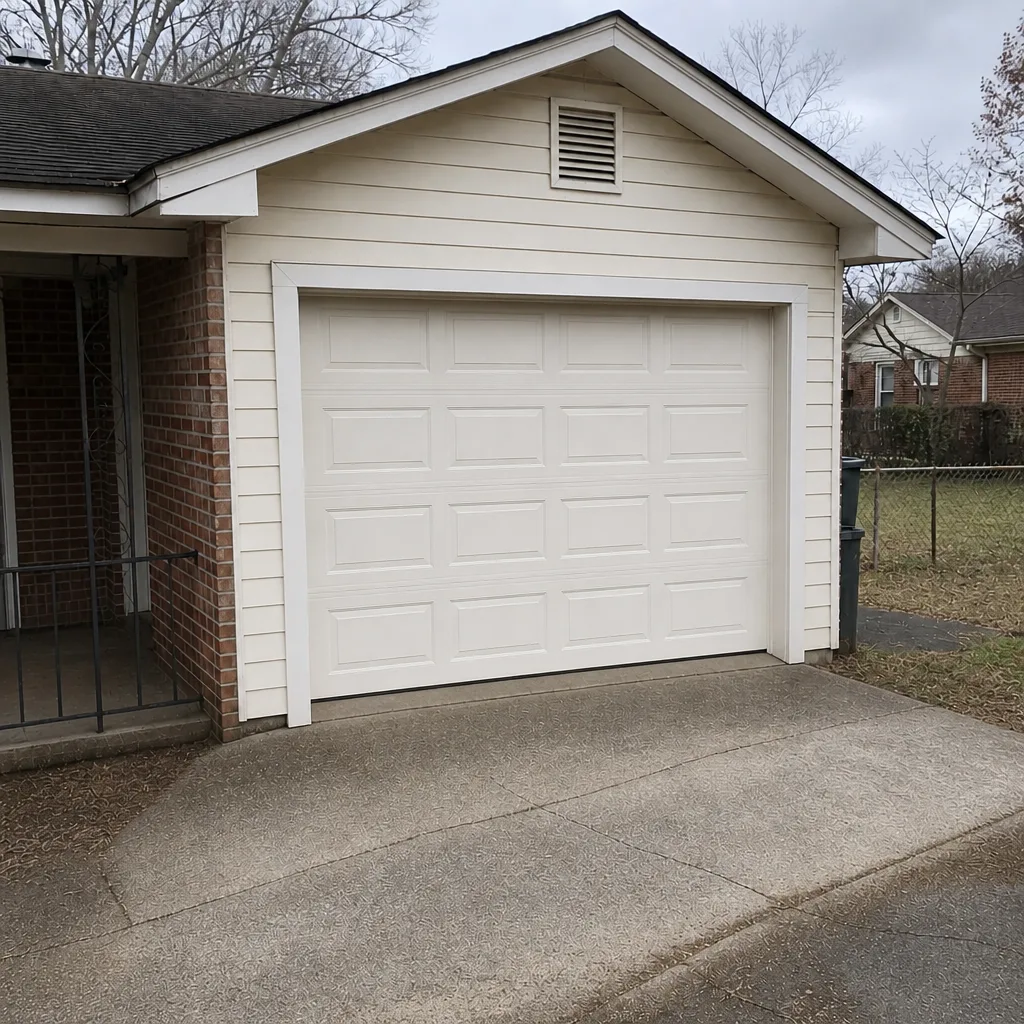 After
When to Call a Professional
Call a professional when the problem involves anything under tension: springs, cables, bottom brackets, or torsion drums. Call when the door won’t stay closed, won’t close evenly, reverses unexpectedly, or makes grinding and popping sounds during the cycle. Call when the opener runs but the door doesn’t move, when a remote stops working after a simple battery change, or when the door has been exposed to storm damage. Call before the problem gets worse, because a small issue that’s ignored in Tuscaloosa’s heat and humidity rarely stays small. A worn roller becomes a bent track, a weak spring becomes a snapped spring, and a strained opener becomes a full replacement. Early diagnosis keeps a repair a repair.
Ashby Garage Door Repair offers free estimates in Tuscaloosa. Call (855) 758-0653. We answer 24/7. A call outside dispatch hours is booked into the next opening, Sunday through Friday, 7am to 7pm. We work exclusively on garage doors and service Clopay, Amarr, Wayne Dalton, LiftMaster, Chamberlain, Genie, Craftsman, and Raynor.
Frequently Asked Questions
The cost depends entirely on what’s failed. A spring replacement is a different job from a cable repair, an opener fix, or a track realignment, and each has its own price. We provide a free written estimate before any work starts, and the price you agree to is the price you pay. Call (855) 758-0653 for an exact quote; estimates are free.
Humidity is the main reason. Tuscaloosa receives over 55 inches of rain per year, and that moisture promotes rust on springs and cables while breaking down bottom seals and lubricant. Heat compounds the wear in summer, and storm season adds stress from wind and debris. The result is that the same door that lasts many years in a dry climate can wear out noticeably faster here.
In most cases, yes. We service LiftMaster, Chamberlain, Genie, Craftsman, and other major brands that are already installed in Tuscaloosa garages. If your opener is from one of these manufacturers, call and describe the model and the symptoms. We’ll tell you whether it’s a repair or replacement based on what’s actually failing. Call (855) 758-0653 for a diagnosis.
Repair is usually the right answer when the panels are structurally sound and the problem is a single component: a spring, cable, opener, or seal. Replacement is usually the answer when panels are rusted through, the door flexes, the track is bent, and multiple systems are failing at once. A free in-home measurement and estimate will tell you exactly which path makes sense for your door.
Run the door and listen for grinding, squealing, or shuddering. Check for visible rust or a gap in the spring, look at the cables for fraying, and run your hand along the bottom seal to feel for cracks. Test whether the door reverses when you put something in its path. Write down what you find. Then call (855) 758-0653 and describe it; that helps us prepare and get the repair done in one visit.
A specialist is the right call for anything involving springs, cables, or the opener, because those components are under tension and require specific tools and training. A specialist also diagnoses the whole system instead of just the visible symptom. Since we work exclusively on garage doors, we can tell you what’s actually failing rather than guessing. That diagnosis is the difference between a fix that lasts and a repeat visit.
The Bottom Line
Tuscaloosa is hard on garage doors. The 55-plus inches of rain and the summer heat accelerate wear on springs, cables, and seals in ways that generic national advice doesn’t account for. The practical takeaways: read your door’s real condition with the balance test and the cable and spring checks, treat moisture as the main enemy, choose steel or fiberglass unless you’re ready to maintain wood, and keep the door closed when a spring or cable fails. If repairs pile up on an aging door, a measured replacement may be the cheaper long-term choice. When the problem is under tension, call a specialist who works exclusively on garage doors. For help anywhere in Tuscaloosa, call (855) 758-0653 for a free estimate. We answer 24/7. Fast dispatch from 7am to 7pm, Sunday through Friday.
Written by the team at Ashby Garage Door Repair.