
Last updated November 15, 2026
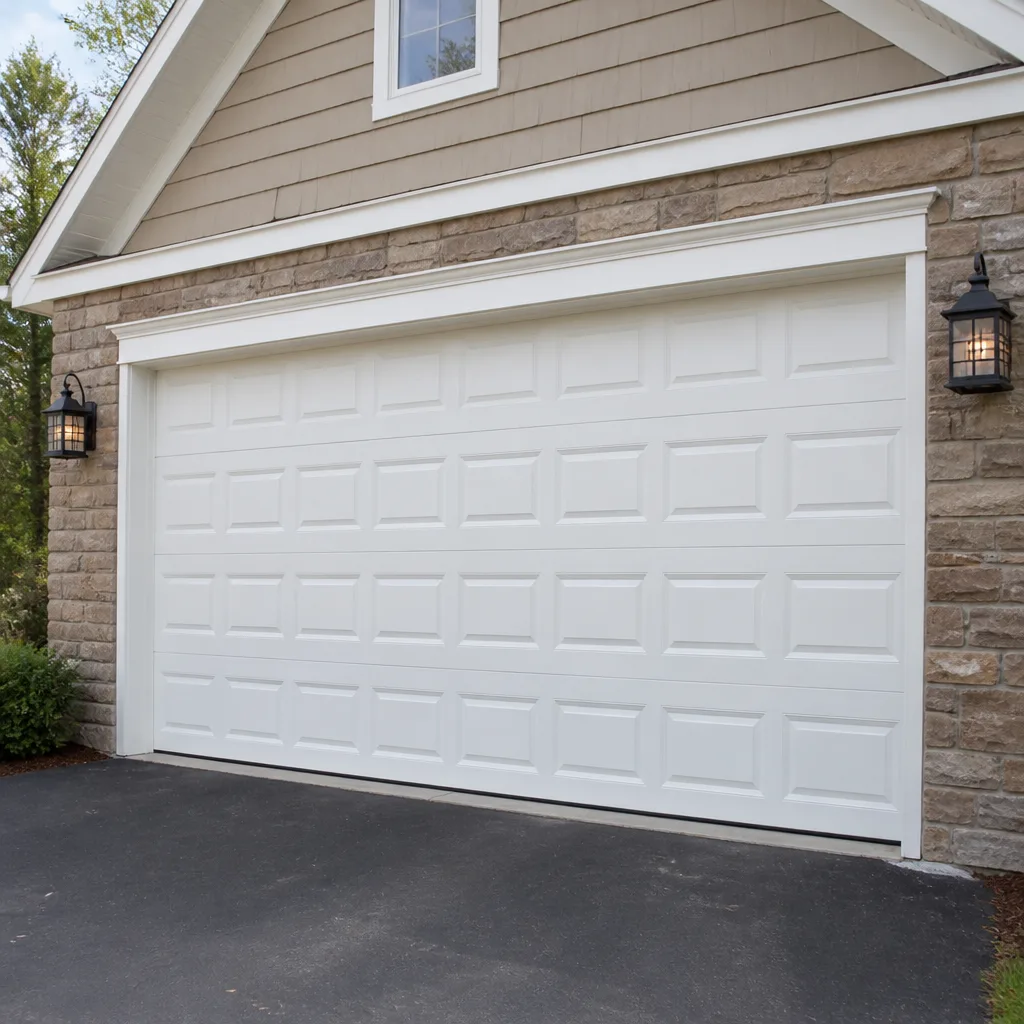 Raised-panel steel
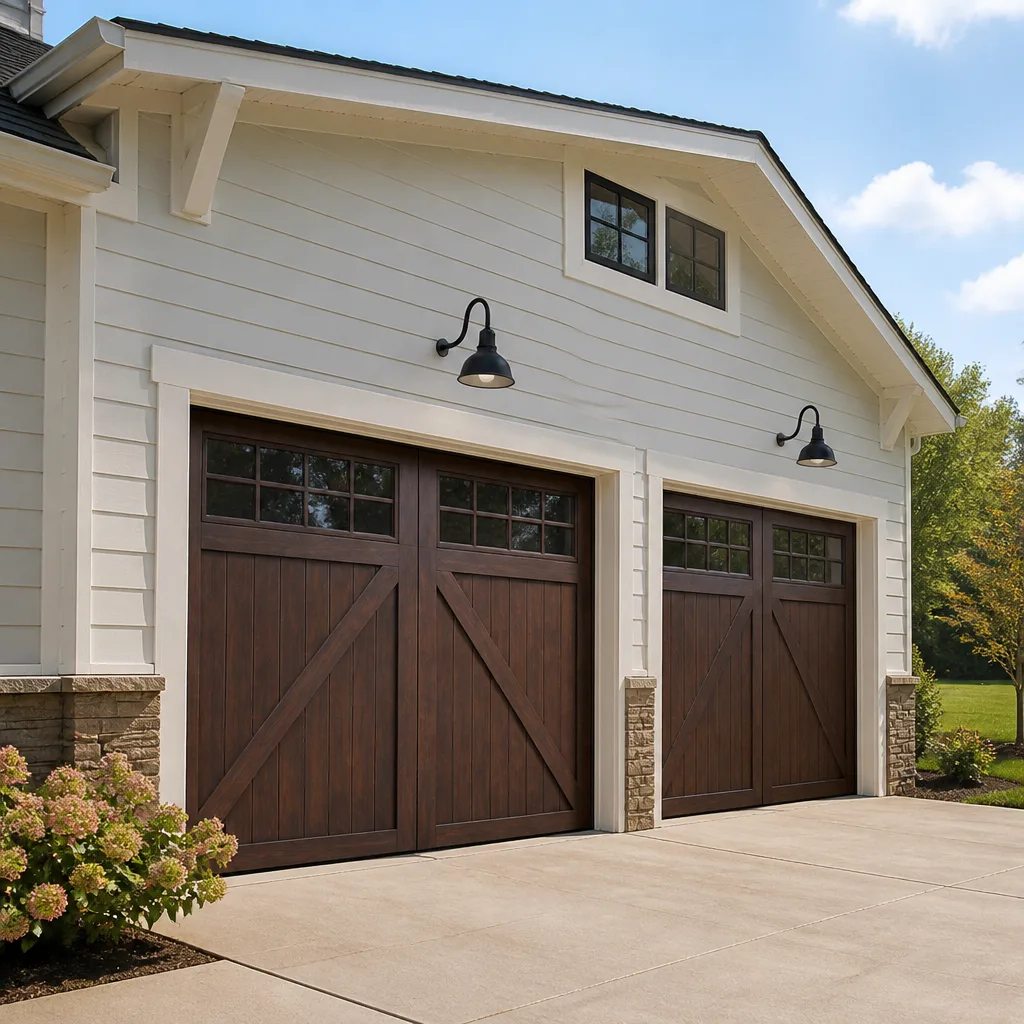 Carriage house
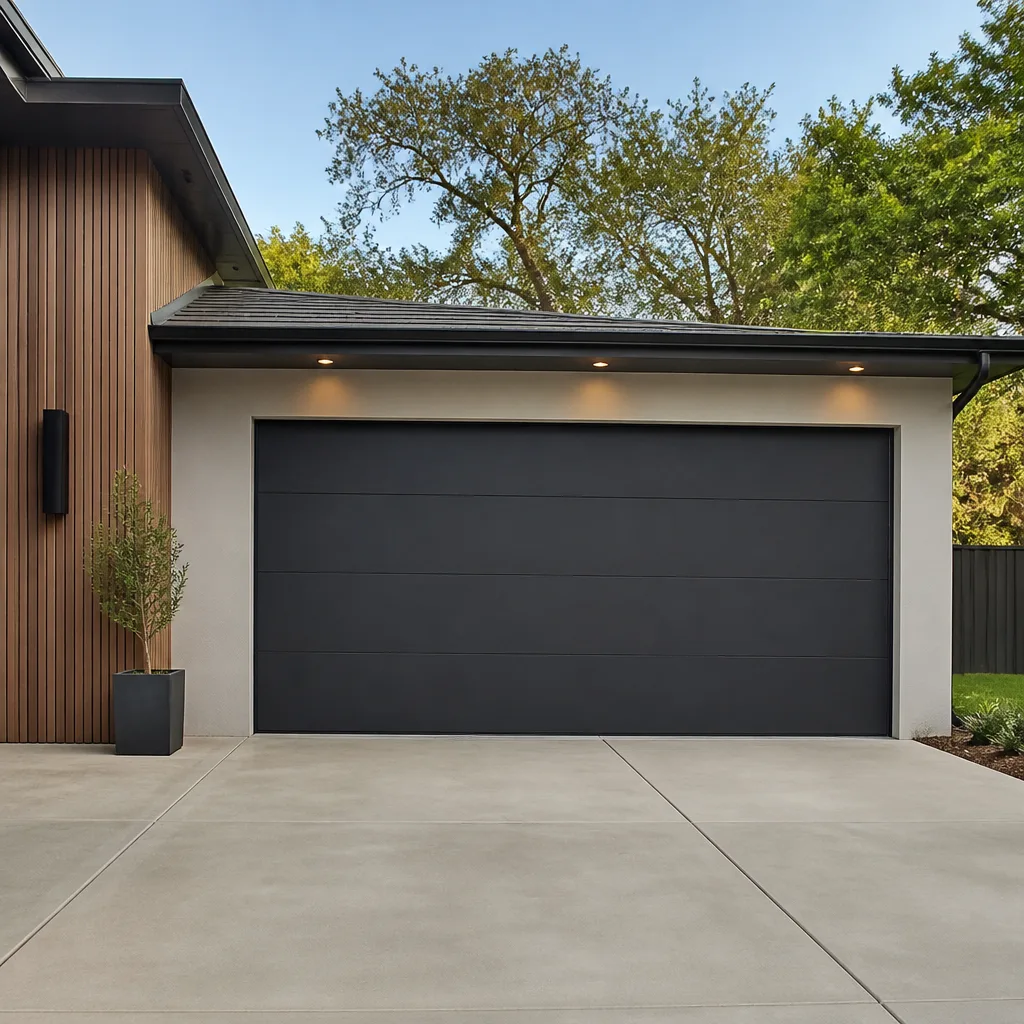 Modern flush
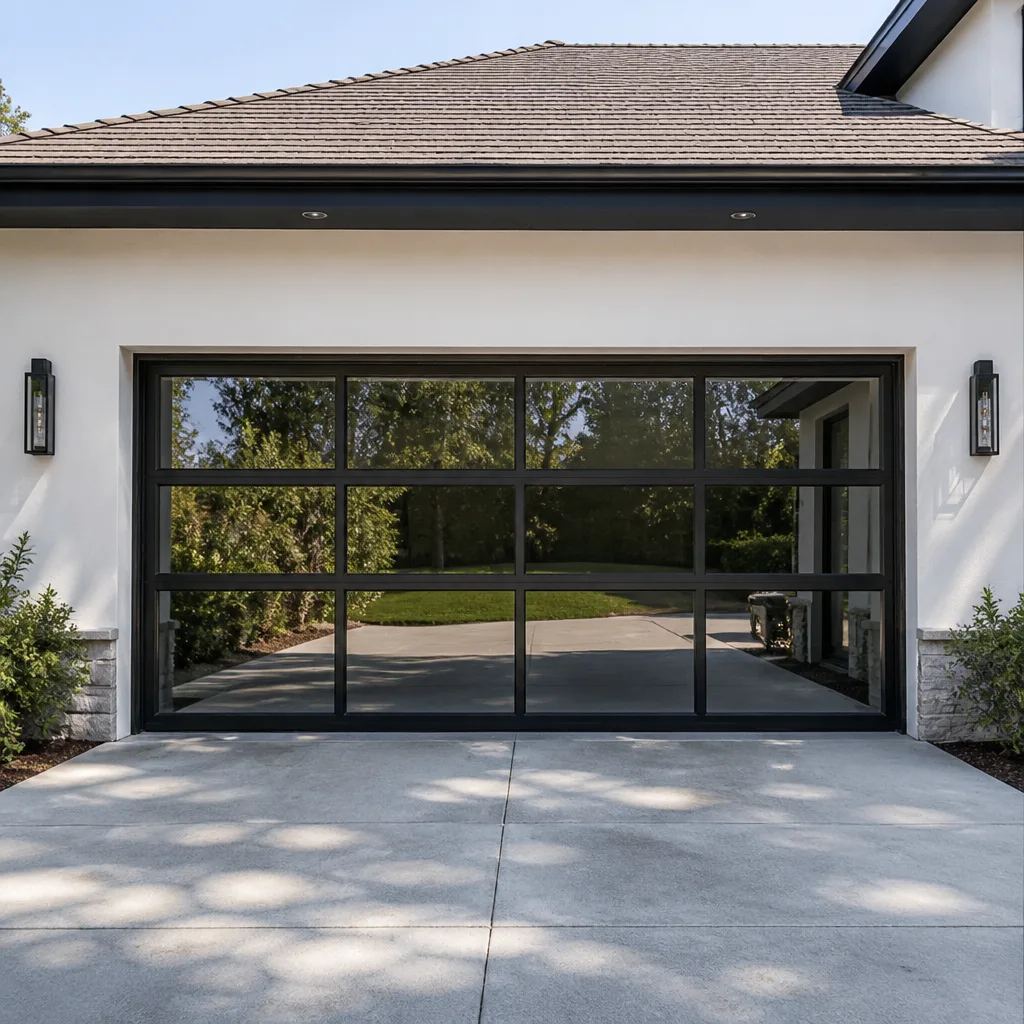 Full-view glass
 LiftMaster openers
 Chamberlain openers
Full 25-point door and opener safety check with every visit - springs, cables, rollers, tracks, and your LiftMaster or Chamberlain opener included
You get a price before we start. It does not change when the pro arrives.
Get your free estimateGarage Door Repair Maintenance Checklist for Tuscaloosa Homeowners
Most emergency garage door calls don’t start with an emergency. They start weeks earlier, with a door that shudders once on the way up, a roller that squeaks in the cold, or a seal that lets a sliver of daylight through at the bottom corner. Nobody looks, because nobody knows what to look for. That’s the real problem: not the breakdown, but the missing inspection routine. A door in Tuscaloosa faces its own specific combination of stresses, and a checklist borrowed from a national blog won’t catch them. This guide gives you a task-by-task routine matched to the heat, humidity, and storm seasons here, plus the five-minute monthly test that catches most developing failures while they’re still cheap to fix.
Quick Answer
Check your garage door once a month with a five-minute test: listen for new noises, watch the door travel fully open and closed, look at the springs and cables from the ground without touching them, and test the safety reverse. Then do deeper service quarterly (lubrication, roller and seal inspection) and annually (balance test, hardware tightening, professional inspection). In Tuscaloosa, the biggest maintenance triggers are summer heat across long hot stretches (which stresses springs and dries out seals), storm-driven rain, and high humidity that turns the wrong lubricant into a grit-collecting paste. Our technicians have up to 9 years of experience and see the same preventable failures again and again.
Styles & brands we work with
- Raised-panel steel
- Carriage house
- Modern flush
- Full-view glass
- LiftMaster openers
- Chamberlain openers
Table of Contents
- Why a Tuscaloosa Door Wears Differently
- The Monthly Checklist: The Five-Minute Test
- The Quarterly Checklist: Lubrication, Rollers, and Seals
- The Annual Checklist: Balance, Hardware, and Alignment
- How to Inspect Springs Safely From the Ground
- Which Lubricants Survive Alabama Heat and Humidity
- Weatherstripping and Seals for Storm-Driven Rain
- Opener Maintenance Most Owners Skip
Why a Tuscaloosa Door Wears Differently
A garage door in Phoenix fights heat so dry the wood dries to a crackle. A door in Minneapolis fights a freeze-thaw cycle that breathes water into every seam. A door in Tuscaloosa fights something in between, and that “in between” is what makes maintenance here tricky. Our summers run long and humid, so metal parts stay warm for months at a time and humidity settles into every moving joint. Then the afternoon storms arrive and push water and wind against the door’s seals. That combination means wear shows up less as one dramatic failure and more as slow, steady stress on the parts that move and the parts that seal.
The housing here matters too. Plenty of Tuscaloosa homes have attached garages facing west or southwest, which means the door takes the most punishing afternoon sun of the day. A door on that exposure will run hotter than the same door on a shaded side of the house. Our technicians have up to 9 years of experience, and one of the first things we note when we walk up to a door is which direction the garage faces, because that alone changes how often a door needs attention.
Add the spring to the picture. Springs are the parts under the most constant load, and heat cycling wears on them. A door that gets four months of full sun on its face will fatigue its springs sooner than a shaded door of the same brand and model, whether it’s a LiftMaster opener system behind it or an older Craftsman.
None of this means a Tuscaloosa door is doomed to fail early. It means the intervals in a national checklist need a Tuscaloosa adjustment. We’ll point out the exact places where you should tighten up the schedule for Tuscaloosa conditions.
The Monthly Checklist: The Five-Minute Test
This is the routine that catches most developing problems before they become expensive. It takes five minutes and requires no tools. Do it once a month, and do it when you’re not rushing out the door. Here is the sequence, and each step has a reason behind it.
- Listen first, before you touch anything. Stand in the garage and operate the door. Note any new grind, rattle, or squeak that wasn’t there last month. A change in sound is usually the earliest sign that a roller, bearing, or hinge is wearing.
- Watch the full travel. Run the door up and down completely. Watch for jerking, hanging, or a door that seems to pause partway. A door that moves smoothly one month and jerks the next is telling you something.
- Look at the springs and cables from the ground. Don’t touch. Just look. Check for visible rust, a spring that looks stretched or deformed, or a gap that wasn’t there before. We cover exactly what to look for below.
- Test the safety reverse. With the door coming down, wave an object through the beam near the floor. The door should reverse on its own. If it doesn’t, stop using the door and get it addressed.
- Check the seal at the floor. Close the door and look along the bottom edge from inside. Any light gap at the floor or corners is a sign the seal is failing.
The reason this short sequence works so well is that almost every serious failure has an early symptom that shows up here. A worn roller announces itself as a rattle before it crumbles. A fatiguing spring weakens visibly before it breaks. A failing seal lets light through months before water does. If you can establish one habit for your door, make it this one.
If any step in the test results in a clear problem, that’s the point to call for garage door repair rather than wait for the next failure.
The Quarterly Checklist: Lubrication, Rollers, and Seals
Once a season, spend twenty to thirty minutes on the moving parts. In a climate like ours, quarterly is the right interval for lubrication. Here’s the routine.
- Lubricate the hinges and rollers. One or two drops on each hinge pivot and each roller stem. A proprietary garage door lubricant works best, and we cover which type below.
- Inspect the rollers. Every roller should turn freely and sit snugly in its track. Replace any that are cracked, flat-spotted, or wobbling.
- Check the tracks for debris and dents. Tracks collect grit and, in a home with kids or pets, stray objects. Wipe them down. Look for dents that could catch a roller.
- Check the weatherstripping along the sides and top. The seals should sit snugly against the door. A torn or hanging seal is one to note for replacement.
- Wipe down the bottom seal. Give it a clean, and look for cracks or flattening along the contact edge.
This is also the right moment to check the hardware on the door panels themselves. Bolts and lag screws that hold hinges and brackets loosen over time, and a loose bracket causes tracking problems. A visual pass for loose fasteners now saves a bigger fix later.
A quarterly check is where you’ll catch the wear-specific problems that show up here but not in other climates. If a roller or bracket looks doubtful, our team can advise on whether to replace it or continue monitoring. We service eight major brands, including Wayne Dalton and Raynor, so we can tell you what’s normal wear for your specific door rather than guess.
The Annual Checklist: Balance, Hardware, and Alignment
Once a year, the door deserves a more complete review. This is not a DIY deep-dive into the mechanicals. It’s the annual pass that identifies what’s changed and what’s due, plus the balance test below.
- Do the balance test. Disconnect the opener (usually a pull cord or lever), lift the door about halfway, and let go. A well-balanced door should stay roughly where you left it. A door that drops is telling you the springs are losing tension. Never do this test if the door has a broken spring or is visibly struggling.
- Check the hinge and bracket fasteners. Run a screwdriver over the visible bolts. Snug them, but don’t overtighten.
- Inspect the tracks for misalignment. Use a level along each track. A track that’s out of line is causing the door to strain against itself.
- Look at the door panel alignment. The panels should sit evenly with no gaps or sagging. Sagging panels are a sign of panel and hinge wear.
- Test all safety features. The photo-eye safety reverse and the auto-reverse on contact both need to work. A door that fails either test shouldn’t be used.
An annual review is also the moment to look at the opener and its hardware. Belt and chain drive systems both wear over time, and an opener that’s running louder than it used to is usually telling you it needs adjustment. If you want that reviewed as a standalone service, our garage door opener repair team handles openers as their own specialty.
For the parts of the door you can’t safely assess yourself, a professional annual inspection is the reliable option. If you want a second opinion on anything on this list, we can put a trained eye on it.
How to Inspect Springs Safely From the Ground
The springs are the most dangerous part of any garage door. Torsion springs store immense energy under tension. They can cause serious injury if handled incorrectly, and a technician is the right person for any spring work. That said, you can and should inspect them from the ground without touching them, and doing so monthly is one of the best habits you can build. Here’s what to look for.
- Deformation. A healthy torsion spring has an even, consistent coil spacing. A spring that’s stretched in the middle, or whose coils look unevenly separated, is showing fatigue.
- Rust. Rust in a humid climate is normal on many surfaces, but heavy rust on a spring is cause for a closer look. In our experience, rust pits form along the coil and weaken it. Any spring that looks badly rusted should be seen by a professional.
- Gap formation. This is the one that matters most. If you can see a visible gap between the coil loops that wasn’t there before, the spring is failing. Stop using the door and call us.
- Straightness. A torsion spring should look straight. A bend or a lean is a sign it’s nearing failure.
Look at your cables too. A frayed or kinked cable is a maintenance flag. Don’t touch cables under tension. Just note what you see, and call us to get it addressed. Our technicians have up to 9 years of experience, and spring work is the most common thing they do.
If you’re ever unsure what you’re looking at, our team is happy to walk you through what your door actually needs. The one thing we’ll always say is this: look, don’t touch. If the inspection turns up a problem, that’s the moment to call in the pros.
Which Lubricants Survive Alabama Heat and Humidity
Not all lubricants do well in Tuscaloosa. The humid summer air changes how a lubricant behaves, and using the wrong one can actually create more maintenance problems. Here’s an honest comparison.
- Garage door specific spray lubricant (silicone or lithium-based): the best all-around choice. These are formulated to stay where you put them and don’t collect heavy grit. They hold up reasonably well in humidity. This is what we use and what we recommend.
- Silicone spray: a good option for moving parts on rollers and hinges. It’s dry, so it doesn’t attract dust. It will need reapplying more often in the summer.
- White lithium grease: works but can get tacky in high humidity and begin to attract grit over time. Where it’s used, use it sparingly.
- WD-40 (general purpose): fine as a temporary fix or a quick clean-up, but not a long-term lubricant. It thins out and doesn’t stay where you need it. We don’t recommend it as your regular choice.
- Cooking spray or household oils: avoid them. In heat and humidity they turn into a sticky film that catches every bit of grit in the garage.
The single biggest mistake we see is over-lubricating. Excess grease in a humid climate collects grit, and grit accelerates wear. A light application is enough. If the door has been lubricated heavily in the past and the tracks or hinges are caked with residue, cleaning it thoroughly before a fresh application restores the wear rate to normal. We can advise on which lubricant fits your opener and door based on what you have. We service Wayne Dalton, Raynor, LiftMaster, and five other major brands, so our advice fits the door you own.
Weatherstripping and Seals for Storm-Driven Rain
Tuscaloosa’s storm season brings wind-driven rain that finds every weak point in a seal. A garage door is not a sealed container, but its weatherstripping does keep the worst of the water out. In a climate with our combination of heat expansion and storm rain, the seals are one of the highest-priority maintenance points.
Check the seals at three points: the bottom seal along the floor, the side jambs, and the top of the door. The bottom seal is the one that takes the most abuse, and it’s the one most likely to be flattened by heat or cracked by age. A seal that has lost its springiness or has visible cracks won’t sit against the floor properly, and water finds the gap.
Here’s the routine that fits our weather:
- Close the door and look for daylight at the floor and corners. Any light is a path for water.
- Run a hand along the bottom seal. It should feel firm and pliable, not brittle or flattened.
- Check the side and top seals. They should sit flat against the door with no curling or gaps.
- After a heavy storm, look for water on the floor near the door. That’s your check that the seal is doing its job.
Seals are also one of the cheapest parts to replace and one of the easiest ways to head off a bigger problem. If the rubber is cracked or hard, plan to have it replaced.
Make sure the opener and the door work in harmony too, because a door that doesn’t travel all the way down is a seal that never contacts the floor. If your opener is struggling to close the door, that’s an opener problem, not a seal problem.
Opener Maintenance Most Owners Skip
Most people think of the opener as “the motor.” In reality, it’s a system with several wear points that need routine attention. Over the long term, an opener that’s neglected causes more repair calls than any other part of the garage door system. Here’s what to inspect annually.
- Test the safety reverse. This is the same test from the monthly checklist, but do it again with fresh attention. The photo-eye sensor at the bottom of the door and the auto-reverse function both need to work. If either fails, the door shouldn’t be used.
- Check the force setting. The opener has a force adjustment, and a setting that’s too high is a safety concern. If the door slams or strains, the force setting needs review by a professional.
- Check the belt or chain. Belt and chain drive openers both wear. Listen for a louder-than-usual run. Our technician can tell you whether your drive is due for adjustment or replacement.
- Inspect the wall control and remotes. Test the wall button and any remotes. If the remotes are losing range, the cause is often the opener’s battery or a damaged logic board.
- Clear the gearbox area. This isn’t a DIY job, but keeping the area clean and having the opener serviced annually heads off a jammed or grinding gearbox.
All of these are within the scope of an annual review, and most are simple to check. If your opener is a Chamberlain, LiftMaster, or Genie, our team knows the specific wear points to check.
We see a lot of openers that are working fine but are overdue for maintenance that would have kept them running without issues. If anything on the list above concerns you, that’s a good reason to schedule a check.
Common Mistakes to Avoid
- Ignoring a new noise. Grinding, squeaking, or rattling is the door telling you something is wearing. Treat any new noise as a task for your next check, not something to get used to.
- Over-lubricating in humidity. More isn’t better. In Tuscaloosa’s summer air, extra grease turns into a grit trap that speeds up wear. Apply a light coat and skip the heavy spraying.
- Using the wrong spray. Cooking oils and general-purpose sprays don’t hold up in heat. They can gum up hinges and rollers and cause the very problems you’re trying to prevent.
- Never testing safety reverse. The safety reverse is the single most important function of the door. A door that fails to reverse on an object is a hazard. Test it monthly without fail.
- Assuming a heavy door means a strong door. A door that’s hard to lift and drops on the balance test is telling you the springs are losing tension. That’s a job for a professional, and it shouldn’t be tested or adjusted by hand.
- Never checking the seals. Storm season puts real water against the door. A failed seal starts as a small leak and ends with water where you don’t want it, so check the seals before the heavy rain arrives.
- Skipping the annual balance test. People put off the annual because nothing seems wrong. The balance test catches developing spring fatigue before it becomes a broken spring, and it’s the single cheapest check you can do.
See the difference
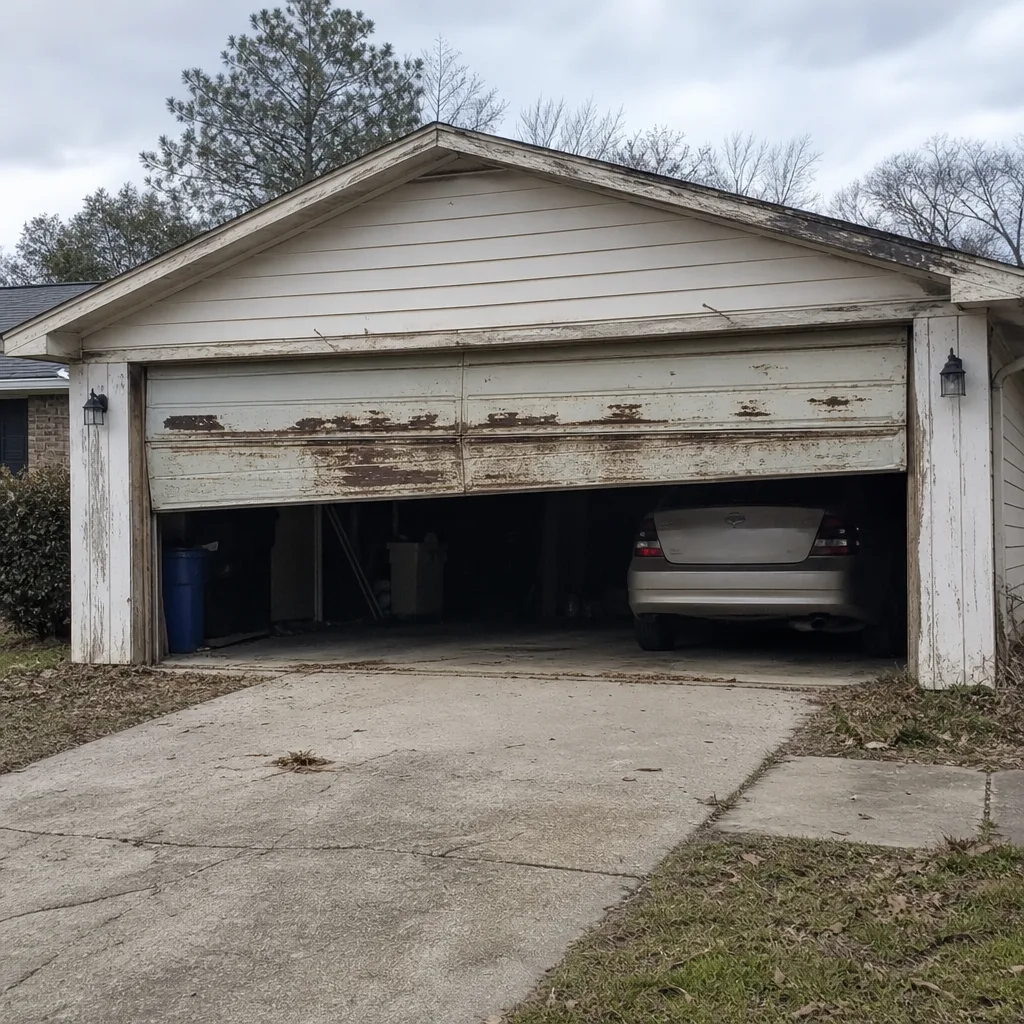 Before
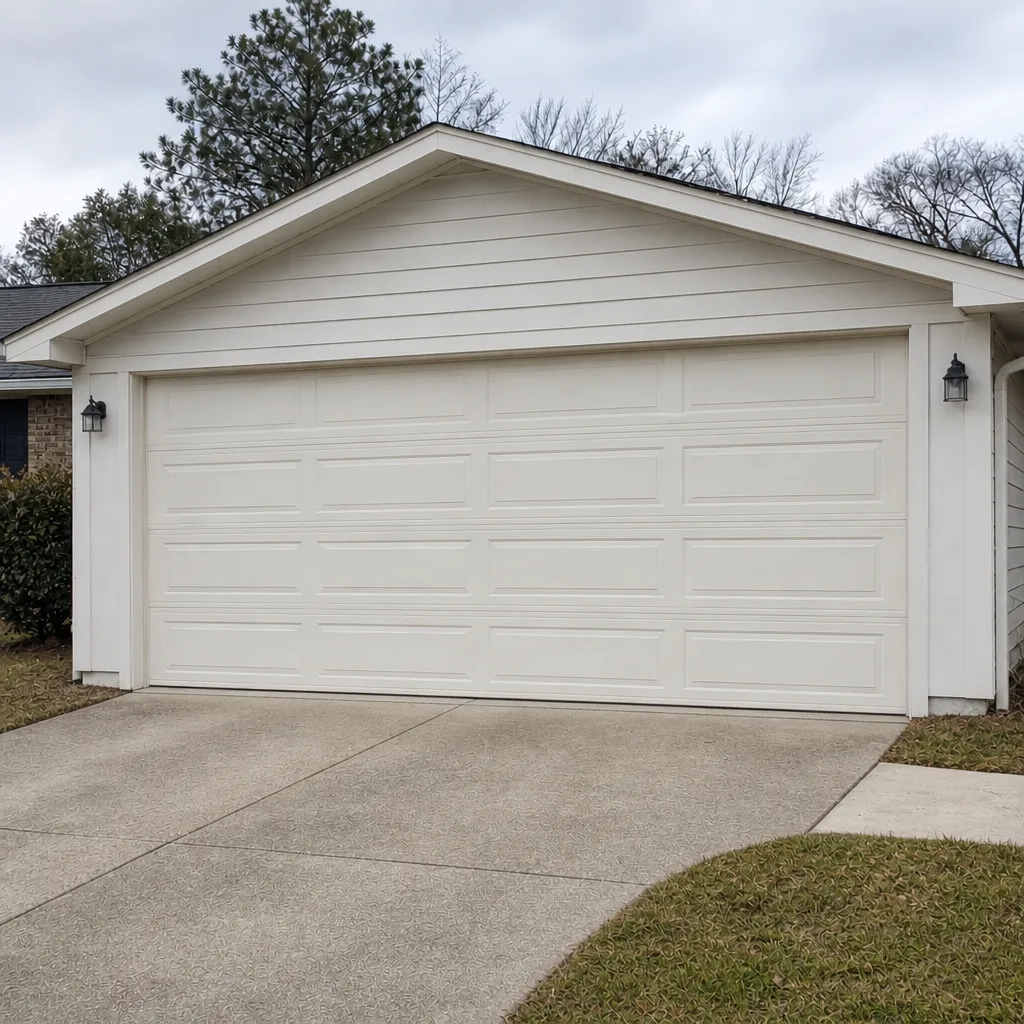 After
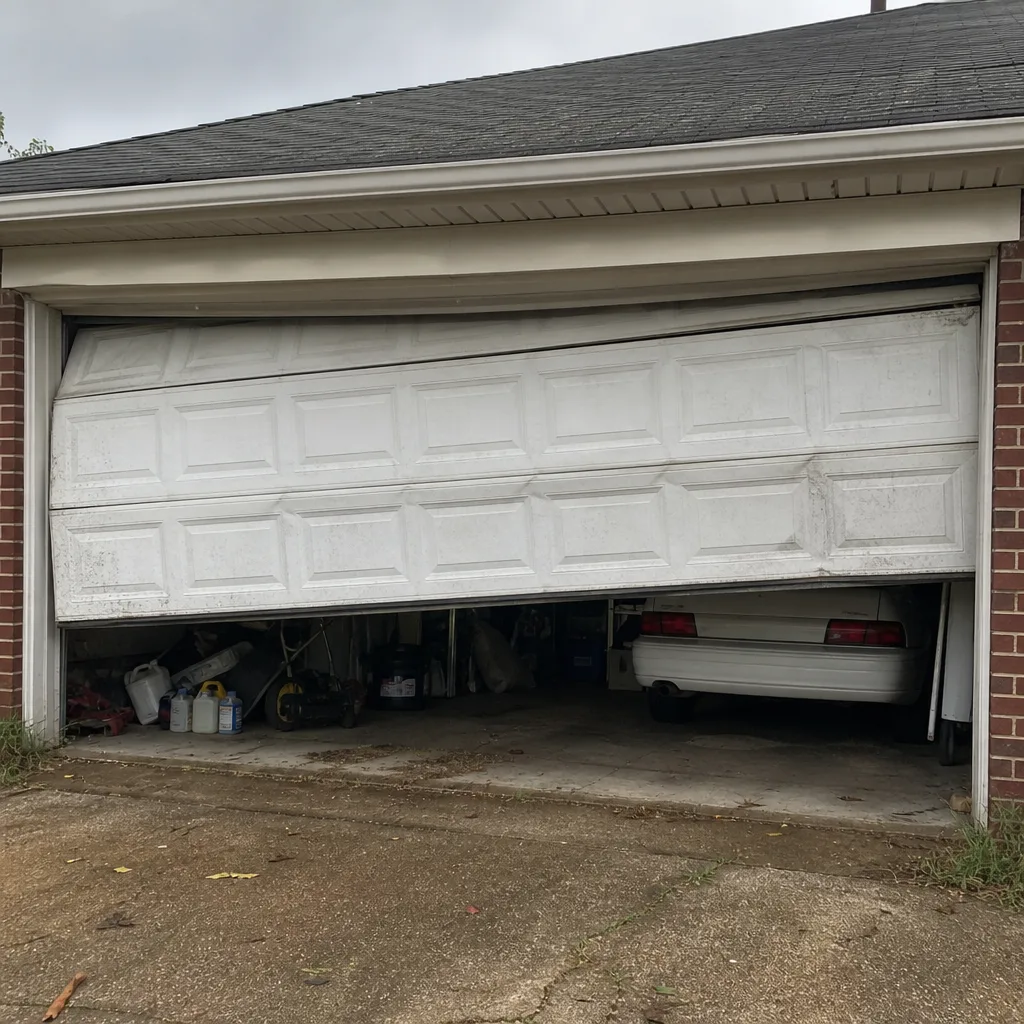 Before
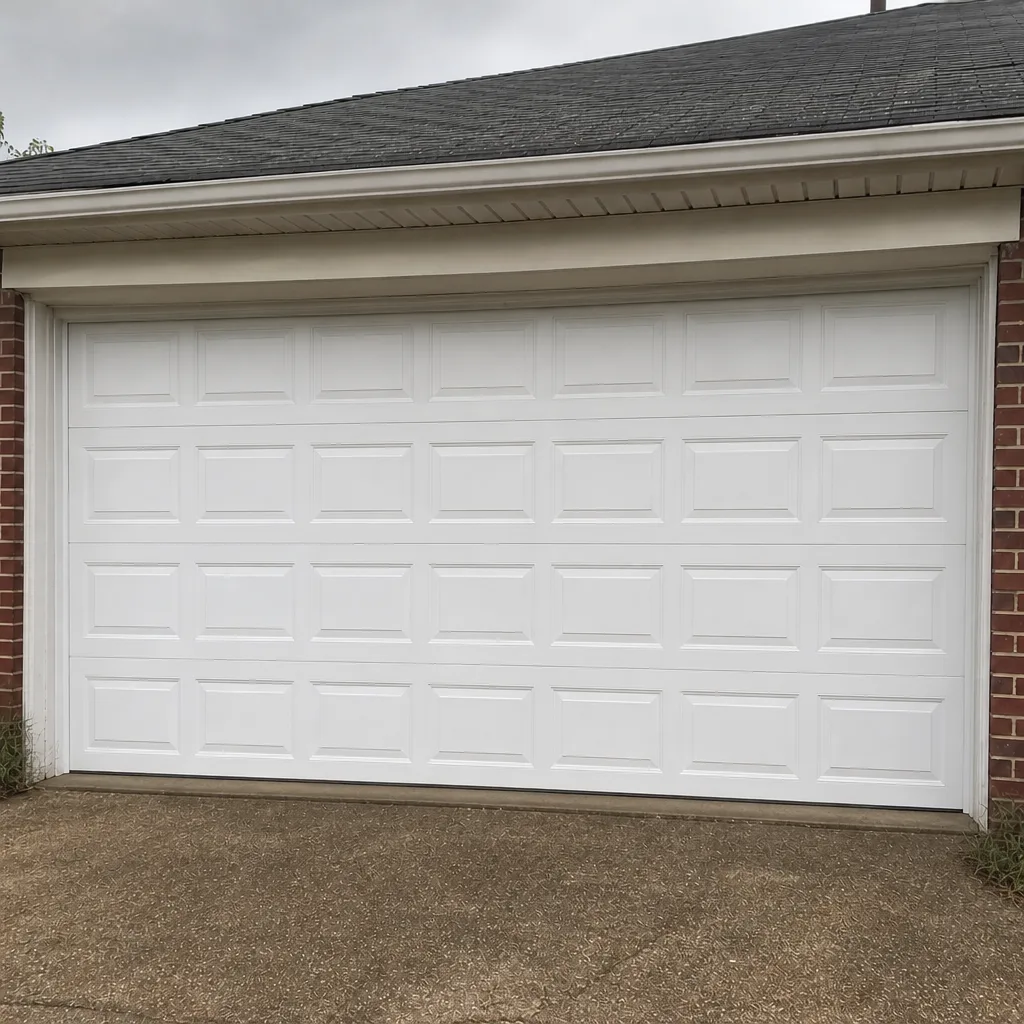 After
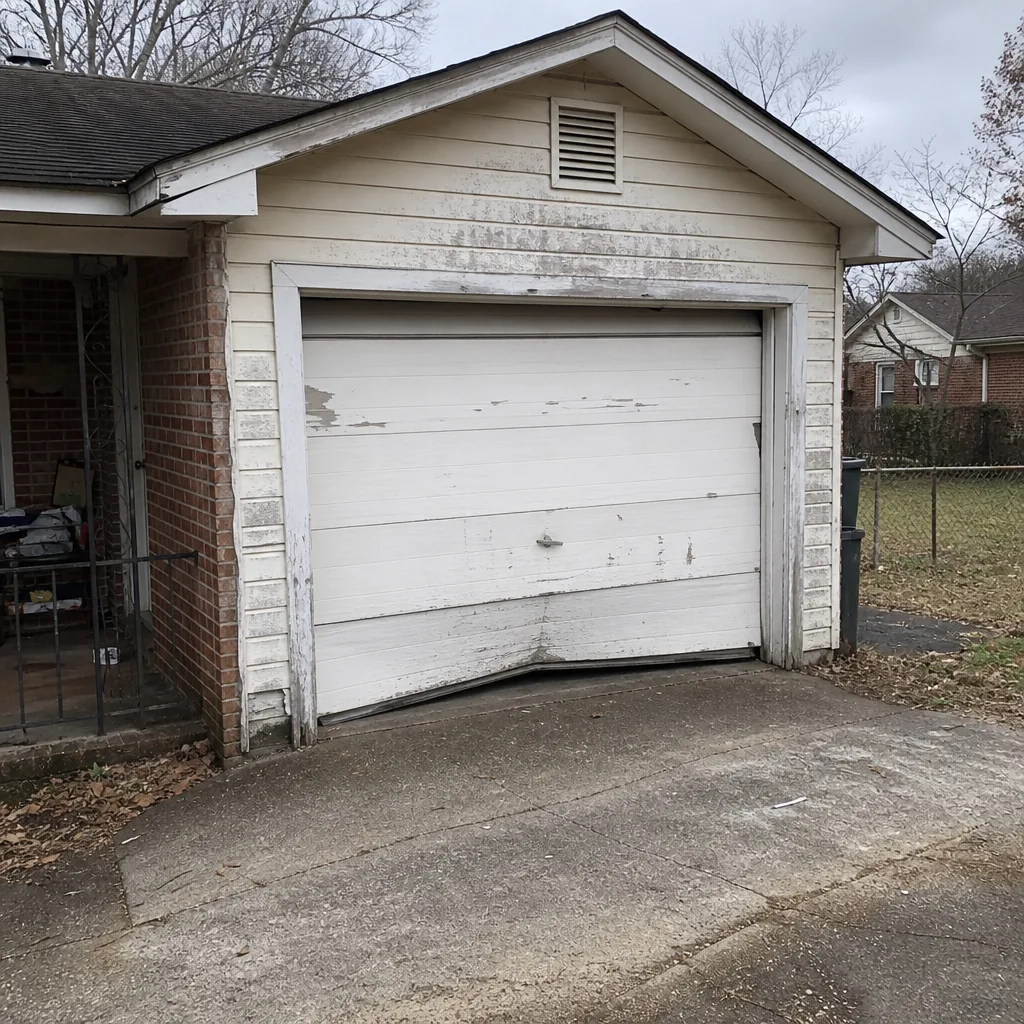 Before
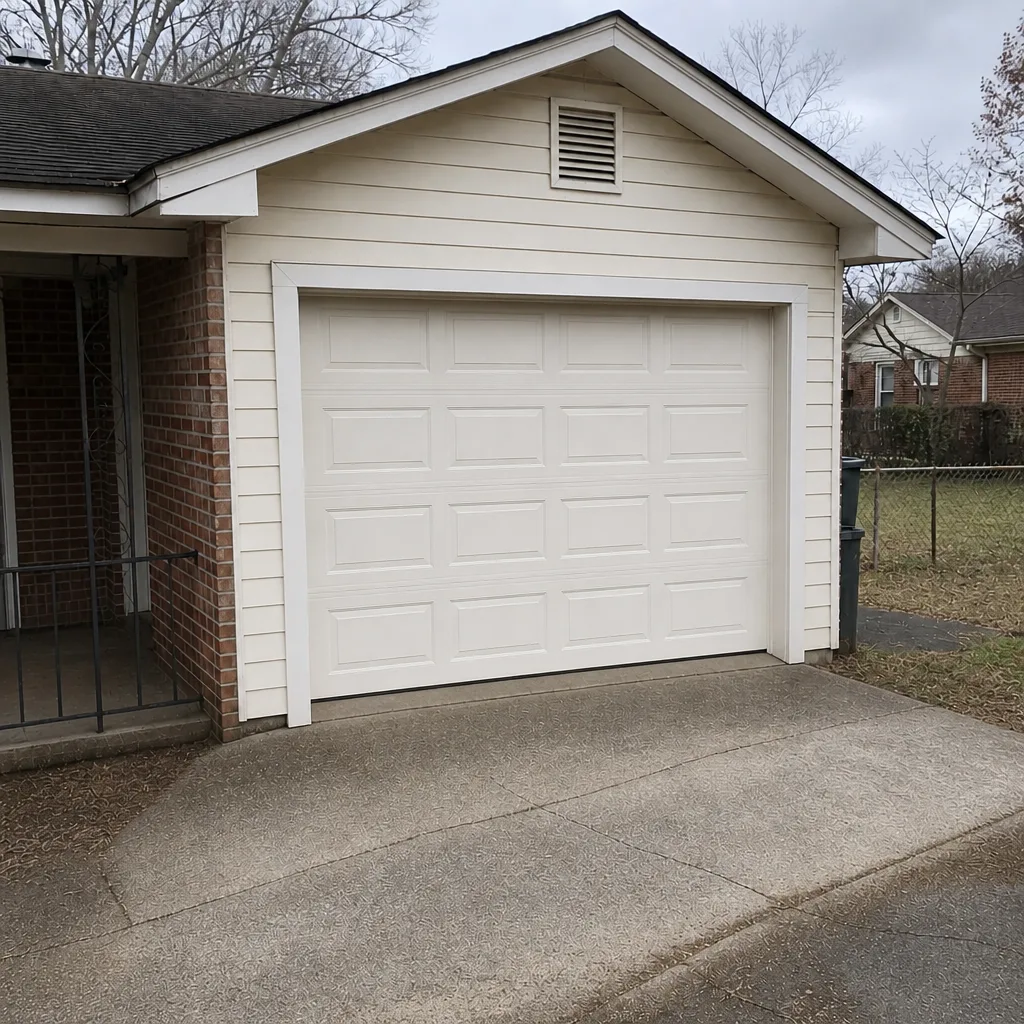 After
When to Call a Professional
Some of this checklist is genuinely DIY-friendly: watching the travel, listening for noise, cleaning the tracks, checking seals from the floor. But it’s time to call a professional the moment the problem touches the springs, cables, or safety reverse. A door that has a broken spring, a cable that’s frayed or snapped, a door that drops during the balance test, or a safety reverse that’s failed should not be used until it’s repaired. Those parts can cause real injury, and a professional is the right person to handle them. High-tension springs and cables in particular are not a DIY item. Don’t try to fix them yourself. It’s also worth calling a pro for hardware you can’t see, for an annual inspection, or for anything you’re not sure about. As a dedicated garage door specialist, we handle all three core needs: repair, opener repair, and installation.
Ashby Garage Door Repair offers free estimates in Tuscaloosa. Call (855) 758-0653. We answer 24/7, with fast dispatch from 7am to 7pm, Sunday through Friday.
Frequently Asked Questions
Every month for the five-minute test, every quarter for lubrication, rollers, and seals, and once a year for the balance test and a full inspection. The monthly and quarterly routines are the ones that catch most developing failures before they become costly, and the annual review is the one that catches the subtle drift you can’t feel on a single use.
Yes. Lubricating hinges and rollers is a normal homeowner task, and a light application with a garage-door-specific silicone or lithium spray works well. Avoid cooking oils and general-purpose sprays, which gum up in our heat and humidity. Never lubricate springs, cables, or the opener’s internals yourself. If you’re unsure what to use, call (855) 758-0653 and we’ll tell you the right product for your door.
A broken torsion spring usually shows a visible gap between the coils. A failing one shows stretching, uneven coil spacing, or a heavy rust line. Inspect from the ground without touching. If you think the spring looks wrong, call us. Our technicians have up to 9 years of experience and can check it safely.
Look for daylight between the door and the floor, then feel the bottom seal. If it’s cracked, hard, or flattened, it’s due for replacement. In Tuscaloosa’s storm season, the seal is the first line of defense against water, and it’s one of the cheapest parts to replace.
Yes, especially if you’re not comfortable doing the balance test, or if your door is on a west-facing wall where it takes the strongest sun. A professional review catches spring fatigue, opener settings, and alignment issues that are hard to judge from the homeowner’s side. Call (855) 758-0653 to schedule one. We answer 24/7 and dispatch Sunday through Friday, 7am to 7pm.
First, check the power and the wall control, then check the safety reverse. If the door moves but won’t close, the safety sensor is often the cause. If the door is stuck, don’t force it. Call us and we’ll diagnose it. As part of our work, we handle Ashby Garage Door Repair across the full range of garage door problems, and our team works on LiftMaster, Chamberlain, Genie, Clopay, Amarr, Wayne Dalton, Craftsman, and Raynor equipment.
The Bottom Line
Garage door maintenance is mostly about knowing what to look at and when. The monthly test catches most developing failures early, the quarterly service keeps moving parts working in our heat and humidity, and the annual review is where the subtle issues get found before they turn into emergencies. In Tuscaloosa, the specific local stresses are summer heat, humidity, and storm-driven rain, and the checklist above is built around them. Ten minutes a month prevents most of the emergency calls we see, and knowing when to leave a job to a professional is part of the job. Our technicians have up to 9 years of experience and specialize in garage doors only.
We service eight major brands: LiftMaster, Chamberlain, Genie, Clopay, Amarr, Wayne Dalton, Craftsman, and Raynor. Every job starts with a diagnosis and a written estimate. The written estimate is the price.
Call (855) 758-0653 for a free estimate. We answer 24/7, with fast dispatch from 7am to 7pm, Sunday through Friday.
Written by the team at Ashby Garage Door Repair.