
Last updated November 15, 2026
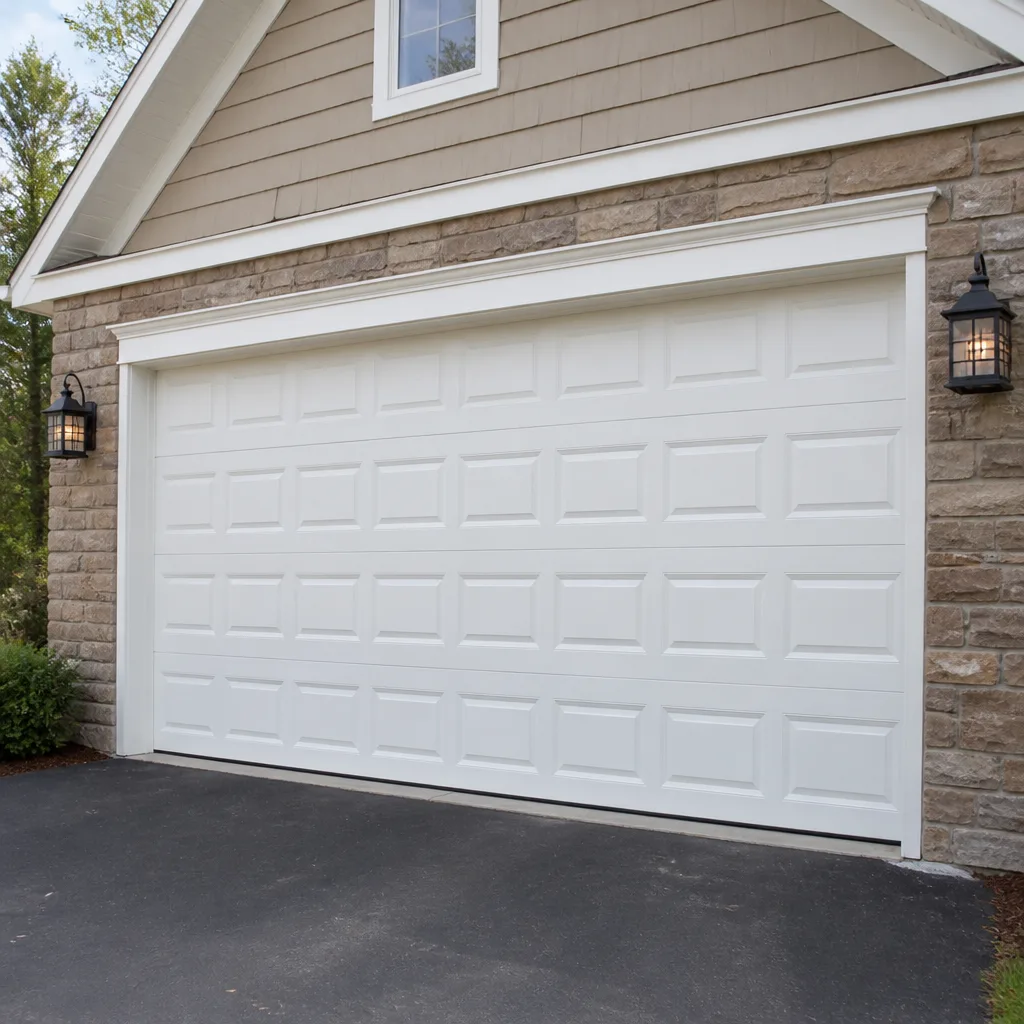 Raised-panel steel
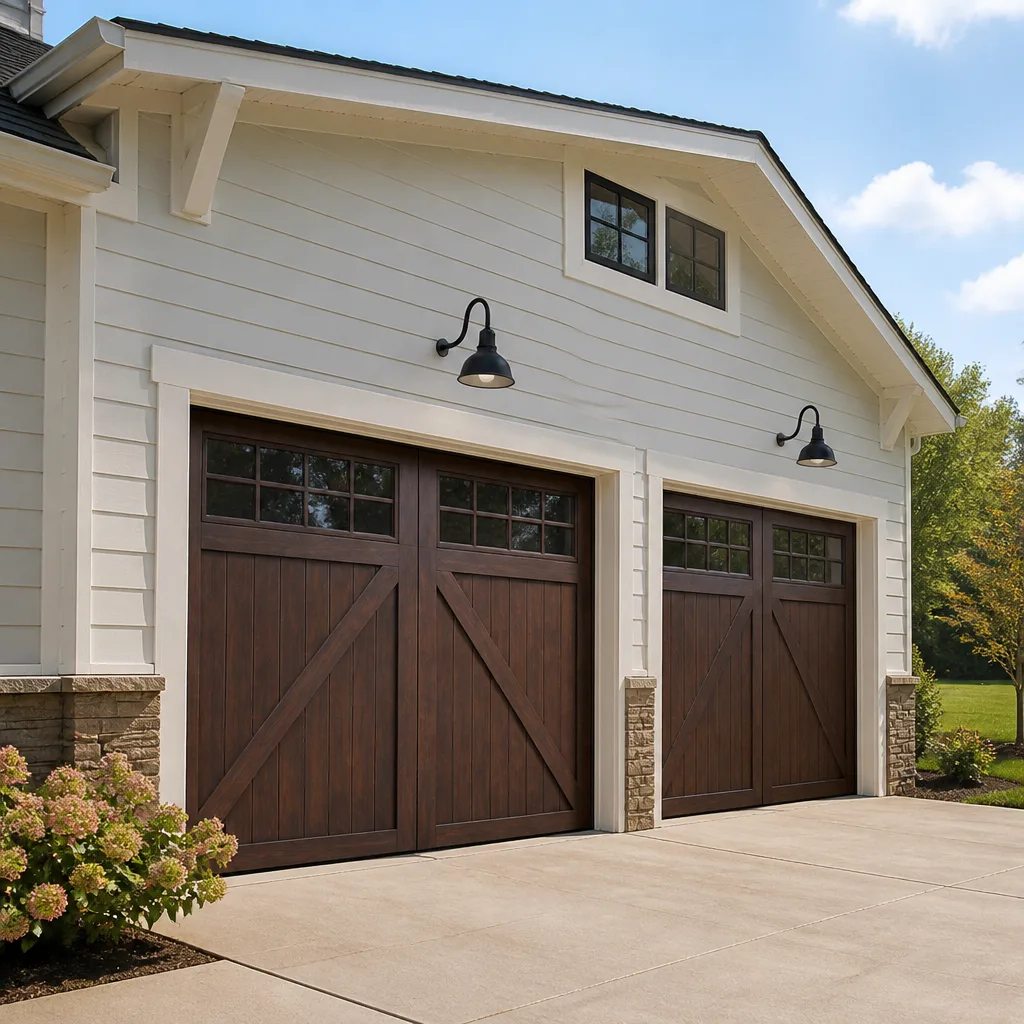 Carriage house
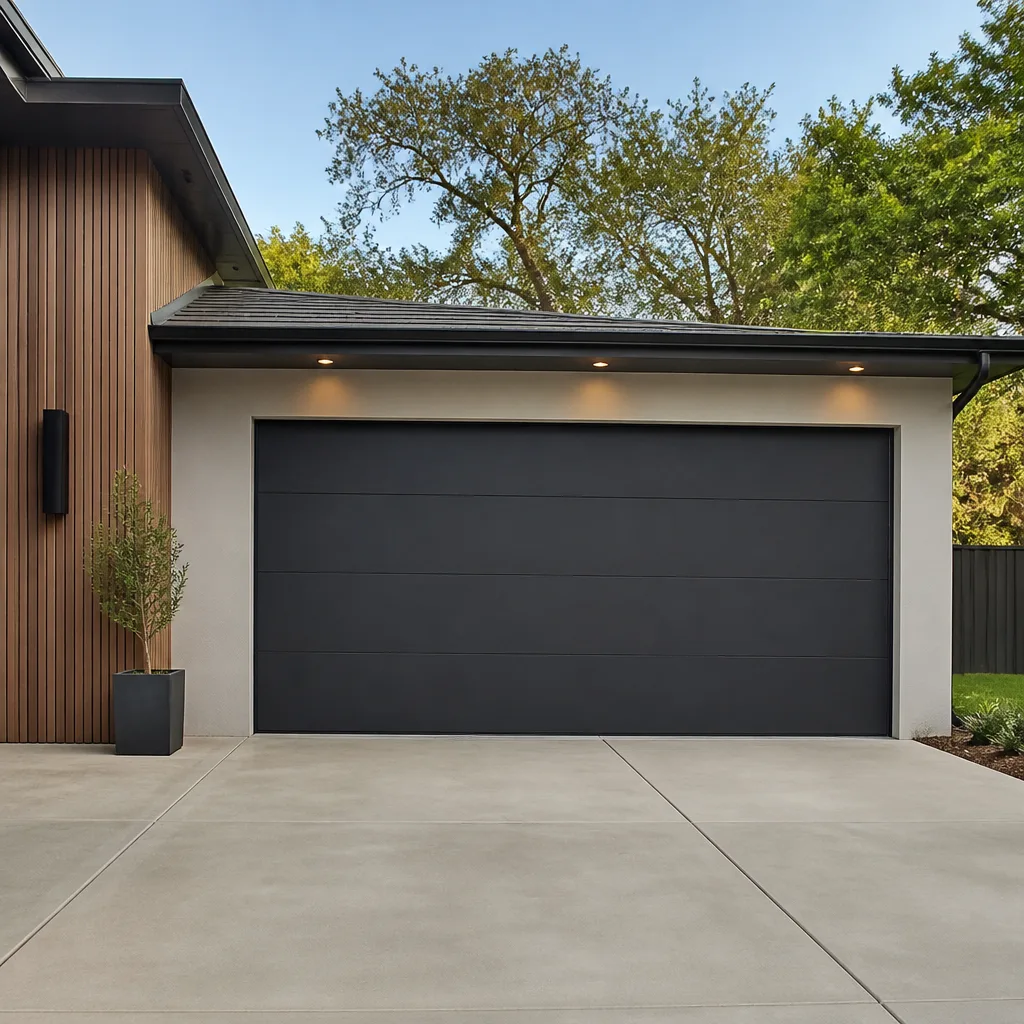 Modern flush
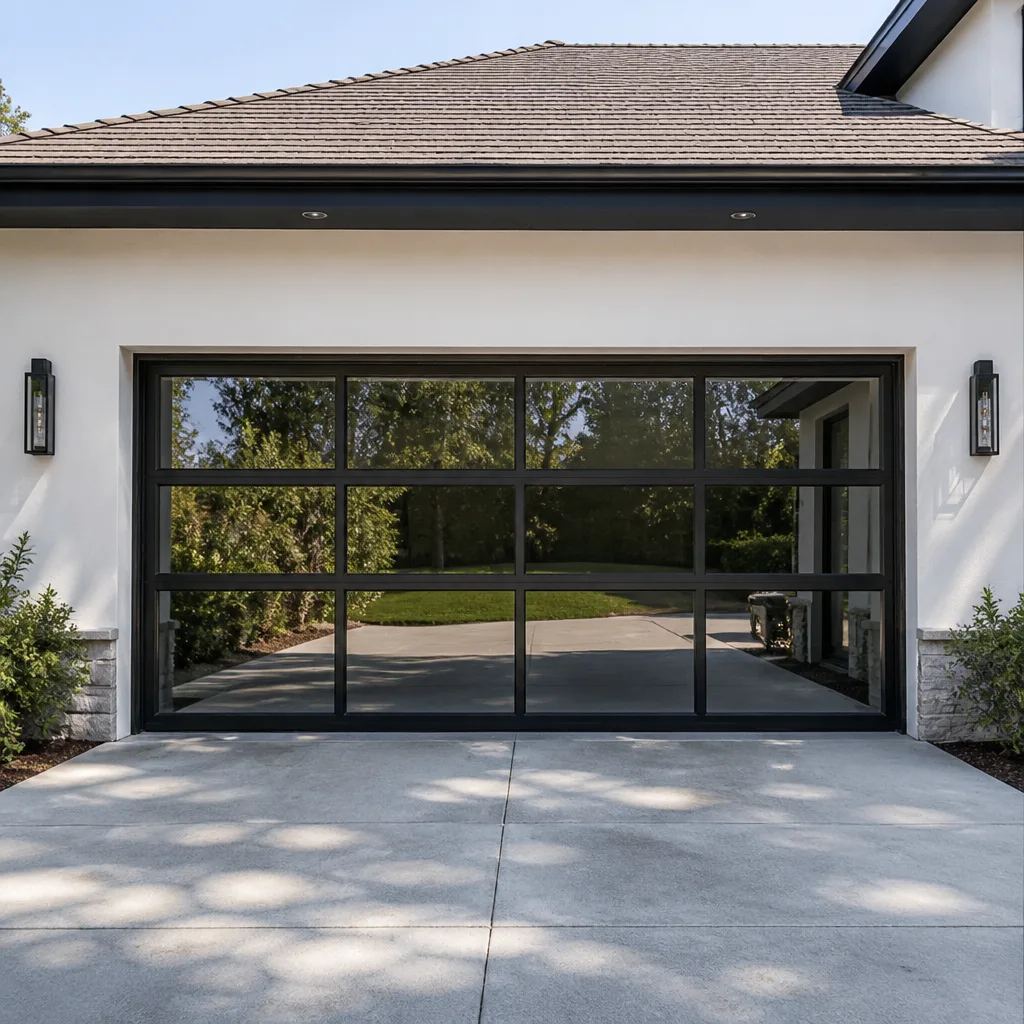 Full-view glass
 LiftMaster openers
 Chamberlain openers
Full 25-point door and opener safety check with every visit - springs, cables, rollers, tracks, and your LiftMaster or Chamberlain opener included
You get a price before we start. It does not change when the pro arrives.
Get your free estimateGarage Door Repair Maintenance Schedule: What to Do and When
Most garage door advice tells you to “service it once a year and you’re fine.” That schedule is the reason so many doors in Tuscaloosa fail on a schedule nobody plans for. The average two-car door opens and closes more than 1,500 times a year, and the parts inside it don’t wear evenly. Springs lose tension at a rate tied to cycle count. Rollers flatten and develop flat spots. Seals crush down against a hot slab and stop sealing. A flat annual checklist treats all of these the same, which means the parts that wear fastest get the least attention. This guide gives you a task-by-task calendar built around how each component actually ages, plus the two seasons in Tuscaloosa that speed the process up.
Quick Answer
A realistic garage door maintenance schedule is monthly for a 30-second balance and safety check, every six months for lubrication and hardware tightening, and once a year for a full professional tune-up. Springs and cables don’t follow a calendar at all; they follow cycle counts, so you track them by how the door behaves rather than by the date. In Tuscaloosa, the two tune-up windows that matter most are early spring and early fall, when temperature swings stress spring tension and door seals.
Styles & brands we work with
- Raised-panel steel
- Carriage house
- Modern flush
- Full-view glass
- LiftMaster openers
- Chamberlain openers
Table of Contents
- Why a Flat Annual Checklist Fails
- Component-Specific Service Intervals
- Spring and Fall: The Two Critical Tune-Up Windows in Tuscaloosa
- The Lubrication Guide: What to Use, Where, and What Not to Use
- The 30-Second Monthly Balance Test
- Cables, Rollers, and Hinges: The Wear Parts Nobody Checks
- Maintenance Tasks That Void Manufacturer Warranties
- Common Mistakes to Avoid
- When to Call a Professional
- Frequently Asked Questions
Why a Flat Annual Checklist Fails
Garage door components don’t age at the same rate, and they don’t age on a calendar. A torsion spring rated for a set number of cycles doesn’t care whether it took two years or six to get there. What matters is how many times the door went up and down. A household where someone leaves for work at 6am and comes back at 6pm, plus a few trips out on Sunday, racks up cycles far faster than a retired couple who open the door twice a day. Two identical doors on the same street in Tuscaloosa can be at completely different points in their service life.
That’s why the useful schedule is layered rather than annual. Think of it as three tiers stacked on top of each other:
- Monthly: a quick balance and safety check you can do in under a minute. This catches opener strain before it becomes a motor failure.
- Every six months: lubrication, hardware tightening, and a visual pass over rollers, hinges, and the seal. This is the work that slows wear.
- Annually: a full professional tune-up that includes spring and cable inspection, track alignment, and opener force and travel adjustment.
- By cycle count: springs and cables, replaced based on how the door behaves rather than the date on the wall.
We’ve seen this pattern enough in Tuscaloosa to trust it: the homeowners who do the small monthly check almost never call us for a snapped spring that took a cable with it. The ones who wait until something sounds wrong usually find two worn parts instead of one. One failing component puts extra strain on the parts around it, so a worn roller drags on the track, the opener works harder, and the motor runs hot longer on every cycle. The repair grows.
Component-Specific Service Intervals
Here’s the part most checklists skip: each component has its own wear pattern, and the interval should match it. This table reflects how these parts actually age on doors we work on across Tuscaloosa, not what a generic homeowner guide tells you.
| Component | What Drives Wear | Service Interval |
|---|---|---|
| Springs (torsion or extension) | Cycle count, not time | Inspect every 6 months; replace at end of rated cycles or first sign of sag, gap, or uneven lift |
| Cables | Cycles, plus lubrication and drum condition | Inspect every 6 months; replace when frayed, kinked, or showing slack |
| Rollers | Cycles and track condition | Lubricate every 6 months; replace steel rollers with nylon when they flatten or grow noisy |
| Hinges | Cycles and moisture | Lubricate every 6 months; replace when loose, seized, or visibly worn at the pin |
| Weather seal (bottom) | Heat, sun, and contact with the slab | Check every 6 months; replace when cracked, hardened, or no longer touching the floor evenly |
| Opener drive (belt, chain, or screw) | Cycles and lubrication | Inspect annually; adjust tension and lubricate chain drives per the manual |
| Photo-eye safety sensors | Alignment and dust | Test monthly; wipe lenses every 6 months |
The big shift in thinking is springs and cables. They aren’t calendar parts. A torsion spring installed on a door in Tuscaloosa may last years in a low-cycle household and far less in a busy one. Track their condition, not their age. If you’re not sure whether a spring is near the end of its life, that’s a question for a technician with the door in front of them. We’ll cover why you shouldn’t judge that yourself in the warranty section below.
Spring and Fall: The Two Critical Tune-Up Windows in Tuscaloosa
If you only do two things a year, do them in early spring and early fall. Tuscaloosa’s climate makes those two windows the ones that matter, and the reason is temperature.
Metal expands and contracts with heat. A torsion spring under load behaves differently in a 95-degree July than in a 40-degree January morning, and the tension the spring holds shifts with it. A door that balanced perfectly in October can feel heavy or sluggish by February, and a door that ran quiet all summer can start to drag as the temperature drops. The spring hasn’t necessarily failed. It’s responding to the swing. The fall tune-up sets the door up for the cold months; the spring tune-up rechecks it as things warm up.
The bottom seal is the other seasonal casualty. That rubber strip compresses against a concrete slab that gets hot in the summer sun and cold in winter. Over a full year of that cycle, it hardens, cracks at the edges, and stops making contact. In Tuscaloosa you’ll notice it first as daylight under the door, then as water and insects finding their way in. A seal that’s no longer sealing isn’t doing its job. Replacing it is a quick job compared to the water damage a failed seal lets in.
So the seasonal schedule looks like this:
- Early spring: full professional tune-up, balance check, seal inspection, lubrication refresh after the cold months.
- Mid-summer: a quick look at the seal and a listen for new noises, since heat is at its peak.
- Early fall: second full tune-up, spring and cable inspection, opener force adjustment for colder operation.
- Winter: monthly balance test continues; watch for sluggish lift on cold mornings.
We work on doors all over Tuscaloosa, and the seasonal pattern holds whether the door faces a shaded driveway or full afternoon sun. Neighborhoods with older homes and original doors feel it more, because older hardware has less tolerance for temperature swings than newer equipment. If your door lives in one of those older homes, the fall tune-up is the one not to skip.
The Lubrication Guide: What to Use, Where, and What Not to Use
Lubrication is where well-meaning homeowners do the most damage. The single biggest mistake is reaching for WD-40 on the rollers. WD-40 is a solvent and water displacer, not a lubricant. Sprayed on a roller, it washes out whatever lubricant is inside the bearing and leaves the roller running dry. That shortens the roller’s life and makes it noisy faster, not slower. Use it to loosen a rusted bolt, not on moving parts.
The right products and the right places:
- Rollers, hinges, and bearing plates: a silicone-based or white lithium grease. A light coat, not a flood. Wipe off the excess so dust doesn’t collect.
- Torsion spring (if accessible and safe to reach): a purpose-made garage door spring lubricant. Never crawl up to a wound spring to do this yourself; that’s a job for someone trained to be near it.
- Chain-drive opener: a chain-specific lubricant per the opener manual, applied sparingly. Over-lubricating a chain attracts grit.
- Belt-drive opener: usually no lubrication needed; check the manual for your specific model.
- Bottom seal: a silicone spray on the rubber keeps it pliable and slows cracking. Never use an oil-based product on the seal.
- Tracks: don’t lubricate them. Tracks should be clean and dry. Grease in a track collects dirt and makes the rollers drag.
Twice a year is enough for lubrication in this climate. Do it right after the spring tune-up and again after the fall one, so the fresh lubricant carries you into the temperature extremes. If your opener is a LiftMaster, Chamberlain, or Genie, the manual has model-specific guidance, and our garage door opener repair service can sort out anything the manual leaves ambiguous. We know these units well enough to tell you whether a noise is a lubrication issue or a failing component.
See the difference
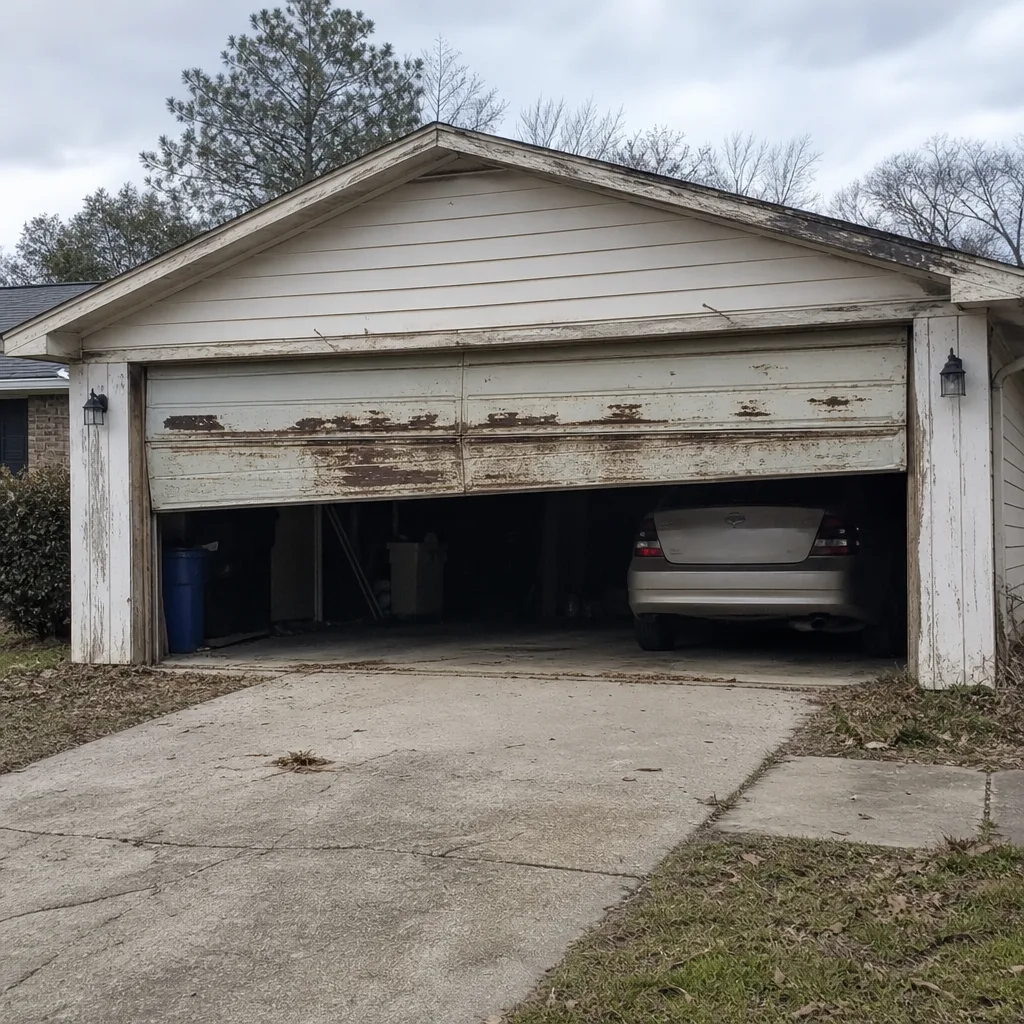 Before
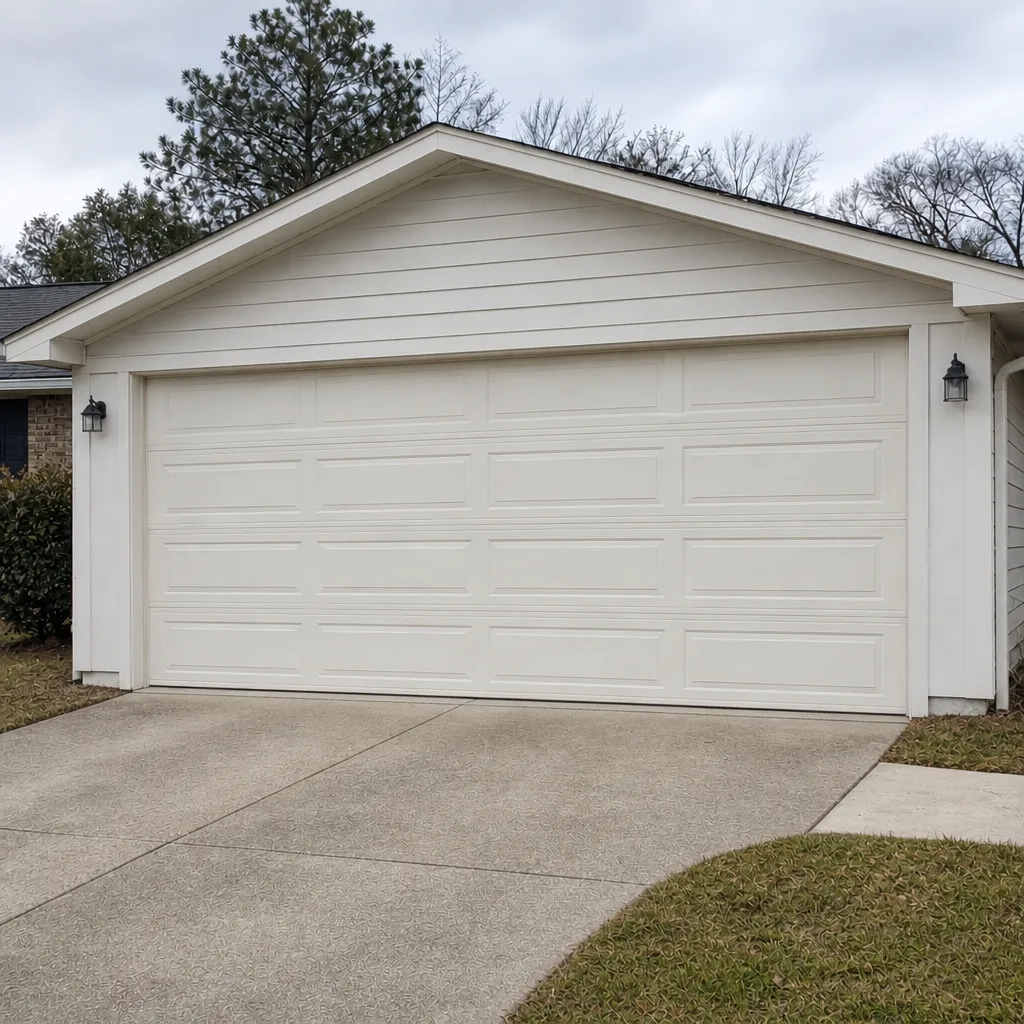 After
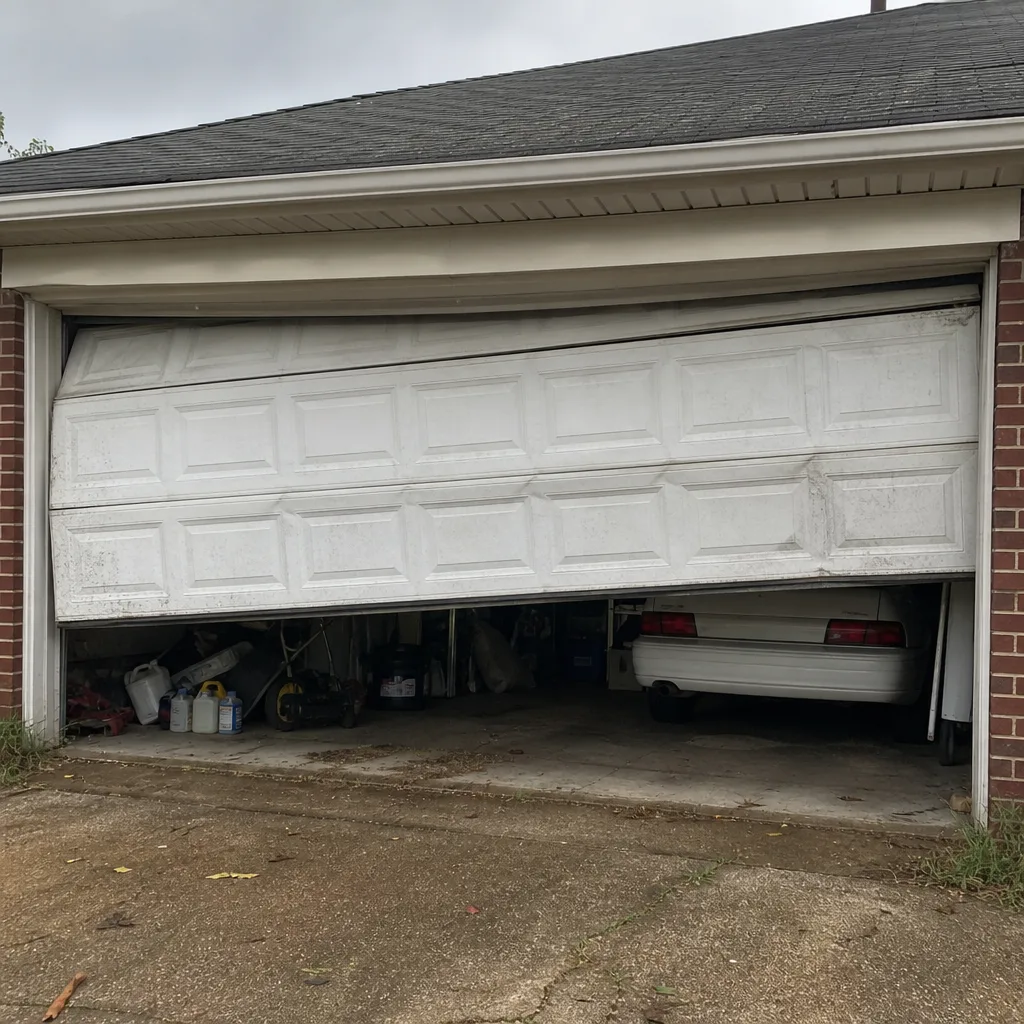 Before
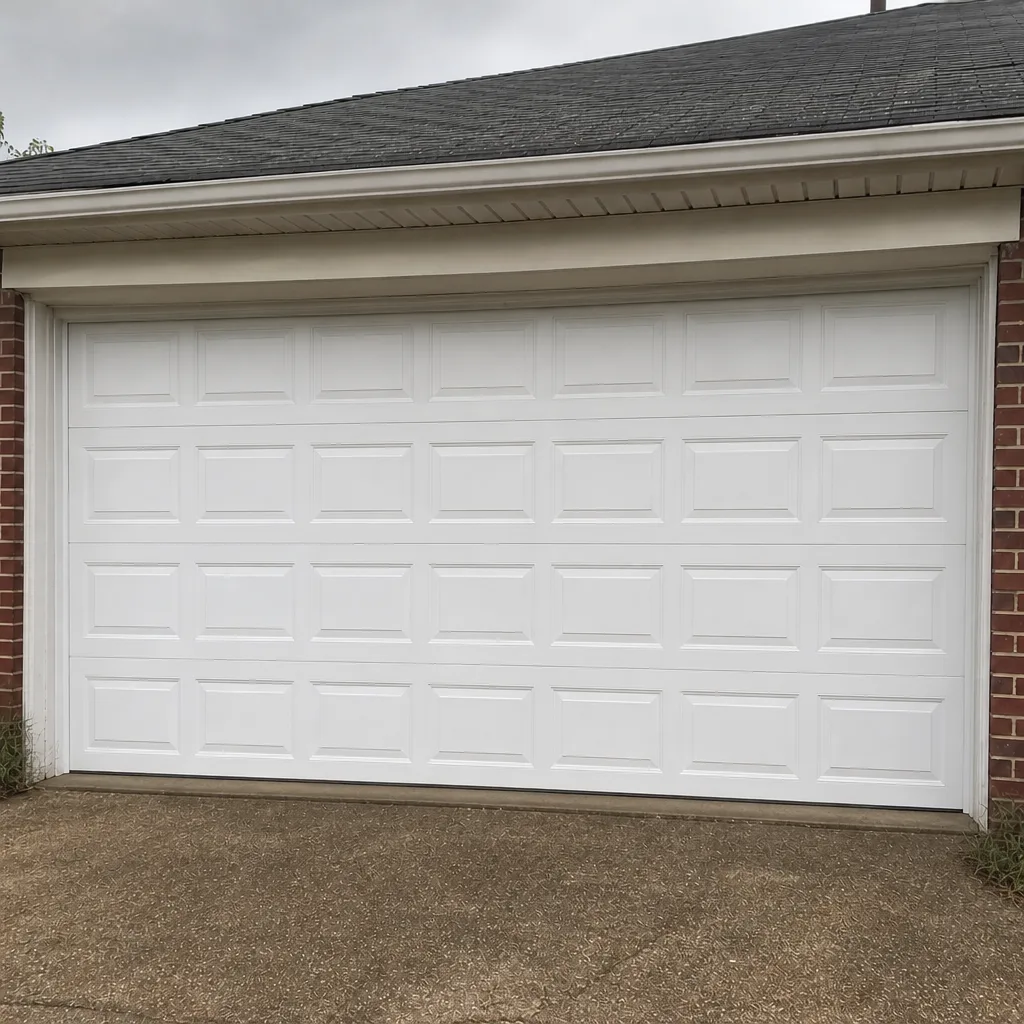 After
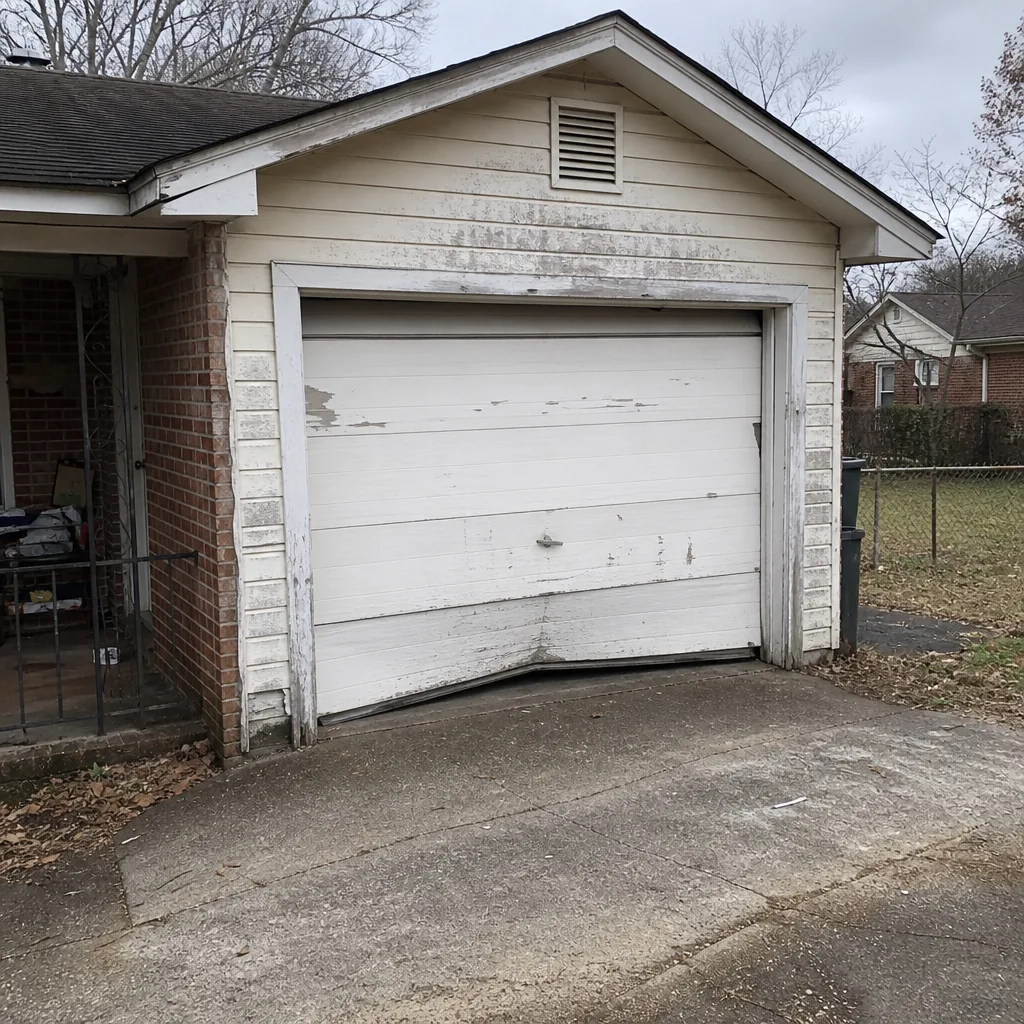 Before
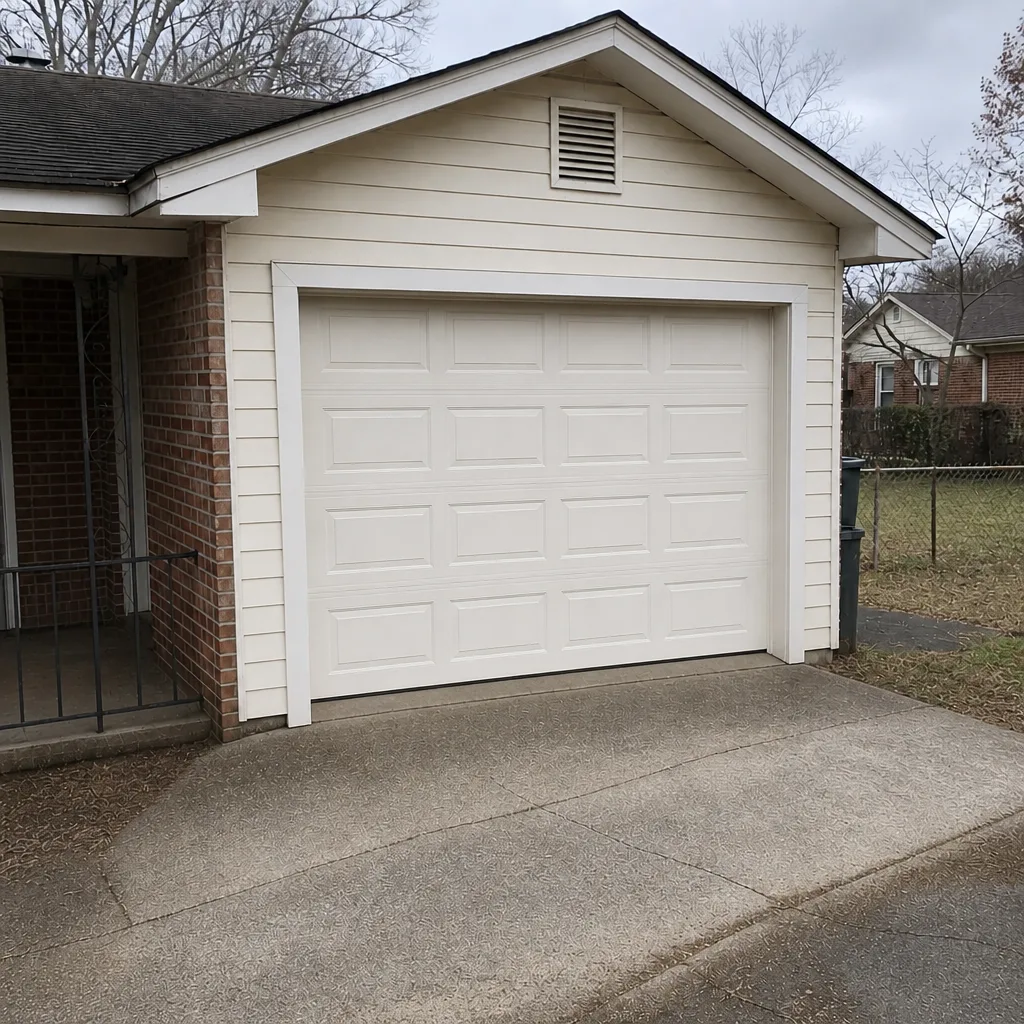 After
The 30-Second Monthly Balance Test
This is the single most useful thing you can do all year, and it takes half a minute. A door that’s out of balance makes the opener do work the springs should be doing, and that’s what kills opener motors early.
Here’s how to run it:
- Close the door and pull the manual release cord to disconnect the opener. The door should now move by hand.
- Lift the door to about waist height and let go. A balanced door holds its position, or drifts only slightly.
- If it drops, the springs have lost tension and the opener has been carrying the load. If it rises, the springs are over-tensioned.
- Reconnect the opener by running it until the carriage re-engages, then open and close once to confirm.
A door that fails the balance test is telling you the opener is straining. Left alone, that strain shows up as a motor that runs hot, a gear that strips, or a drive that fails. The Ashby Garage Door Repair team treats a failed balance test as an early warning, not a final verdict. We diagnose the spring, the opener, or both before recommending anything. A Clopay or Amarr door that’s out of balance usually points to the spring; a Wayne Dalton with a noisy opener could be either. The test is how you find out which, months before the motor gives out.
Do this once a month and you’ll catch spring wear early. And if a spring or cable ever looks kinked or frayed while you’re up there, stop and call us. Those parts are under serious tension, and a wound torsion spring can cause a severe injury if handled by someone without the training and the right tools to release it safely.
Cables, Rollers, and Hinges: The Wear Parts Nobody Checks
Everyone watches the springs. The parts that take down a door in a less obvious way are the cables, rollers, and hinges, and they’re the ones most homeowners never look at.
Cables. A cable is what keeps the door level and connected to the spring tension. They fray at the drum and at the bottom bracket over time. A frayed cable is a cable that can snap, and a snapped cable can whip loose. Don’t inspect this one by hand. Look at it from a safe distance; if you see fraying, kinks, or slack, it needs a technician. A Genie or Chamberlain opener won’t tell you a cable is failing, so you have to look.
Rollers. Rollers slide along the track every cycle. Steel rollers develop flat spots and grow noisy. Nylon rollers run quieter and last longer, which is why most new doors ship with them. A roller that’s stopped turning is dragging on the track and wearing both parts faster. If you hear a grinding or scraping that gets worse month over month, check the rollers before you blame the opener.
Hinges. Hinges at the section joints wear at the pin, and a worn hinge lets the door sag and the sections drift out of alignment. A quick visual pass every six months catches a hinge that’s loose or seized before it causes the door to rack. Lubricating the hinges at the same time is the cheap fix that prevents the expensive one.
These three parts are the ones most likely to turn a simple garage door repair into a bigger job. One worn roller adds strain to the track; one seized hinge pulls the door out of square. Catching them at the six-month mark is how you keep a small fix small.
Maintenance Tasks That Void Manufacturer Warranties
This is the section to read carefully before you touch anything on the list. Some maintenance protects your warranty. Done wrongly, a few tasks can void it, and those are the ones to hand off to a technician.
Manufacturers build warranty terms around professional installation and adjustment. The tasks most likely to create a coverage problem if done incorrectly:
- Spring tension adjustment. Torsion and extension springs are matched to the door’s weight. Adjusting tension by hand, without the right winding bars and training, can over-tension the spring and cause it to fail early or break. It can also void coverage tied to correct installation.
- Opener force and travel limit settings. The force settings and travel limits are adjusted at installation and tied to the door’s weight. Wrong settings make the opener work harder and stress the drive. Adjust them incorrectly and you can burn out a motor that was fine.
- Track alignment. Tracks look simple. Bend one slightly out of alignment and the door binds, which wears the rollers and hinges. Track adjustment is covered by most professional installs; a homeowner doing it by feel is how doors get racked.
- Cable replacement. Cables are under tension and matched to the spring system. This is a two-person, trained job, and a cable installed without the right tension can leave the door unbalanced and unsafe.
The pattern is clear: anything involving tension, springs, or cables is a job for someone trained to do it. The manufacturer’s warranty on a Clopay or Amarr door is written around proper installation and service, and doing it yourself is often how coverage gets complicated. When in doubt, hand it off. If it turns out there’s a repair under the warranty, a garage door specialist is also the person who can tell you whether a claim is worth pursuing.
Common Mistakes to Avoid
These are the ones we see repeated in Tuscaloosa, and each one turns a small task into a repair call.
- WD-40 on the rollers. It’s a solvent, not a lubricant. It strips the grease out of the bearing and the roller runs dry from then on.
- Greasing the tracks. Tracks should be clean and dry. Grease collects grit, and grit wears rollers and track paint faster than dry metal ever would.
- Ignoring a failed balance test and “just living with it.” Every cycle a strained opener runs, it wears the motor and drive a little faster. The motor fails eventually, and it fails without warning.
- Adjusting spring tension by hand. Springs are wound under real tension. Winding bars, training, and a second person are all part of the job for a reason. This is one to leave to a technician, both for your safety and your warranty.
- Replacing a single noisy roller and calling it done. Rollers wear as a set. One new roller among worn ones leaves the door unbalanced. Have them all checked at the same time.
- Skipping the fall tune-up because the door “sounded fine all summer.” The temperature swing is exactly when a marginal spring or seal starts to fail, and it fails after the tune-up window has passed.
- Assuming a noisy opener is a dying opener. Often it’s a roller, hinge, or lubrication issue that a $30 fix would solve. A technician diagnoses the source first rather than selling you a new opener.
Getting one of these wrong won’t necessarily break the door right away. But each one shortens the life of a part that’s supposed to last, and the repair bill lands months later. The task worth doing right is the small one.
When to Call a Professional
Some jobs are DIY and some aren’t, and the line isn’t about difficulty; it’s about tension and safety. Call a professional when:
- A spring is sagging, gap-toothed, or visibly loose, or the door fails the balance test twice in a row.
- A cable is frayed, kinked, slack, or won’t stay in the drum.
- The opener runs but the door doesn’t move, or it moves unevenly.
- You hear grinding that gets worse over a month of checks.
- You need a track straightened, an opener force setting changed, or a full tune-up.
- Anything involving the spring system, which you should never touch by hand.
Any of those is a signal to bring in someone who works on doors every day. Ashby Garage Door Repair offers free estimates in Tuscaloosa. We work exclusively on garage doors, so we diagnose the real cause before recommending parts. Eight major brands, one focused team: LiftMaster, Chamberlain, Genie, Clopay, Amarr, Wayne Dalton, Craftsman, and Raynor. Call (855) 758-0653. We answer 24/7. Fast dispatch from 7am to 7pm, Sunday through Friday.
Frequently Asked Questions
Once a year for a full professional tune-up, with a six-month lubrication and hardware check in between. In Tuscaloosa, schedule the tune-up for early spring and early fall so the door is adjusted for the temperature swings. Call (855) 758-0653 for a free estimate.
Springs need replacing when they sag, show a visible gap, or fail the balance test, not on a set date. Springs wear by cycle count, so track how the door behaves rather than how old it is. If the door drops when you lift it to waist height and let go, call a technician. Call (855) 758-0653 for a free estimate.
Lubricating rollers, hinges, and the seal is safe and worth doing. Adjusting spring tension, cables, tracks, and opener force settings is not; those involve tension and are the tasks that can void a warranty or cause injury. Leave them to a technician. Call (855) 758-0653 for a free estimate.
Cold temperatures shrink metal and stiffen lubricant, which makes a door with worn rollers or hinges sound louder. A fall tune-up with fresh lubrication and a hardware check usually quiets it. If the noise continues, a technician can find the worn part. Call (855) 758-0653 for a free estimate.
Yes. A worn spring, roller, or hinge makes the opener work harder on every cycle, and that extra strain is what wears out opener motors and drives. The monthly balance test is how you catch it early. Our opener repair team gets called for motor failures that start as worn rollers. Call (855) 758-0653 for a free estimate.
A bottom seal is one of the few maintenance tasks most homeowners can do safely, since it doesn’t involve tension. The catch is getting the right profile for your door, and a seal that doesn’t sit flush still lets air and water in. If you’re not sure which seal your door takes, ask before you buy. Call (855) 758-0653 for a free estimate.
The Bottom Line
A maintenance schedule that works is built around wear, not dates. Springs and cables follow cycle counts, so you watch how the door behaves and run the monthly balance test to catch trouble early. Rollers, hinges, seals, and lubrication follow a six-month rhythm, and the spring and fall tune-ups are the two windows that matter most in Tuscaloosa because of the temperature swing. The tasks that involve tension are the ones to hand off, both for your safety and to protect your warranty. Do the small checks yourself, book the tune-ups on time, and a door keeps working for years.
If your door has been making noises you’ve been meaning to look into, or the last tune-up is a distant memory, call Ashby Garage Door Repair at (855) 758-0653 for a free estimate. We answer 24/7. Fast dispatch from 7am to 7pm, Sunday through Friday. Every price is quoted and agreed before any work starts, so there are no surprises on the bill.
Written by the team at Ashby Garage Door Repair.