
Last updated November 15, 2026
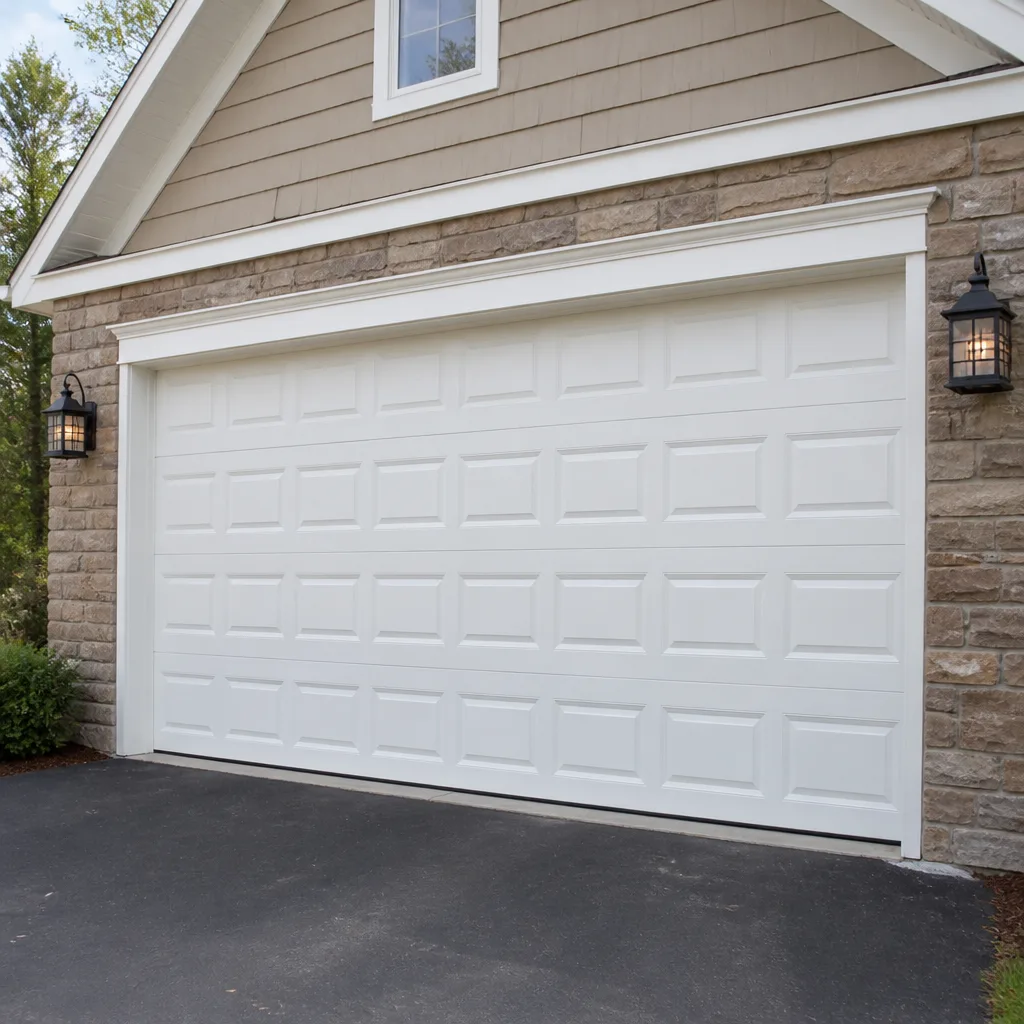 Raised-panel steel
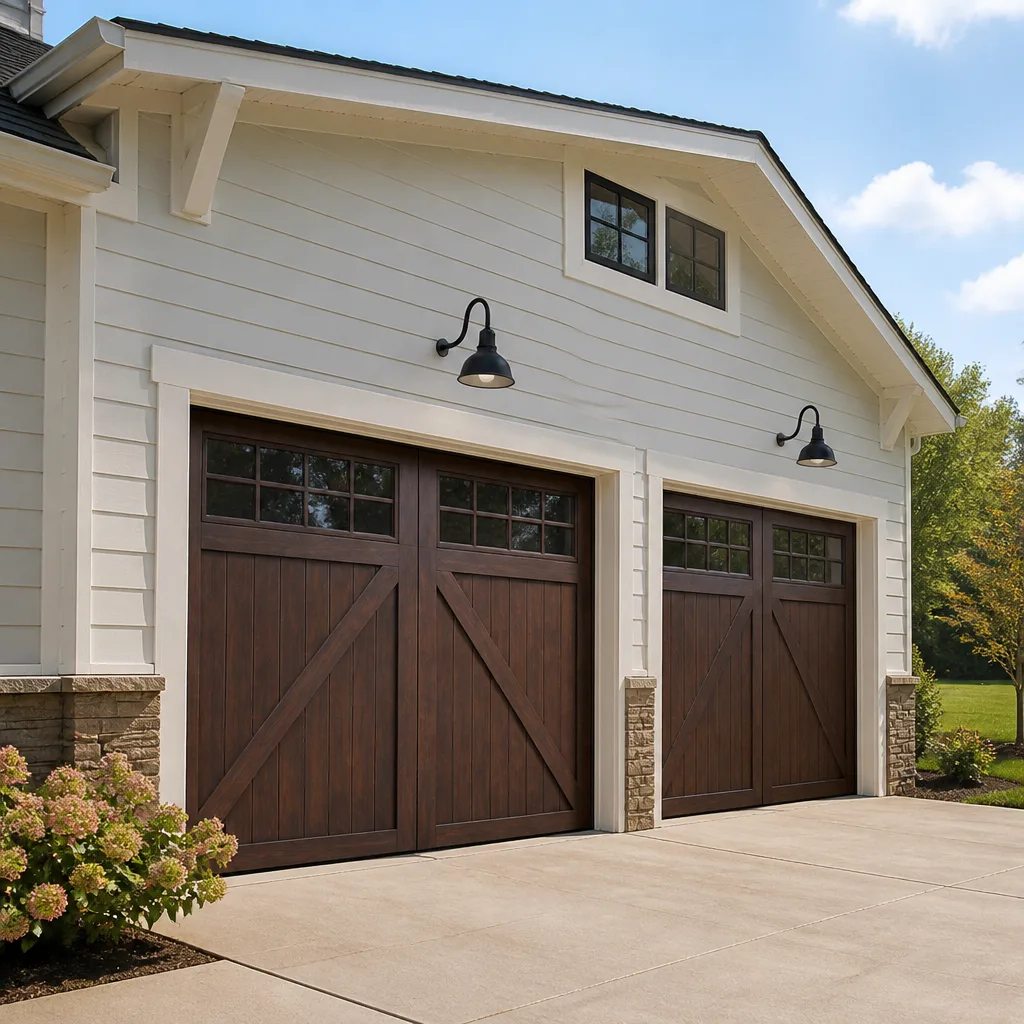 Carriage house
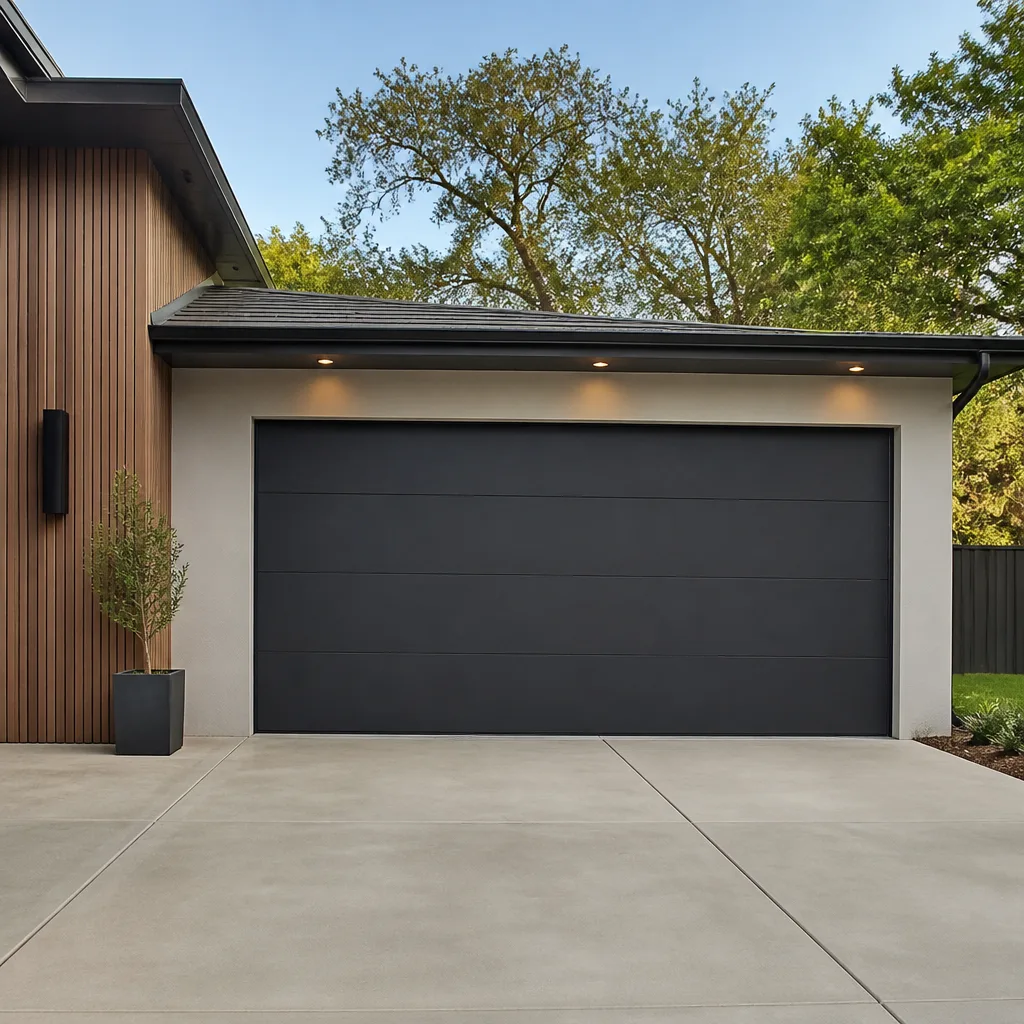 Modern flush
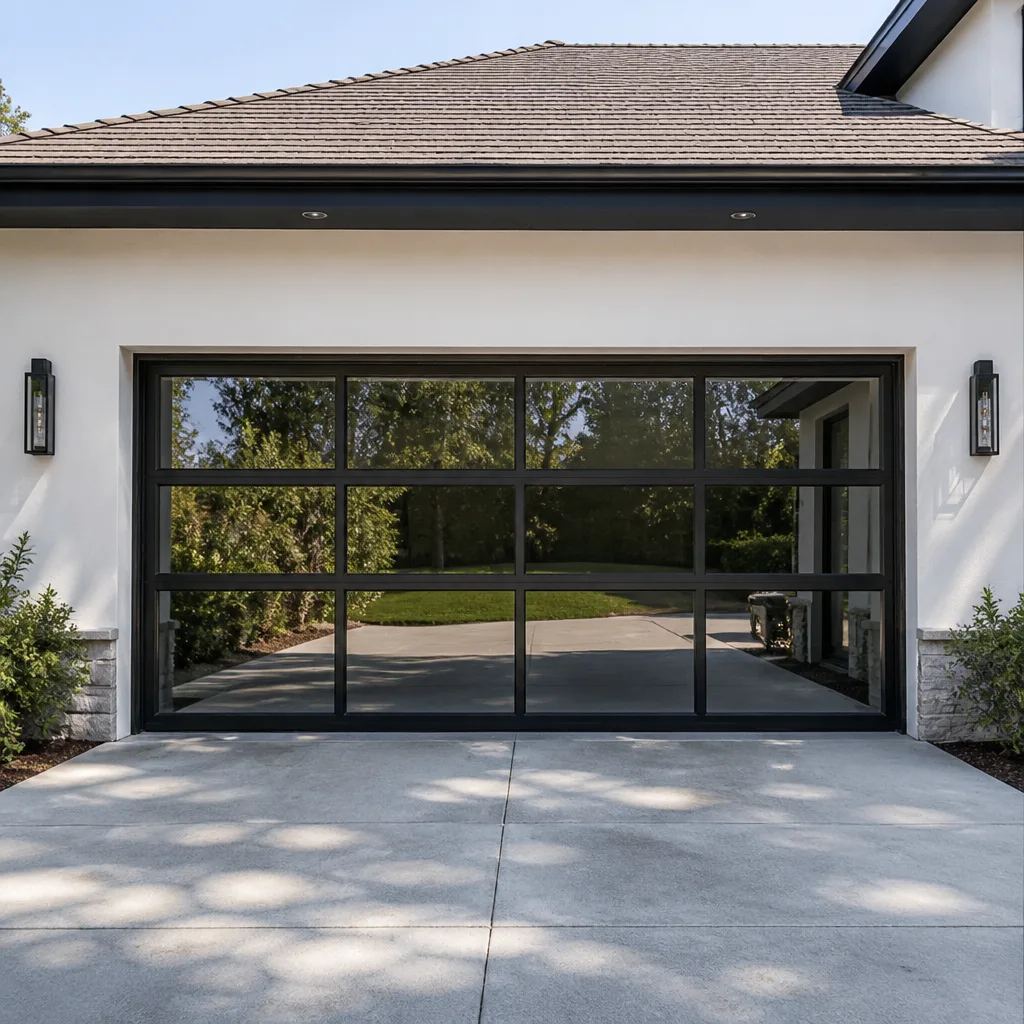 Full-view glass
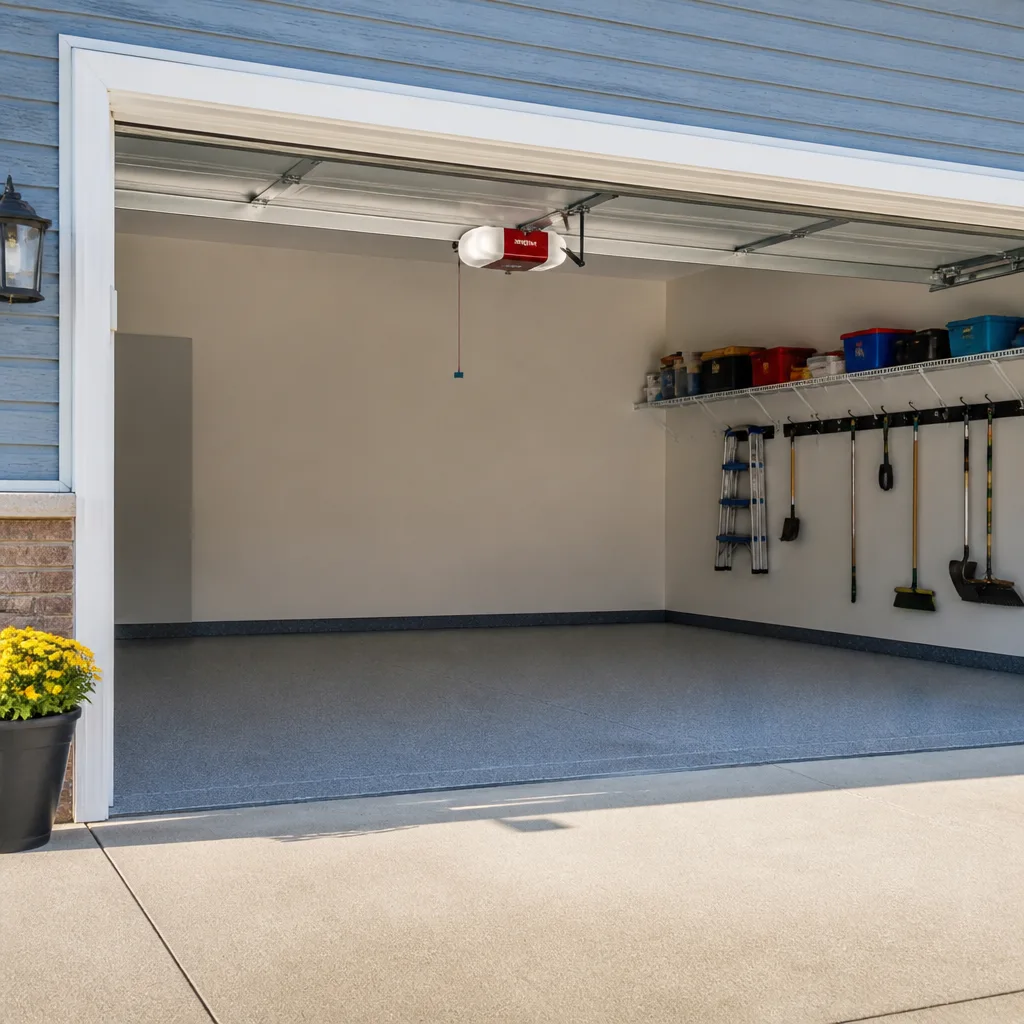 LiftMaster openers
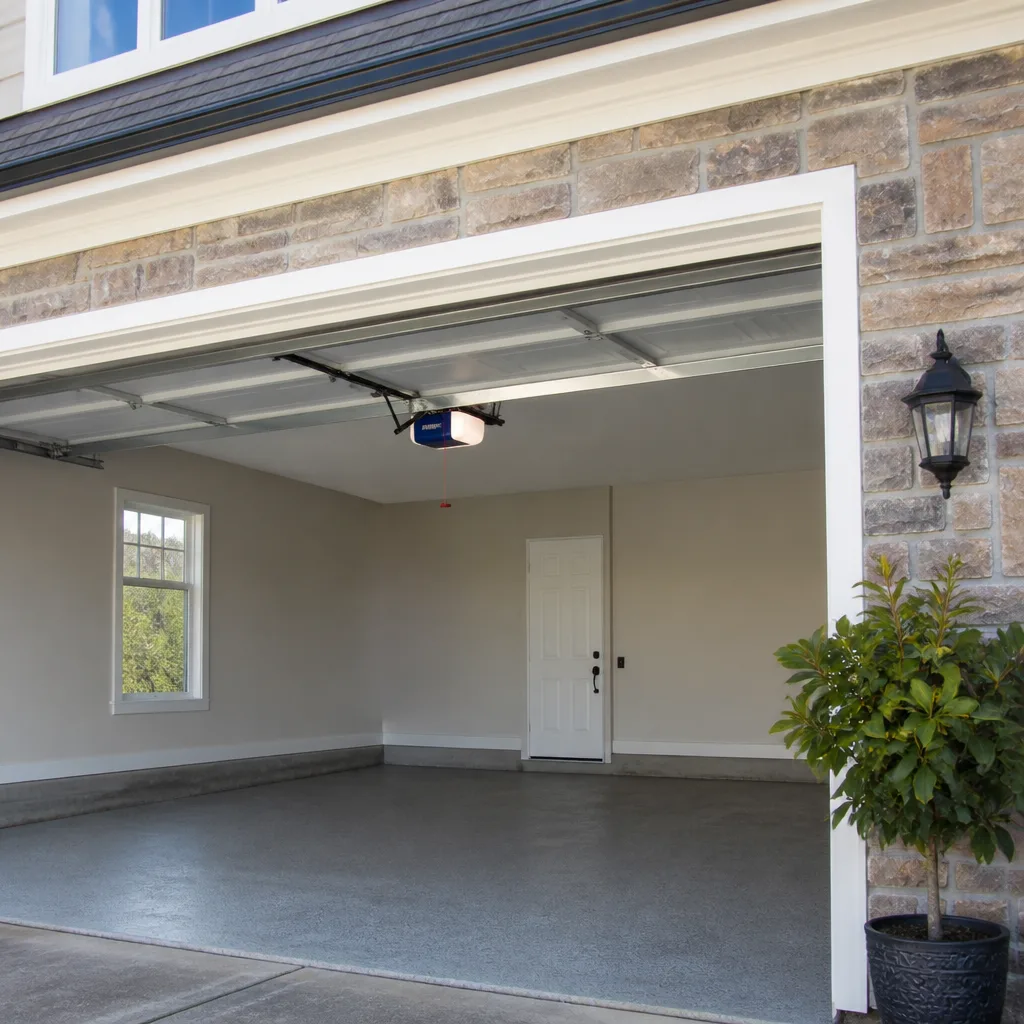 Chamberlain openers
Full 25-point door and opener safety check with every visit - springs, cables, rollers, tracks, and your LiftMaster or Chamberlain opener included
You get a price before we start. It does not change when the pro arrives.
Get your free estimateHow to Hire a Garage Door Contractor in Tuscaloosa: A Step-by-Step Guide
A garage door spring replacement takes a specialist about 45 minutes. So when an estimate shows up with a two-hour labor charge stapled to it, something in the math doesn’t add up. Most homeowners never catch it, because they’re comparing bottom-line totals instead of reading what’s inside each line. This guide walks through the questions to ask before anyone touches your door in Tuscaloosa: how to verify licensing and insurance, how to spot red-flag language in a quote, how to compare bids that spec different parts, and how to get warranty exclusions in writing before you sign.
Quick Answer
Hiring a garage door contractor in Tuscaloosa comes down to three moves: verify that the company holds the right Alabama license and carries liability and workers’ comp insurance, insist on a written itemized quote with brand and model numbers before work begins, and get warranty terms in writing, including what’s excluded. A legitimate specialist will hand over all three without being asked twice. A company that gets evasive on any of them is telling you something.
Styles & brands we work with
- Raised-panel steel
- Carriage house
- Modern flush
- Full-view glass
- LiftMaster openers
- Chamberlain openers
Table of Contents
- What License and Insurance Does a Garage Door Contractor Need in Alabama?
- How Do You Verify a Contractor Before Work Starts?
- What Should a Written Garage Door Quote Include?
- What Are the Red Flags in a Garage Door Quote or Invoice?
- How Do You Compare Quotes That Spec Different Parts?
- What Does a Garage Door Warranty Actually Cover?
- Why a Specialist Outperforms a General Handyman
- The Spring Question: Why Cheap Springs Cost More
What License and Insurance Does a Garage Door Contractor Need in Alabama?
Alabama does not issue a single statewide “garage door license,” and that’s exactly where homeowners get confused. What matters is whether the company carries general liability insurance, workers’ compensation coverage if it employs anyone, and whether it’s operating legally as a business in the state. Garage door work involves high-tension springs, overhead weight, and electrical connections on the opener side, so insurance isn’t a formality. If a spring lets go and someone gets hurt, or a door comes off its track onto a car, the coverage question turns real fast.
Ask direct questions, and don’t accept vague answers. Here’s what to request:
- Certificate of insurance for general liability, with the policy still active. Ask for the certificate itself, not a verbal “we’re covered.”
- Workers’ compensation coverage if the company sends employees rather than a single operator. If a worker is injured on your property and there’s no coverage, the liability question can land on you.
- Business registration in Alabama. A legitimate company can tell you how it’s registered without hesitation.
In our experience, the companies that resist these questions are the ones with something to hide. A specialist with a real business behind it will send over documentation the same day. The ones who say “we’ve been doing this forever, don’t worry about it” are asking you to take on risk you didn’t agree to.
One more note specific to Alabama: if the job involves any structural modification to the opening, header, or framing, that can cross into general contracting territory. A dedicated garage door specialist should be able to tell you where their scope ends. If a job requires carpentry or structural work beyond the door system, ask who’s handling that piece and confirm they’re licensed for it. For standard repair and replacement of the door, tracks, springs, and opener, you’re in garage door territory, not general construction.
How Do You Verify a Contractor Before Work Starts?
Verification takes about ten minutes and saves months of headaches. Do it before you schedule, not after the technician is standing in your driveway with a wrench. Here’s the sequence we recommend to homeowners in Tuscaloosa:
- Ask for the insurance certificate by email. Read it. Confirm the policy dates haven’t lapsed and the business name matches the name on the quote.
- Search the business name in Alabama’s state business records. Confirm the entity exists and is active. A company that can’t be found is a company that can’t be held accountable.
- Call the insurance agent listed on the certificate. Ask if the policy is current. It takes one phone call and it’s the single best check you can run.
- Ask whether the technicians are employees or subcontractors. Both can be legitimate, but you should know who’s on your property and who’s carrying the insurance.
- Read reviews for patterns, not scores. One angry review happens to everyone. Repeated complaints about surprise charges, parts that failed early, or warranty claims that got denied tell you how the company operates.
None of this is insulting to a good contractor. A focused specialist expects it, because they’ve been burned by the reputation of the fly-by-night operators too. We work exclusively in garage doors, and that single-trade focus means our reputation in a market like Tuscaloosa is the whole business. We’d rather answer five verification questions up front than argue about an invoice later.
If you’re already dealing with a broken door and need help fast, you can skip ahead to what to expect from garage door repair, but still ask the license and insurance questions before anyone starts work.
What Should a Written Garage Door Quote Include?
A quote without brand names and model numbers is a number floating in the air. It can’t be compared, it can’t be held to, and it gives the contractor room to substitute whatever’s on the truck. A legitimate written estimate should spell out every component. Here’s the checklist:
- Brand and model of each part. “Standard torsion spring” means nothing. “Two 250×2″ x 33″ torsion springs, oil-tempered” tells you what you’re buying.
- Labor broken out separately from parts, or at least a clear statement of what the labor covers.
- Spring cycle rating. Standard springs are rated for a set number of cycles; high-cycle springs cost more and last longer. If the quote doesn’t say, ask.
- Opener details if included: brand, model, horsepower, belt or chain drive, and whether rail and hardware are in the price.
- Warranty terms on both parts and labor, with exclusions listed. Not implied.
- Disposal of the old door or parts, if applicable.
- Total price, stated as a fixed figure, with a note on what could change it (hidden rot, damaged framing) and what happens if it does.
Ask for the quote in writing before work starts, and confirm the price is agreed before any technician begins. That last point matters more than most homeowners realize. A verbal estimate is a suggestion. A signed written quote is a commitment. And if the company discovers something mid-job that changes the scope, they should stop and get your approval on the revised number, not surprise you at the end.
One more thing: a free estimate should actually be free. If a company charges a “diagnostic fee” and credits it back toward the work only if you book, that’s not a free estimate. It’s a booking tool. Plenty of companies use it, but you should know that’s what you’re looking at.
What Are the Red Flags in a Garage Door Quote or Invoice?
Red flags usually show up in language, not in price. A high number can be legitimate; a vague one is almost never a good sign. Watch for these:
- “Diagnostic fee” that disappears if you book. This is a booking pressure tactic dressed up as a service charge. Ask what the fee is for and whether it’s separate from the estimate.
- Parts listed with no brand or model. If you can’t tell what’s being installed, you can’t compare it to any other quote or verify what actually went on the door.
- Labor line items that don’t match the work. A torsion spring swap is a roughly 45-minute job for a trained technician. A two-hour labor line on that task deserves a question.
- Inflated part markups. A spring that retails for a modest amount shouldn’t show up as three times that in the parts line. Some markup is normal; some is a business model.
- Pressure language. “This price is good today only,” “we can’t guarantee this if you don’t book now,” “the parts are on the truck but we need a decision.” Real quotes don’t expire by dinnertime.
- Warranty that exists only verbally. If the warranty isn’t written on the quote or invoice, it doesn’t exist.
- “We’ll figure out the price after we see it.” For a broken spring or opener, the price should be knowable before the technician arrives. Diagnosis on-site is fine; discovery as a pricing strategy is not.
None of these are automatic proof of a bad company. But two or three showing up on the same quote is a pattern, and a pattern is what you should be shopping for. In our experience, the cleanest quotes are also the shortest. They say what’s being installed, what it costs, and what’s covered. That’s the whole document.
How Do You Compare Quotes That Spec Different Parts?
Two quotes for “a new garage door opener installation” can be $200 apart and not remotely comparable. One might spec a chain-drive unit with a lower cycle rating; the other a belt-drive with a quieter motor and a longer warranty. Same category of work, completely different product. To compare fairly, line up the components side by side.
| Component | What to Compare |
|---|---|
| Springs | Cycle rating, oil-tempered vs. standard, matched pair vs. single replacement, wire gauge |
| Cables | Gauge, rated load, whether they’re included with spring replacement or priced separately |
| Rollers | Nylon vs. steel, sealed bearings vs. open |
| Opener | Brand, model, horsepower, drive type (belt, chain, screw), rail included, safety sensors included |
| Door panels | Insulation R-value, gauge of steel, brand (Clopay, Amarr, Wayne Dalton, Raynor), finish warranty |
| Labor | What it covers, whether hauling old parts is included |
| Warranty | Parts vs. labor, length, exclusions |
Once the components are lined up, the pricing differences usually make sense. A quote that’s $150 lower often turns out to spec a lighter spring, a single-spring replacement where a matched pair was needed, or a lesser opener. The cheapest bid is usually the most expensive outcome, just delayed by a year or two.
If you’re comparing opener quotes specifically, know the difference between brands before you sign. A LiftMaster unit and a Craftsman unit at similar price points may have different warranties, different motor quietness, and different app compatibility. Ask each contractor which brand they’re quoting and why. A specialist should be able to explain the tradeoff in plain terms, not just push their house favorite. We work on all the major brands including LiftMaster, Chamberlain, Genie, and Craftsman, so the conversation isn’t steered by availability.
What Does a Garage Door Warranty Actually Cover?
Most garage door warranties look generous until you read the exclusions. The parts warranty on a spring, for example, often covers the spring itself but excludes the labor to replace it. Since labor is typically a large share of the total repair price, a warranty that “covers the spring” but not the installation can be worth far less than the customer assumes. That’s the trap.
Get these questions answered in writing before you sign off:
- Is the warranty on parts, labor, or both? A “lifetime” warranty on a spring that only covers the spring is a much smaller protection than the words suggest.
- What voids it? Common exclusions include installing aftermarket parts, failing to maintain the door, and water damage from an unattended leak.
- Is the warranty transferable? If you sell the house, does the new owner inherit the coverage? On a new door installation, transferable warranties are a real selling point.
- Who honors it? The installer, the manufacturer, or both? If the installer goes out of business, does the manufacturer warranty still stand?
- What’s the claim process? A warranty that requires a written claim and takes weeks to resolve is different from one that gets a technician to your door after a phone call.
None of this is adversarial. Every legitimate company has explanations. What you’re looking for is transparency. We’d rather tell you up front that the labor on a spring replacement isn’t warranty-covered than let you discover it when the spring fails.
Why a Specialist Outperforms a General Handyman
A handyman outfit can be a great choice for a lot of home projects. Garage doors aren’t one of them. The mechanics are unforgiving: high-tension springs under hundreds of pounds of force, cables rated to specific loads, an overhead track system that needs precision alignment, and an opener with safety sensors wired to reverse the door on contact. Each piece affects the others. A door that looks fine after a handyman install can chew through springs or drop off the track months later.
The pricing structures reflect this difference too. A generalist typically prices by the hour, which means the estimate is a guess until the work is done. A specialist prices by the job, based on a known scope and a specific parts list. That’s why you can get a fixed number from someone who works on garage doors all day and a range from someone who doesn’t.
- Diagnostic depth. A specialist knows the failure patterns across the major brands: LiftMaster, Chamberlain, Genie, Clopay, Amarr, Wayne Dalton, Craftsman, and Raynor. That range of experience means the diagnosis is based on pattern recognition, not shots in the dark.
- Parts knowledge. Knowing which spring cycle rating fits your door, which cable gauge is appropriate, and which opener pairs best with your existing setup is a specialty skill.
- Callback costs. When a generalist gets it wrong, the fix usually costs more than the original job. A specialist’s pricing already accounts for doing it right the first time.
In Tuscaloosa, we see plenty of homes with doors installed by general builders using entry-level components. That’s fine for a new build. It’s not fine when the spring fails and the door needs to be brought up to a better spec. A specialist can be honest with you about that tradeoff without pushing a full replacement you don’t need.
The Spring Question: Why Cheap Springs Cost More
Springs are where most garage door bids get fudged. They look identical from the outside, weigh the same, and are usually the cheapest line item in the quote, so it’s tempting to just go with the lower number. But spring quality drives how often you’ll be doing this again.
Three variables matter:
- Cycle rating. Springs are rated for a specific number of open-close cycles. Standard springs and high-cycle springs can look the same but last years apart. Ask what you’re getting.
- Single vs. matched pair. Most doors use two springs working together. When one breaks, replacing it alone is easier and cheaper, but the second often follows soon after. Replacing a matched pair up front usually costs less over time.
- Oil-tempered vs. cheaper wire. Oil-tempered springs resist fatigue longer. If the quote doesn’t specify, assume the cheaper option.
If you want to know more about the specific part, our garage door opener repair page covers the opener side of the system in more detail; the mechanical diagnoses overlap more than most homeowners expect.
For Tuscaloosa specifically, the summer humidity and heat are real factors in spring life. Springs work in a humid environment most of the year, which accelerates wear at the coil. Garage doors in older Tuscaloosa neighborhoods, particularly around Forest Lake and the historic districts, often sit on doors that were installed decades ago in smaller openings, which complicates the spring spec. A specialist who’s worked on those homes knows which spring sizes fit the older hardware and which ones require a conversion.
Common Mistakes to Avoid
- Comparing only the bottom-line totals. Two quotes are only comparable if they spec the same parts. Line up the components first, then compare prices.
- Skipping the insurance certificate. It takes one email and one phone call to verify. Skipping it means you’re accepting risk you didn’t sign up for.
- Accepting a verbal warranty. If it’s not written, it doesn’t exist. Get the warranty terms on the quote or invoice.
- Replacing a single spring when the pair is due. It saves a little up front and almost always costs more within a year or two.
- Choosing a contractor who “does everything.” A handyman who works garage doors once a month won’t spot the failure patterns a specialist sees weekly.
- Paying a diagnostic fee for an estimate. The estimate is either free or it isn’t. If the fee is credited back only on booking, it’s a booking tool.
- Booking the lowest bid without reading the line items. The lowest number almost always has the least-specified parts. Read what’s actually being installed.
See the difference
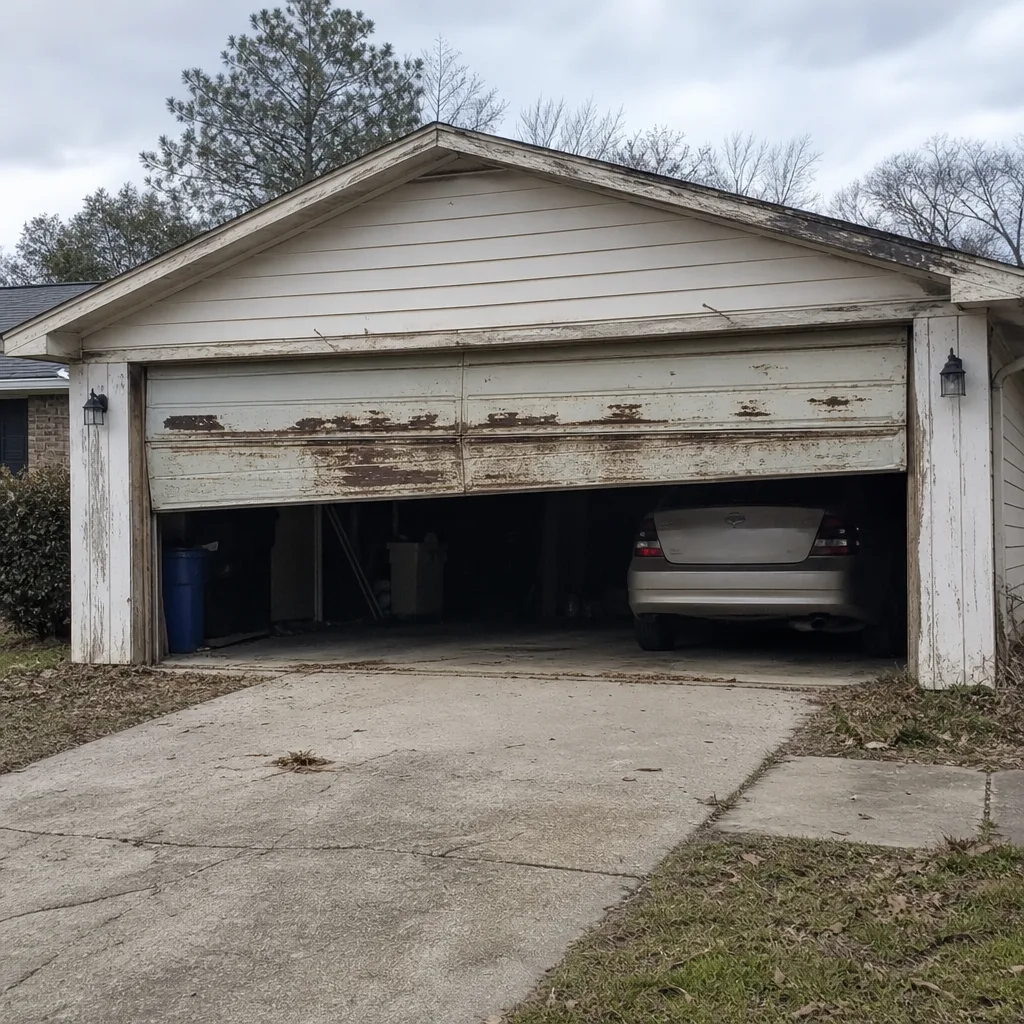 Before
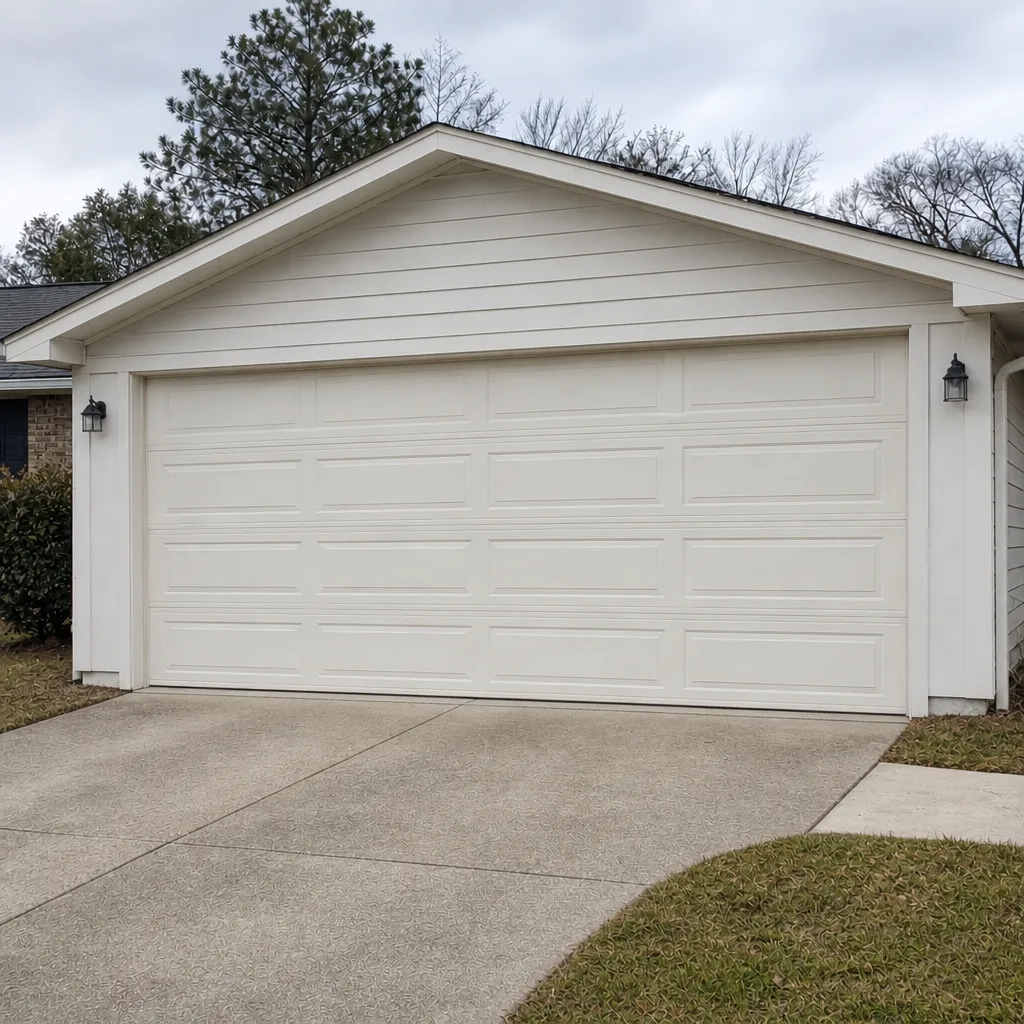 After
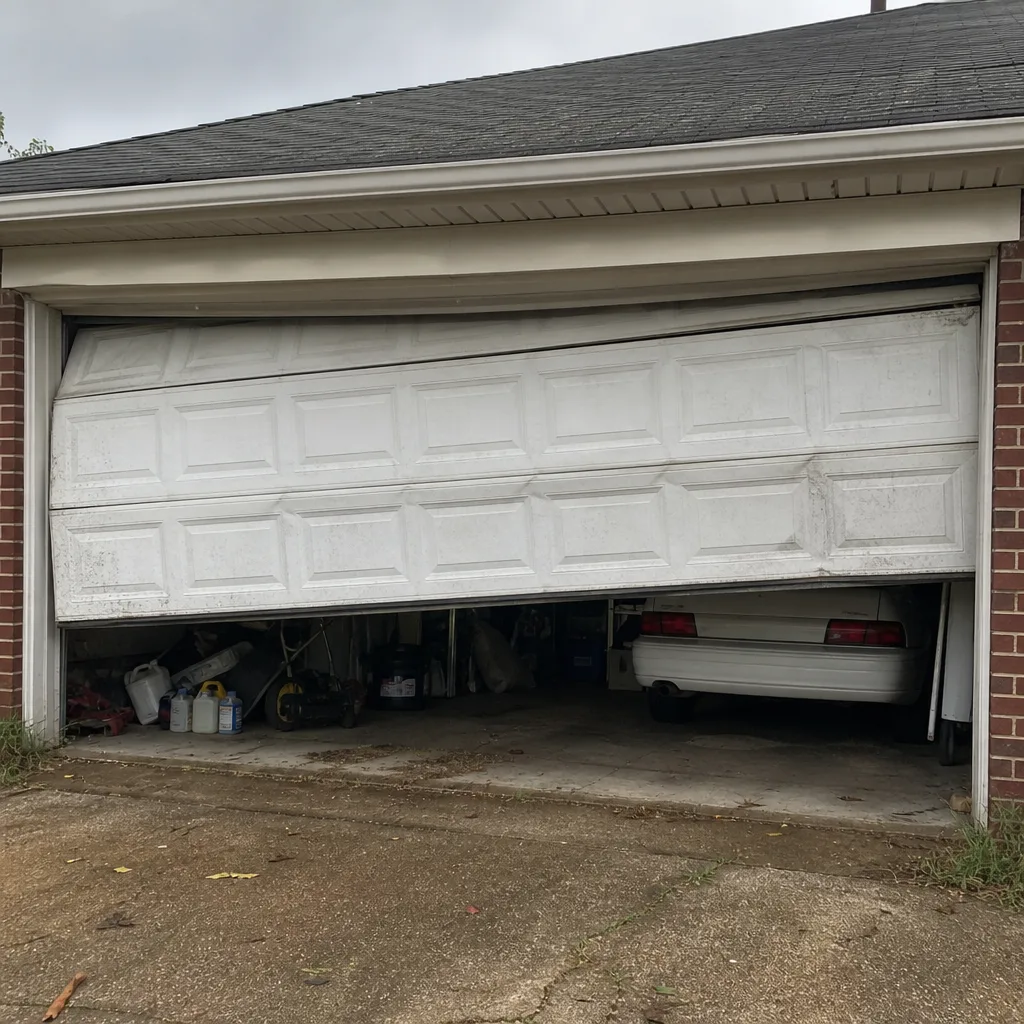 Before
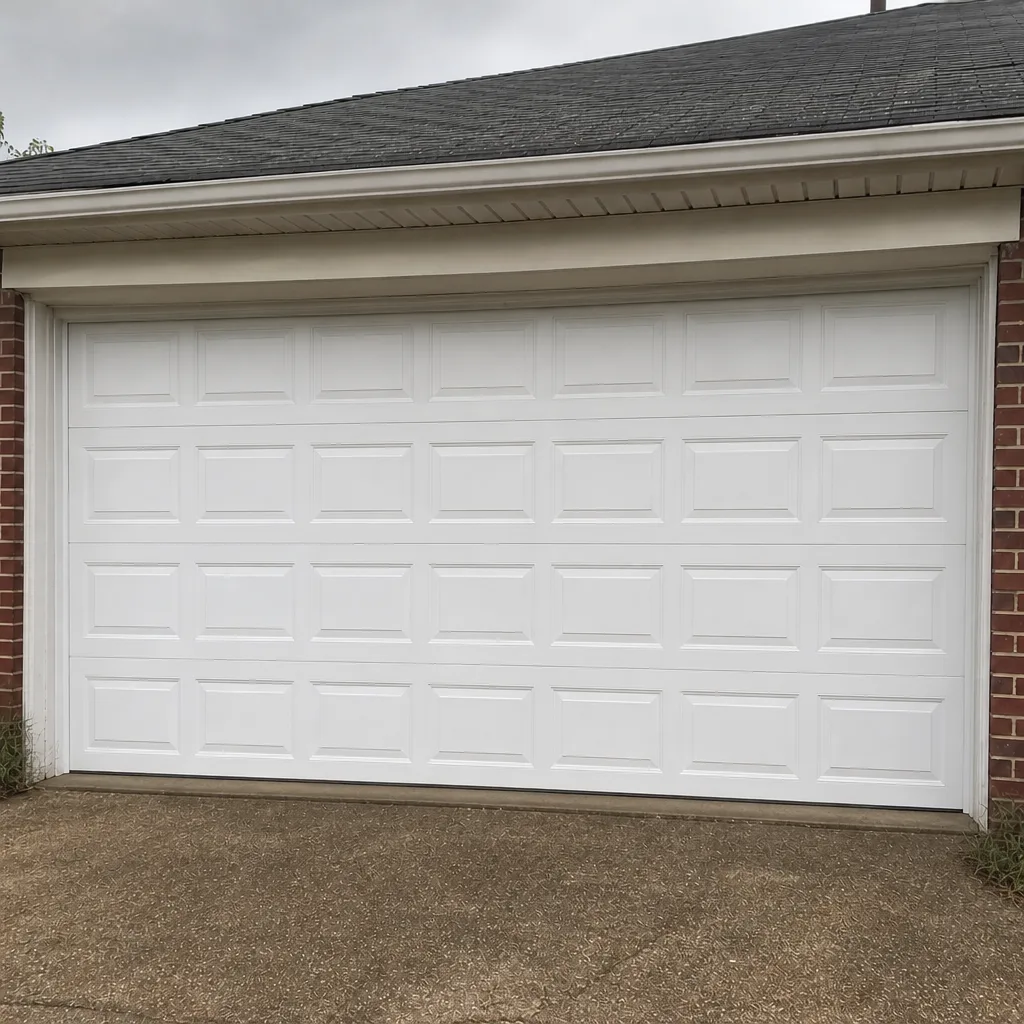 After
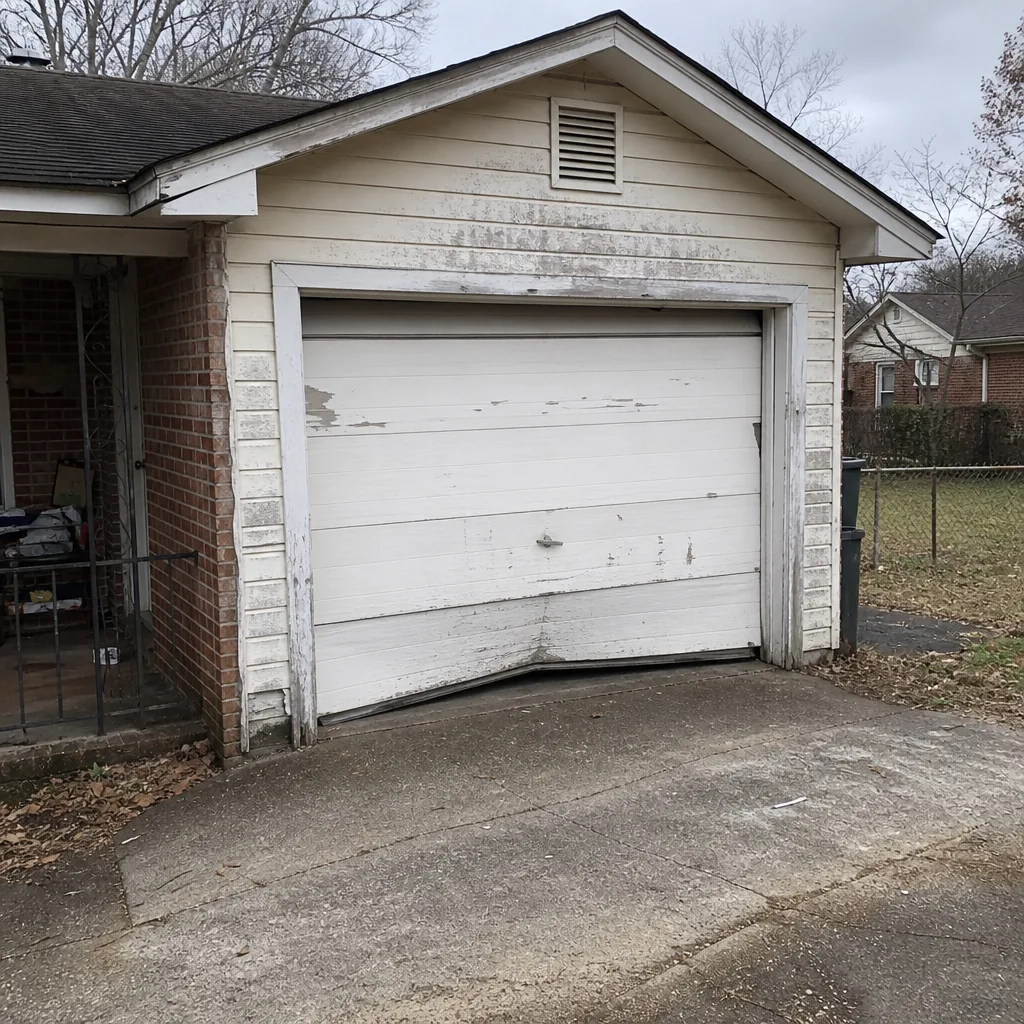 Before
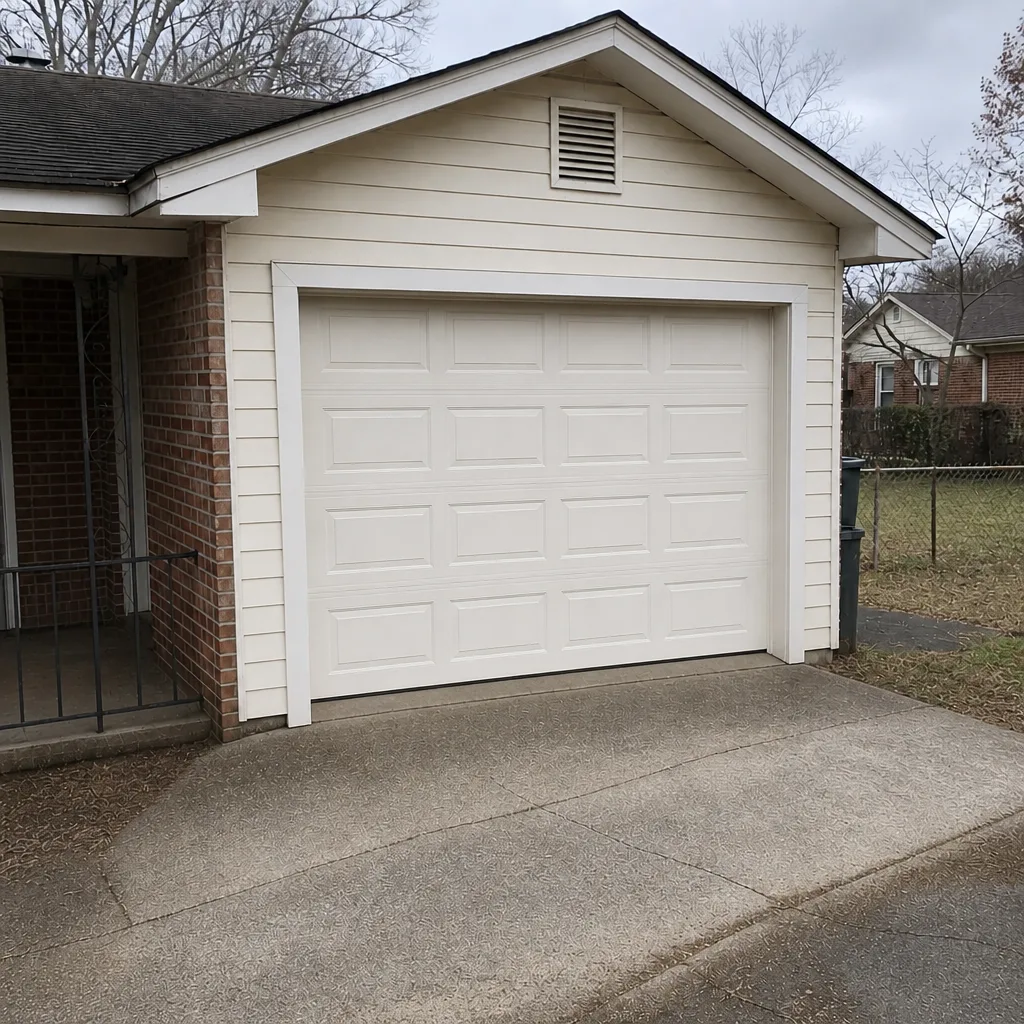 After
When to Call a Professional
Some garage door problems are genuinely dangerous to handle on your own. Torsion springs, cables, and opener wiring all belong on that list. If a spring is broken, a cable is frayed or off the drum, the door is hanging crooked or off its track, or the opener is sparking or has a burning smell, stop and call a trained professional. Do not try to adjust or remove a spring yourself; the stored energy in a wound torsion spring can cause serious injury in an instant, and there’s no good reason to take that on.
Other cases are simply a judgment call: a door that’s binding, a grinding opener, a remote that needs reprogramming, a safety sensor that keeps tripping. Those aren’t emergencies, but they’re worth a diagnosis before they get worse. Ashby Garage Door Repair offers free estimates in Tuscaloosa, and our technicians have up to 9 years of experience diagnosing exactly this kind of problem. Call (855) 758-0653. We answer 24/7. Fast dispatch from 7am to 7pm, Sunday through Friday.
Frequently Asked Questions
A single torsion spring replacement in Tuscaloosa typically runs in the range you’d expect for a mid-size service job, and a matched pair costs roughly double a single spring because both are replaced together. Get a written estimate for the specific spring spec before work begins, and confirm the price is agreed before anyone starts. Call (855) 758-0653 for an exact quote; estimates are free.
Ask for the certificate of insurance by email and call the insurance agent listed on it to confirm the policy is current. Alabama also has state business records you can search to confirm the company exists and is active. If any of that takes more than a day to produce, that’s a signal about how the company operates.
Same-day service is often possible for common repair calls like broken springs or opener failures, depending on dispatch availability. We answer 24/7, with fast dispatch from 7am to 7pm, Sunday through Friday. A call outside dispatch hours is booked into the next opening. For a repair, call (855) 758-0653 to confirm timing.
It shouldn’t, if the estimate is written properly. The price should be quoted and agreed before any work starts. The one legitimate reason for a change is discovering hidden damage like rot at the header or a warped track, which should trigger a stop and a revised quote, not a surprise invoice. If a company can’t give you a fixed number up front, ask why.
Replace both if they were installed as a matched pair and one has failed. The springs have been cycling the same number of times and the second one is close to failing. Replacing a single spring costs less now but usually more within a year or two once the second one goes.
A specialist focuses only on garage doors, which means pattern recognition across the major brands and a job-based pricing model with a fixed scope. A handyman prices by the hour and typically works on garage doors occasionally. For a simple adjustment, either can work. For springs, cables, opener wiring, or a full replacement, the specialist is the better call.
Read reviews for patterns, not scores. Repeated complaints about surprise charges or denied warranty claims tell you how the company operates. Ask for references from recent local jobs, and check how long the company takes to answer questions during the quote process. A specialist with a real local reputation will answer all of it without friction. If you want to talk to us directly, Ashby Garage Door Repair is the place to start.
The Bottom Line
The hiring mistake most Tuscaloosa homeowners make isn’t picking the wrong contractor; it’s not knowing which questions to ask before the work starts. Verify the insurance. Ask for a written quote with brand names and model numbers. Get the warranty exclusions in writing. Compare quotes by component, not by total. And treat the cheapest bid with the most suspicion, because it usually has the least-specified parts. Every legitimate specialist in Tuscaloosa will meet you on all of it, and the companies that won’t are telling you exactly how the job will go. Call (855) 758-0653 for a free estimate and a straight answer on what your door actually needs.
Written by the team at Ashby Garage Door Repair.