
Last updated November 15, 2026
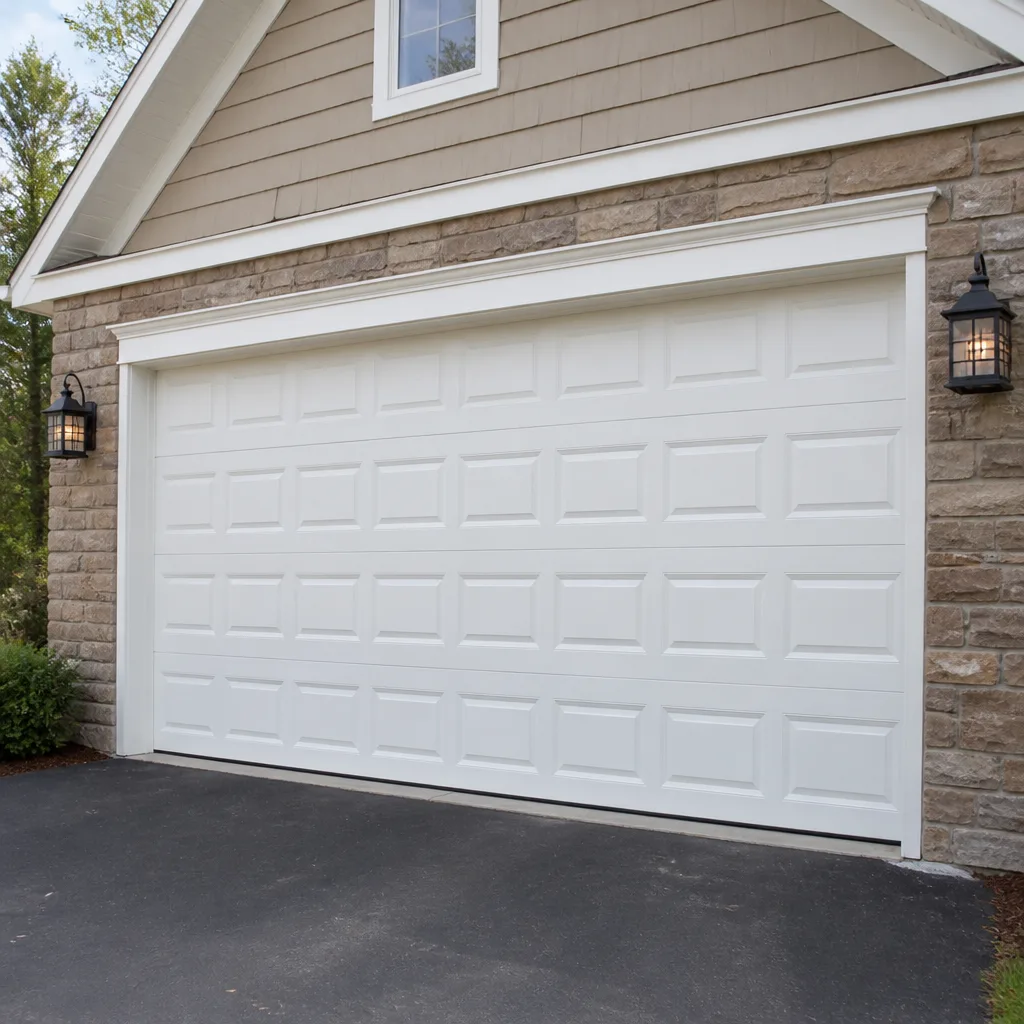 Raised-panel steel
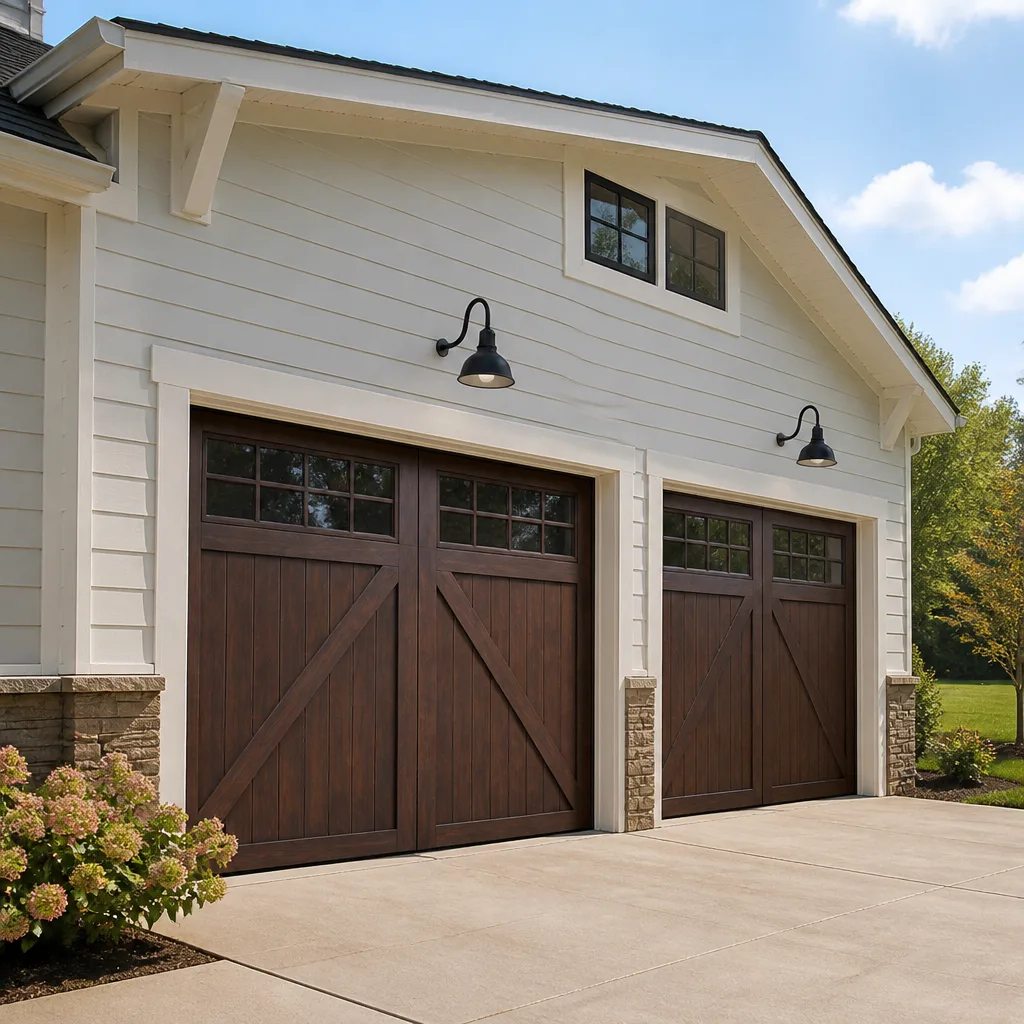 Carriage house
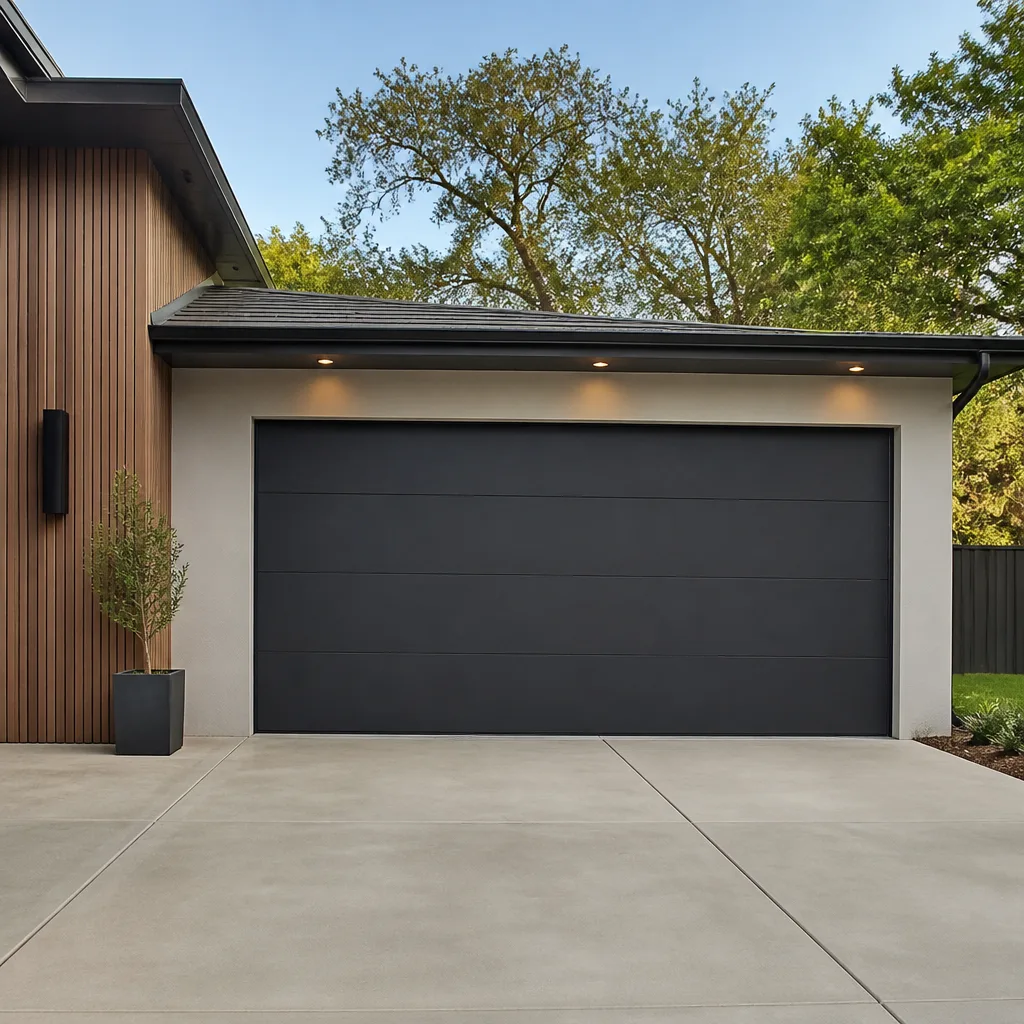 Modern flush
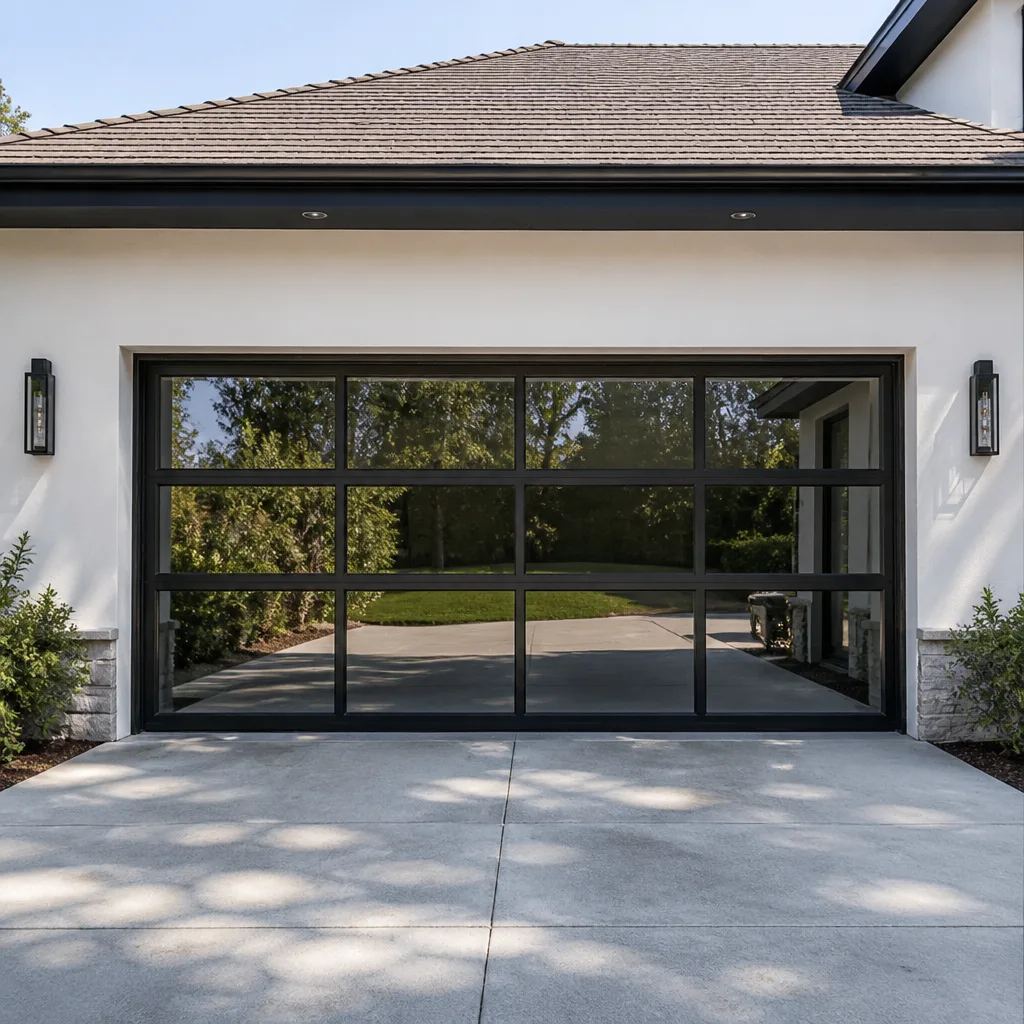 Full-view glass
 LiftMaster openers
 Chamberlain openers
Full 25-point door and opener safety check with every visit - springs, cables, rollers, tracks, and your LiftMaster or Chamberlain opener included
You get a price before we start. It does not change when the pro arrives.
Get your free estimateSeasonal Garage Door Care for Tuscaloosa: Year-Round Homeowner’s Guide
Tuscaloosa garage doors don’t fail in the season you’d expect. The call volume tells a different story than the calendar suggests. Most of the breakdowns we diagnose don’t happen in the dead of winter or the peak of summer – they cluster in the transition months, when a 78°F afternoon follows a 34°F morning and the whole door system has to absorb that swing twice in a week. Spring is the riskiest season here, not because it’s cold, but because thermal expansion, storm season, and months of winter neglect all land on the same door at once. This guide breaks down what each Tuscaloosa season actually does to your door, hardware, springs, and opener, and gives you a month-by-month care calendar built for this climate rather than a generic four-season template.
Quick Answer
The best seasonal care routine for a Tuscaloosa garage door is: a full hardware and balance inspection in early spring before storm season, lubrication and sensor checks in early summer before the sustained heat, a spring and cable inspection in October before the first real cold snap, and a quick visual and safety-reverse test in December. The highest-risk window for most Tuscaloosa doors is late March through April, when rapid temperature swings and severe weather arrive together.
Styles & brands we work with
- Raised-panel steel
- Carriage house
- Modern flush
- Full-view glass
- LiftMaster openers
- Chamberlain openers
Table of Contents
- Why Tuscaloosa’s climate stresses garage doors differently
- Spring: the pre-storm inspection that matters most
- Summer: heat, torsion spring tension, and opener thermal cutoff
- Fall: the hardware window before temperatures drop
- Winter: cold snaps, cable flexibility, and sensor alignment
- Your month-by-month Tuscaloosa care calendar
- When to consider a wind-rated door
- Common mistakes to avoid
Why Tuscaloosa’s Climate Stresses Garage Doors Differently
Garage door manufacturers build to a national average. Tuscaloosa doesn’t sit at the national average. The city sees hot, humid summers with long stretches above 90°F, mild but variable winters, and a spring severe-weather season that arrives with real force. That combination puts specific stress on a door system that a homeowner in, say, coastal Maine or dry Phoenix never deals with.
The real issue is the number of thermal cycles, not the extremes themselves. A door on a west-facing wall in Forest Lake or Hillcrest heats and cools dramatically every afternoon in spring and fall. Steel expands with heat and contracts with cold, and every cycle works the door’s joints, hinges, rollers, and brackets a little. The torsion spring, which lives under constant load, feels the same swing in a different way. Grease viscosity, cable movement, and metal fatigue all respond to temperature, and in Tuscaloosa they respond to more back-and-forth than most of the country gets.
Then there’s storm season. The spring and fall transition months here aren’t gentle, and the wind pressure on a garage door follows the same math whether the door is old or new. A 16-foot-wide door is the largest moving surface on most homes, and it’s the surface most exposed to pressure changes on the exterior wall. It’s also one of the most common wind-entry points on a house. The doors and hardware that handle spring and fall well here are the ones that were maintained through the transition months, not the ones that got attention only during the seasons when the door “felt off.”
We’ve built our seasonal guidance around that reality, and it’s a big part of how we approach garage door repair across the area. Tuscaloosa weather doesn’t just wear doors out faster – it wears them out in different ways than most generic seasonal guides assume. Our technicians have up to 9 years of experience and work on doors from LiftMaster, Chamberlain, Genie, Clopay, Amarr, Wayne Dalton, Craftsman, and Raynor, which covers the vast majority of the equipment actually installed in Tuscaloosa homes. That focus matters, because a seasonal inspection that ignores how a specific opener handles heat or how a specific brand’s bottom brackets respond to wind doesn’t do much good.
Spring: The Pre-Storm Inspection That Matters Most
Spring in Tuscaloosa isn’t gentle. It’s the season when thermal expansion, storm activity, and months of winter neglect collide on the same door system in the same week. If you do only one inspection this year, do this one.
What tornado-force wind pressure does to a door
Wind doesn’t push on a garage door evenly. It pushes on the panels, works the bottom brackets, loads the vertical tracks, and puts stress on every hinge along the way. A properly adjusted door with tight hinges and straight tracks handles pressure far better than one that’s carried a sag since winter. The bottom brackets and center stile are the two spots we see the most wind-related stress on older Tuscaloosa doors – both because they take the load first and because they’re the first to fatigue.
Spring pre-storm inspection checklist
- Balance the door by hand. Disconnect the opener, lift the door halfway, and let go. A balanced door stays put. If it drops or rises, the spring tension is off and the opener is doing work it wasn’t designed to do.
- Check every hinge and bracket for looseness. A visual pass and a light wiggle on each hinge reveals backed-out screws and stress cracks before storms make them failures.
- Look at the tracks. Vertical tracks should be plumb and evenly spaced. Any bend, dent, or gap between track and roller is a wind-vulnerability point.
- Test the safety reverse. Lay a 2-inch board flat in the door’s path and close it. The door should reverse on contact. Test the photo-eye system the same way with a hand pass through the beam.
- Check the weather seal at the bottom. A seal that’s torn or flattened lets wind-driven rain under the door, which is how floor moisture and rust start on the bottom panel.
- Inspect the springs. Look for gaps in the coils and any light rust. Springs don’t usually snap without warning, but the warning is easy to miss.
Spring is also the time to decide whether an older door should be replaced rather than repaired. A door that’s held up through several storm seasons, has visible panel damage, and never got a wind rating on day one is a different conversation than a door that’s just due for a tune-up. Our Ashby Garage Door Repair team handles both the maintenance side and the new-door side, which means the recommendation you get is based on what the door actually needs rather than which service we can sell.
Summer: Heat, Torsion Spring Tension, and Opener Thermal Cutoff
Sustained 90°F+ days do two specific things to a Tuscaloosa garage door that most homeowners don’t connect to the season. The first is spring tension drift. The second is opener behavior you’ll notice before you understand it.
How heat changes torsion spring tension
A torsion spring is calibrated for a specific door weight at a specific temperature. Steel expands in heat, and so does the spring itself, which slightly changes the effective tension the spring applies. On a door that’s already sitting near the edge of its tension window – either because the spring has aged, or because it was calibrated during cooler weather – a hot July afternoon can push it just far enough that the opener strains to lift the door or the door sits higher than it should when fully closed. You may notice a door that “feels heavier” in August than it did in April. That’s the spring telling you it’s out of calibration.
Spring adjustment is not a homeowner job. Torsion springs store enormous energy and can cause serious injury if handled by anyone without the right tooling and training. If your door feels heavy or won’t stay put when you test it, call a trained technician rather than adjusting anything yourself. We say that because we mean it – this is the single most dangerous part of the door system.
Why your opener overheats in Tuscaloosa summer
Most openers – LiftMaster, Chamberlain, Genie, Craftsman – are built with a thermal cutoff that protects the motor from cooking itself during heavy cycling. When the motor reaches its limit, the opener shuts off for a cooling period. In Tuscaloosa, that cutoff triggers more often than the manufacturer’s literature implies, because the ambient temperature in a garage facing afternoon sun can hit well above the outdoor temperature. If your opener stops responding during a hot afternoon and starts working again later, that’s usually the cutoff doing its job, not the opener failing.
But repeated thermal cycling is a symptom worth taking seriously. It shortens motor life, stresses the logic board, and often points to a heavier door or a spring that’s drifted. Our garage door opener repair service exists because opener problems are one of the most common service calls we get, and about half of them turn out to be a door problem the opener is just reporting.
Summer maintenance checklist
- Lubricate hinges, rollers, and the spring with a garage-door-specific lubricant – not WD-40 or general spray oil, which gathers grit in the heat.
- Clean and re-align the photo-eye sensors. Summer dust and insects are the most common cause of a door that won’t close.
- Check that the opener’s travel limits are still correct. Heat expansion can make a door that used to close fully stop an inch short.
- Test the manual release. You should be able to pull it and operate the door by hand with reasonable effort.
- Watch for water on the garage floor after storms – a failed bottom seal is a summer rain problem, and it becomes a rust problem by fall.
Fall: The Hardware Window Before Temperatures Drop
Fall is the most underused inspection window in Tuscaloosa. Temperatures are stable, the door hasn’t yet started fighting cold, and any marginal spring, cable, or bracket is still easy to reach and easy to replace. If a spring is going to snap this winter, fall is the last good chance to address it on your terms rather than on a cold morning when the door won’t open.
Why marginal springs fail in the cold
Cold metal is less ductile than warm metal. A spring that’s already near the end of its cycle life can carry a door fine in October and fail on the first hard December morning. The failure itself is a mechanical fact, but the timing is temperature-driven. When we inspect in fall, we’re looking for the spring that’s close to failure rather than the one that’s already broken, because that’s the one whose replacement schedule you can actually control.
Fall inspection checklist
- Inspect the springs closely. Any visible gap in the coil, light surface rust, or a door that no longer stays put when balanced is a sign to act before winter.
- Check the cables for fraying. Cables run alongside the springs and take the same load. Frayed cables are cheap to replace and dangerous to ignore.
- Tighten every hinge bolt. Cooler weather is easier on hardware, which makes fall the practical time to go around the door with a wrench.
- Test the door’s balance again. The summer-to-fall temperature change often shifts spring tension enough to notice on the balance test before it shows anywhere else.
- Look at the bottom bracket and center stile. Both take wind and impact load, and both fail more often than most homeowners expect. A crack that’s still small in October is a real vulnerability by March.
- Lubricate again. Summer heat thins and dries lubricant faster than cool weather does. Fall is a natural reset point.
This is also the season to look at whether the door is starting to look tired in a way that matters – sagging panels, misaligned horizontal tracks, a door that’s visibly bowing. Plenty of Tuscaloosa homes have doors that were installed decades ago and have never been adjusted. A fall inspection tells you whether this winter is the right time to schedule a replacement before storm season rather than scramble for one mid-spring.
Winter: Cold Snaps, Cable Flexibility, and Sensor Alignment
Tuscaloosa winter isn’t severe the way northern winters are, but that’s exactly what makes it tricky. Cold snaps arrive fast, often follow warm days by only hours, and catch door systems that are set up for milder temperatures. The failures that follow rarely come from twelve inches of snow. They come from the sudden swing.
Cold weather effects on your door system
- Cable flexibility. Cold cables stiffen and take longer to seat on the drum. On an older door, that can cause a cable to jump the drum, which is a repair that shouldn’t be attempted at home.
- Lubricant viscosity. Thick summer lubricant becomes tacky in cold weather. If the door feels like it’s dragging on the first cold morning, the lubrication – not the door – is often the reason.
- Sensor alignment. Photo-eye sensors go out of alignment from thermal movement of the mounting brackets. A door that “refuses to close” on a cold morning is very often a sensor that shifted a fraction of an inch overnight.
- Seal shrinkage. The bottom seal contracts in cold weather and leaves gaps under the door that weren’t there in October. That’s a heat-loss issue and, in wet weather, a moisture-under-the-door issue.
Winter maintenance checklist
- Re-lubricate moving parts with a cold-weather rated garage-door lubricant before the first hard freeze forecast.
- Run a sensor test – both the photo-eye alignment and the safety reverse – once a month during cold months.
- Inspect the bottom seal and replace any section that’s shrunk away from the door.
- Watch for any change in the door’s balance when the temperature drops suddenly.
- Keep the tracks clear of ice and debris if your garage doors face a driveway that gets wet and cold.
Cold is also the point at which a hinge screw that spent all summer slightly loose finally backs far enough out for the hinge to shift. A five-minute visual check on the first cold morning of the year catches more winter problems than any single repair. The good news in Tuscaloosa is that winter rarely produces the sustained wear that northern winters do. The bad news is that a single sharp cold snap can trigger a failure that was already a week away.
Your Month-by-Month Tuscaloosa Care Calendar
Generic seasonal guides break the year into four tidy blocks. Tuscaloosa doesn’t work that way. This calendar reflects the months when each risk actually peaks in this climate.
January – February
- Monthly sensor alignment test.
- Check the bottom seal for shrinkage after any cold snap.
- Test the manual release and the door balance once.
March
- Full pre-storm inspection – all six checks from the spring list.
- Confirm the safety reverse and photo-eye system work correctly.
- Book any hardware tightening that came up during the winter.
April – May
- Professional spring and cable inspection if the door is over a decade old, or has never had one.
- Check that the bottom seal is still seated after heavy spring rains.
- Fresh lubrication on all moving parts.
June – July
- Watch the opener for thermal cutoff behavior. If it’s triggering often, get the opener checked.
- Re-check the door balance – heat can shift spring tension.
- Test the door’s travel limits after a stretch of 90°F+ afternoons.
August
- Lubricate again – heat dries lubricant faster than any other season here.
- Check hinges and rollers for sticking or binding in the heat.
- Clean the photo-eye sensors – dust and spider activity peak in late summer.
September – October
- Full fall hardware inspection from the checklist above.
- Replace any marginal spring or frayed cable before winter.
- Tighten every hinge bolt and test the balance.
November
- Switch to cold-weather lubricant.
- Replace the bottom seal if it shows shrinkage or tears.
- Full sensor alignment check.
December
- Post-cold-snap visual inspection.
- Test the safety reverse one last time before the new year.
- Watch the door’s balance – a door that was balanced in October may need adjustment by December.
When to Consider a Wind-Rated Garage Door
The question of wind-rated doors comes up more in Tuscaloosa than in most of the state. Storm-season wind pressure is real here, and a garage door that fails under pressure is a bigger problem than most homeowners realize, because the door is often a significant part of the exterior wall. A wind-rated door is engineered with reinforced panels, heavier-gauge tracks, and now-standard wind-load ratings that a typical builder-grade door doesn’t carry.
Not every Tuscaloosa home needs one. A wind-rated door makes the most sense when:
- The door is older and the original installation never addressed wind load.
- The door has already shown panel or bracket stress after storm seasons.
- The home’s exterior is being upgraded for wind resistance in other ways.
- You’re replacing the door anyway, and the wind-rated option is within a reasonable budget range over a comparable non-rated door.
For homeowners who want to understand local requirements, the honest answer is that rules on wind-rated doors vary and are set at the code and permitting level. Ask our team or the city’s building department what applies to your address before making a decision. We handle installation of doors from Clopay, Amarr, Wayne Dalton, Raynor, and other major brands, and we’re glad to walk through wind-rated options that fit your home’s design. If you’re in Tuscaloosa and thinking about a replacement rather than a repair, it’s worth reading our overview of the area at Tuscaloosa before you start calling around – it helps to know what door features actually make sense for this climate.
Common Mistakes to Avoid
- Using WD-40 or general spray oil on the door hardware. These thin in the summer heat and attract grit, which wears hinges and rollers faster than dry hardware. A garage-door-specific lubricant is the right product for every Tuscaloosa season.
- Waiting for a problem before the spring inspection. The single biggest mistake we see in Tuscaloosa is skipping the March inspection and then calling in April after the first severe-weather week has stressed the door. A pre-storm check is cheaper than a post-storm repair.
- Adjusting torsion springs at home. This is the most dangerous part of the door system and the one most often underestimated. Torsion springs store serious energy, and injuries from homeowner adjustment are not rare. Leave spring work to trained technicians.
- Ignoring an opener that keeps cutting out in the summer. Thermal cutoff is doing its job, but repeated cutoff is a signal that the motor is overworking. Two or three cycles a week in July is a signal worth a call.
- Replacing a bottom seal only after water shows up inside the garage. In Tuscaloosa’s spring rain, the seal is the first line of defense. Replace it when you notice wear, not when you notice water.
- Assuming a “wind-rated” door is only relevant to new construction. Older homes can be retrofitted with wind-rated doors. It’s often the highest-impact wind upgrade a homeowner can make without touching the roof.
- Skipping the fall balance test because the door “feels fine.” A door that’s holding on by a margin in October is the door that fails on the first cold morning in December. The balance test takes a minute and tells you what “feels fine” can’t.
See the difference
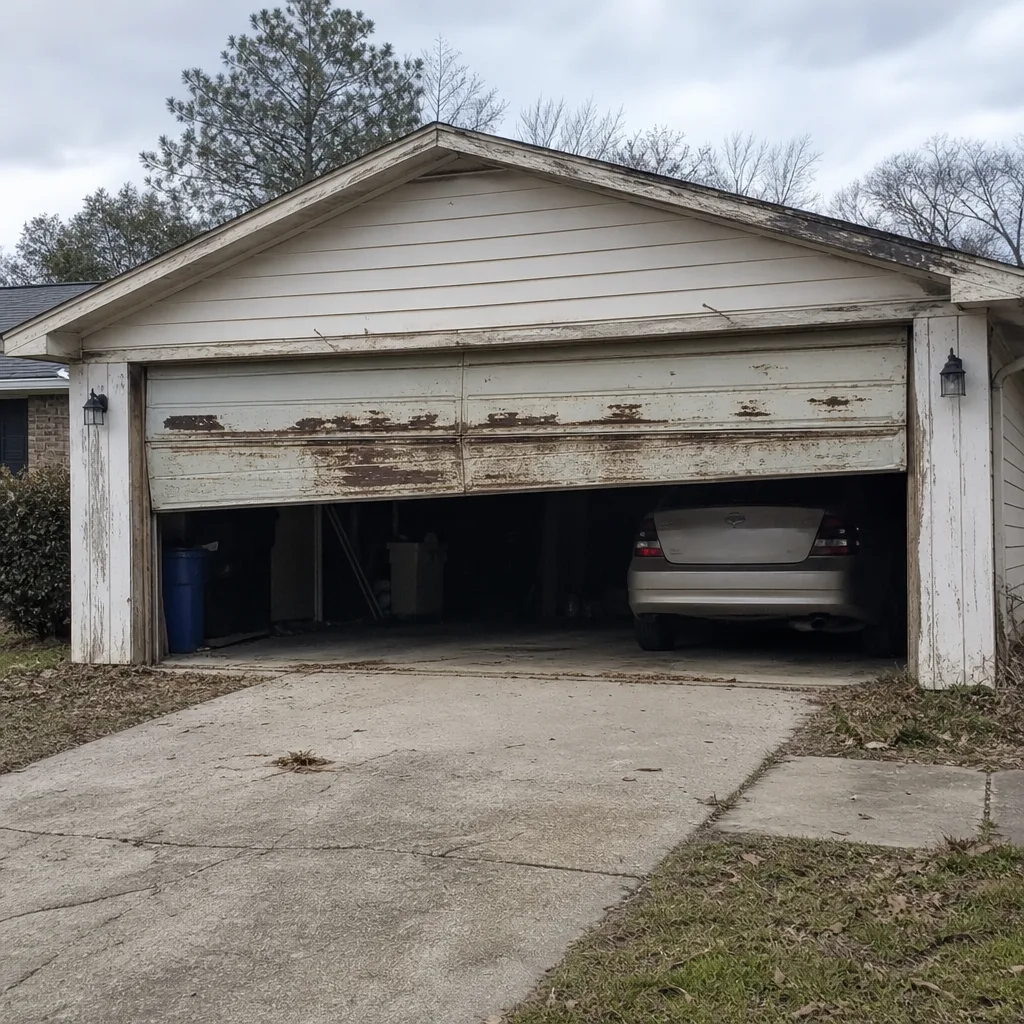 Before
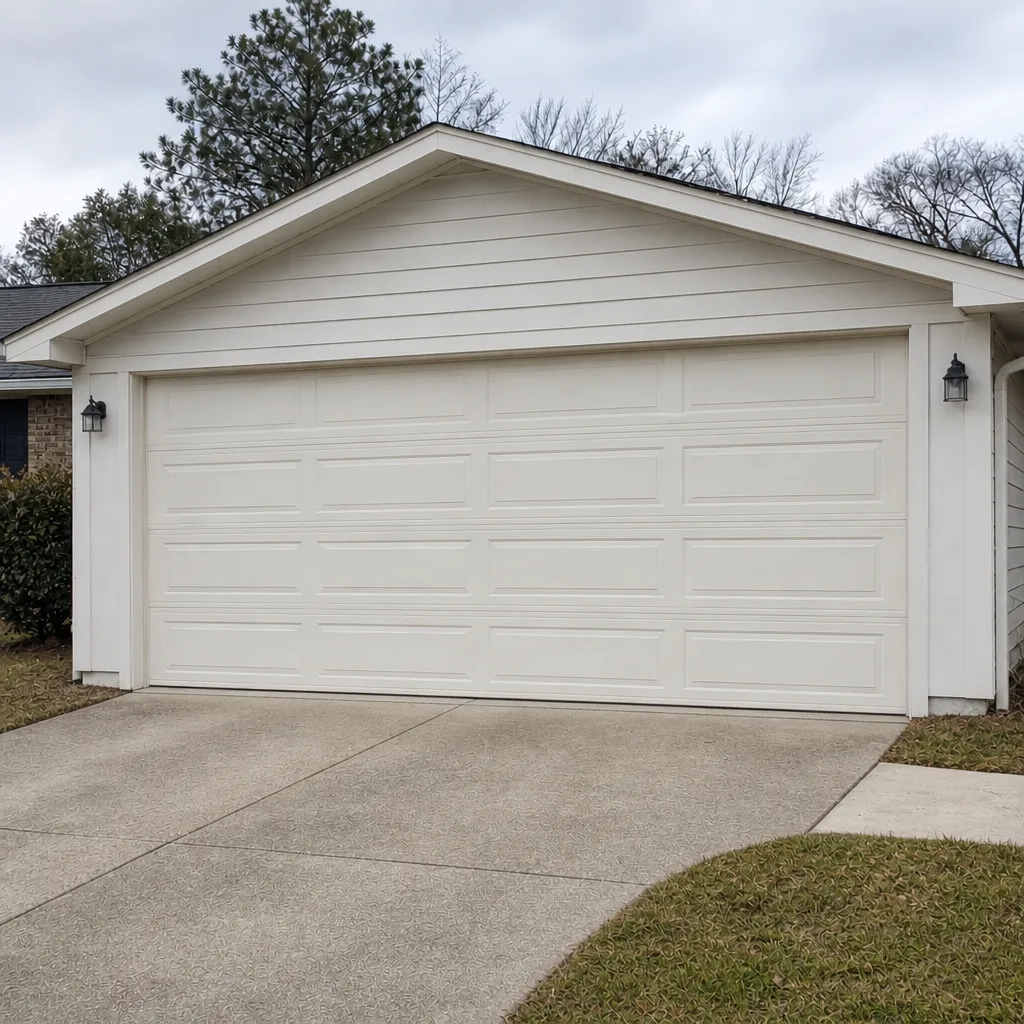 After
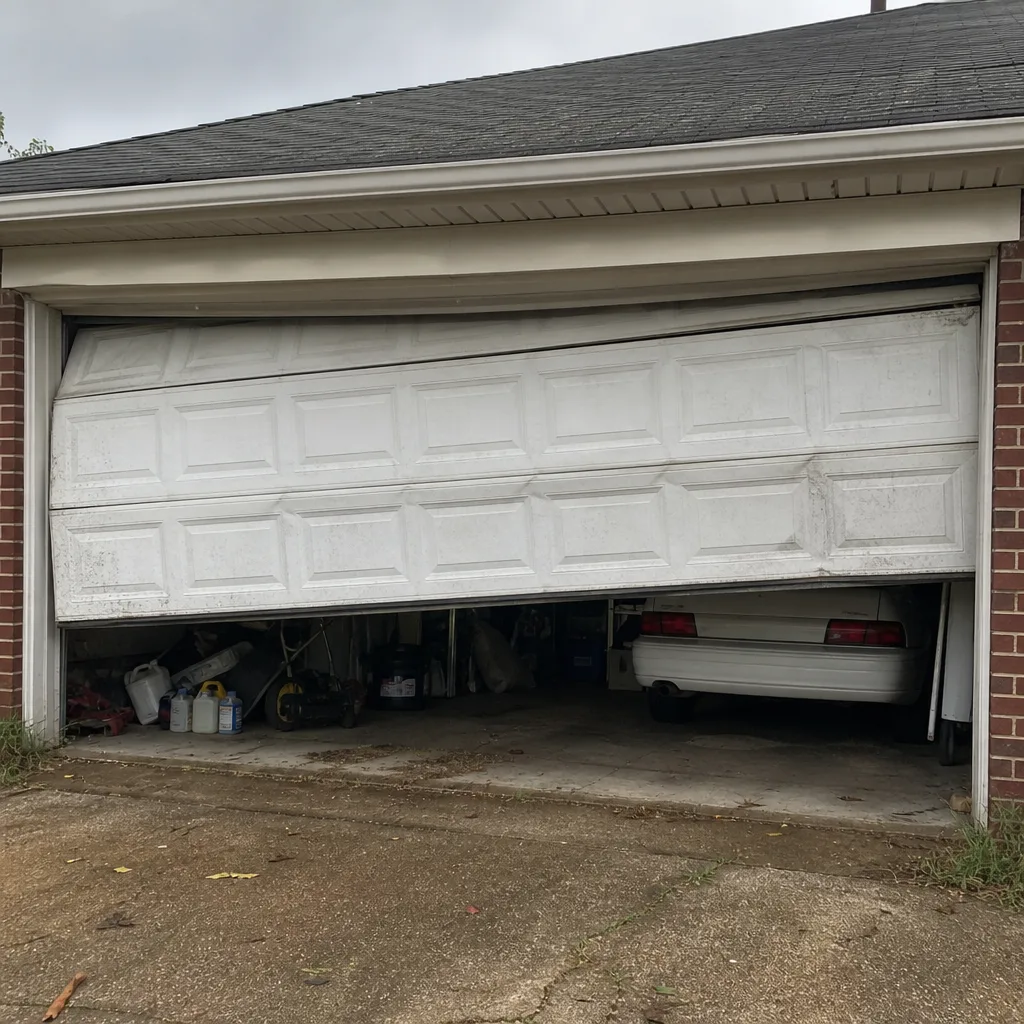 Before
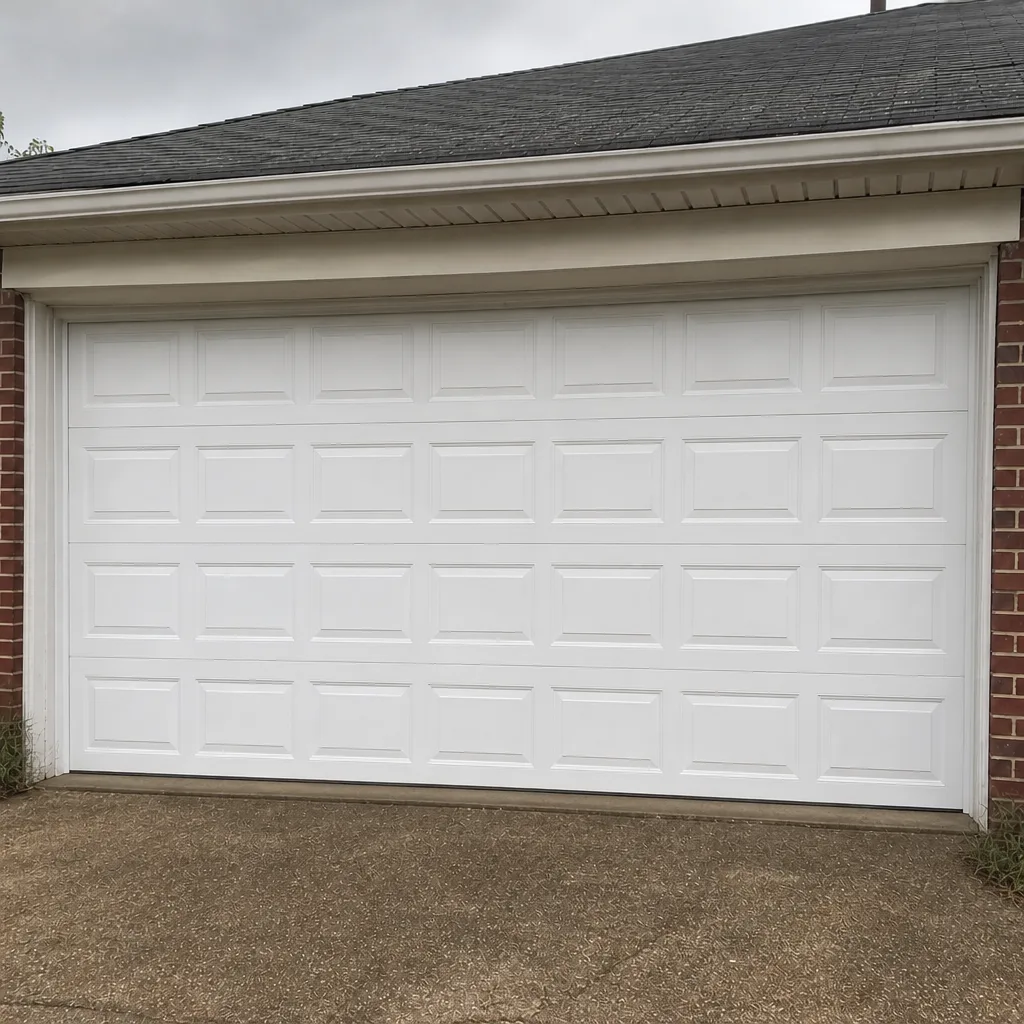 After
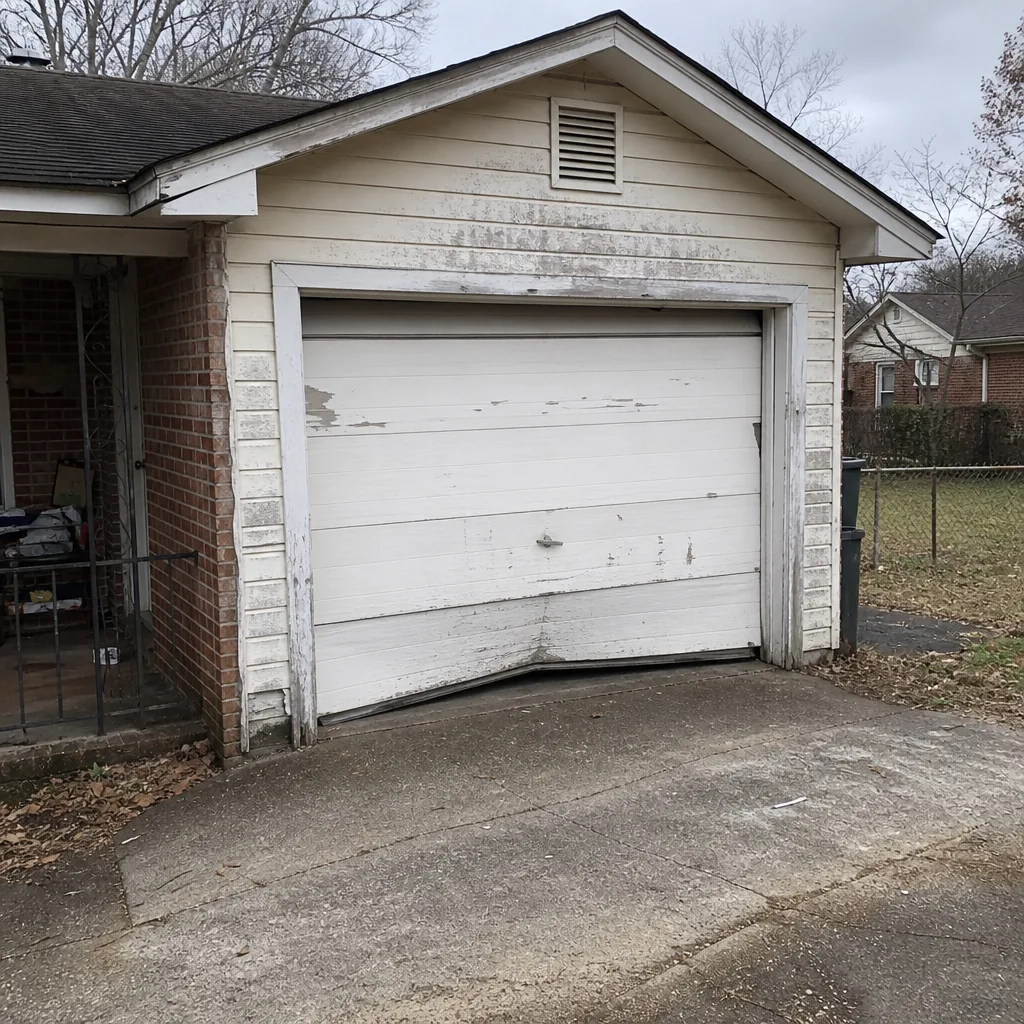 Before
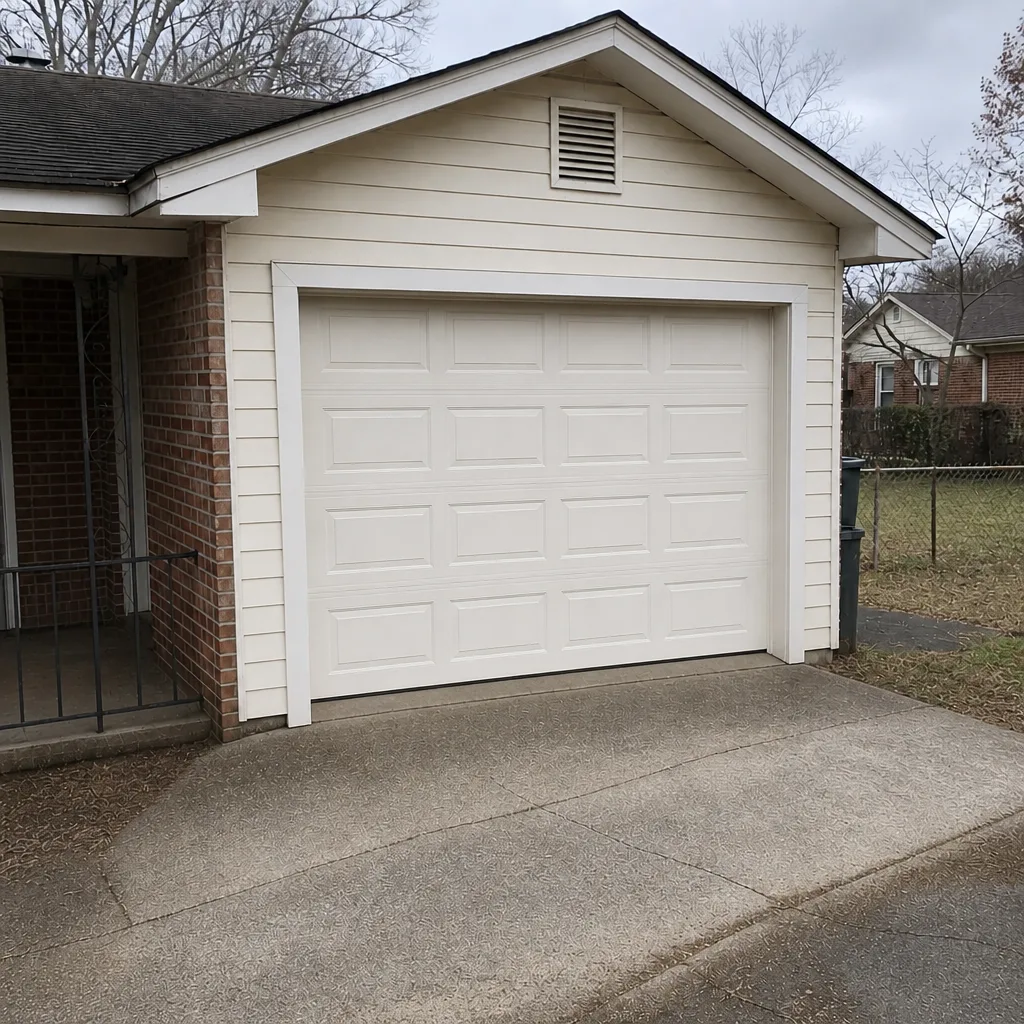 After
When to Call a Professional
Some seasonal care genuinely belongs to the homeowner. Lubricating moving parts, testing the safety reverse, wiping the photo-eye sensors, and checking that hinges are tight are all reasonable weekend tasks. Others don’t. Call a professional when the door won’t stay put on the balance test, when a spring shows visible wear or breaks, when the opener cuts out repeatedly in heat or stops responding, when the door is visibly out of square or the tracks are bent, or when wind damage has left any panel or bracket looking stressed. Spring, cable, and track work are the three areas where the risk of injury goes up sharply for a homeowner.
Ashby Garage Door Repair offers free estimates in Tuscaloosa – call (855) 758-0653. We answer 24/7, and we run fast dispatch from 7am to 7pm, Sunday through Friday. If a call comes in outside dispatch hours, we book it into the next opening. Our technicians have up to 9 years of experience with LiftMaster, Chamberlain, Genie, Craftsman, Clopay, Amarr, Wayne Dalton, and Raynor equipment, and because we work in one trade only, we diagnose the actual problem before recommending any part. We specialize exclusively in garage doors – it’s the only trade we work in – so the person who shows up is a garage door specialist rather than a generalist juggling a dozen different trades.
Frequently Asked Questions
The single most important task is the pre-storm inspection in early spring, because it catches balance, hardware, and seal problems right before the season that stresses the door most. Everything else on the calendar supports it. If you do one thing this year, do the March balance test and hardware check.
Twice a year is the practical minimum here – once in late spring before the summer heat, and once again in fall before the first cold snap. Tuscaloosa’s temperature swings dry out lubricant faster than a mild climate would, so a single yearly application usually isn’t enough. Use a garage-door-specific lubricant rather than a general spray oil.
That’s almost always thermal cutoff. Most openers, including LiftMaster, Chamberlain, Genie, and Craftsman models, have a built-in protection circuit that shuts the motor off when it gets too hot. In a Tuscaloosa garage facing afternoon sun, ambient temperature can push the motor into cutoff even when the door is cycling normally. If it happens more than a couple of times a week, get the opener checked – repeated cutoff points to a heavier door or a spring that’s drifted.
No. Torsion springs are under extreme tension and can cause serious injury if handled without proper tools and training. If your balance test fails, or the door feels heavier than it used to, call a trained technician. Every garage door spring adjustment is best left to someone who works with them regularly.
It’s worth it if your door is older, has shown panel or bracket stress after storms, or is being replaced anyway and the wind-rated option fits your budget. Wind-rated doors are engineered with reinforced panels and heavier tracks. Rules vary by code and permit, so ask our team or your city’s building department what applies to your address before you commit.
Pricing for garage door repair and maintenance in Tuscaloosa is quoted per job by written estimate. We give you the estimate before any work starts, so the price you agree to is the price you pay. Call (855) 758-0653 for an exact quote – estimates are free.
The Bottom Line
Tuscaloosa garage door care isn’t about four neat seasons. It’s about two high-risk windows – late March through April, and late October through November – bracketed by lighter maintenance through summer and winter. Spring brings thermal expansion, storm pressure, and months of winter wear at once. Fall brings the last good chance to address a marginal spring before cold snaps turn it into a broken one. Handle those two windows carefully, keep the lubrication and sensor checks on schedule through the rest of the year, and your door will hold up far better than one that only gets attention when something breaks. When a job lands in spring, cable, or opener territory, we can help. If you need repair in Tuscaloosa, start with a free estimate.
Call (855) 758-0653 for a free estimate. We answer 24/7. Fast dispatch from 7am to 7pm, Sunday through Friday.
Written by the team at Ashby Garage Door Repair.