
Last updated November 15, 2026
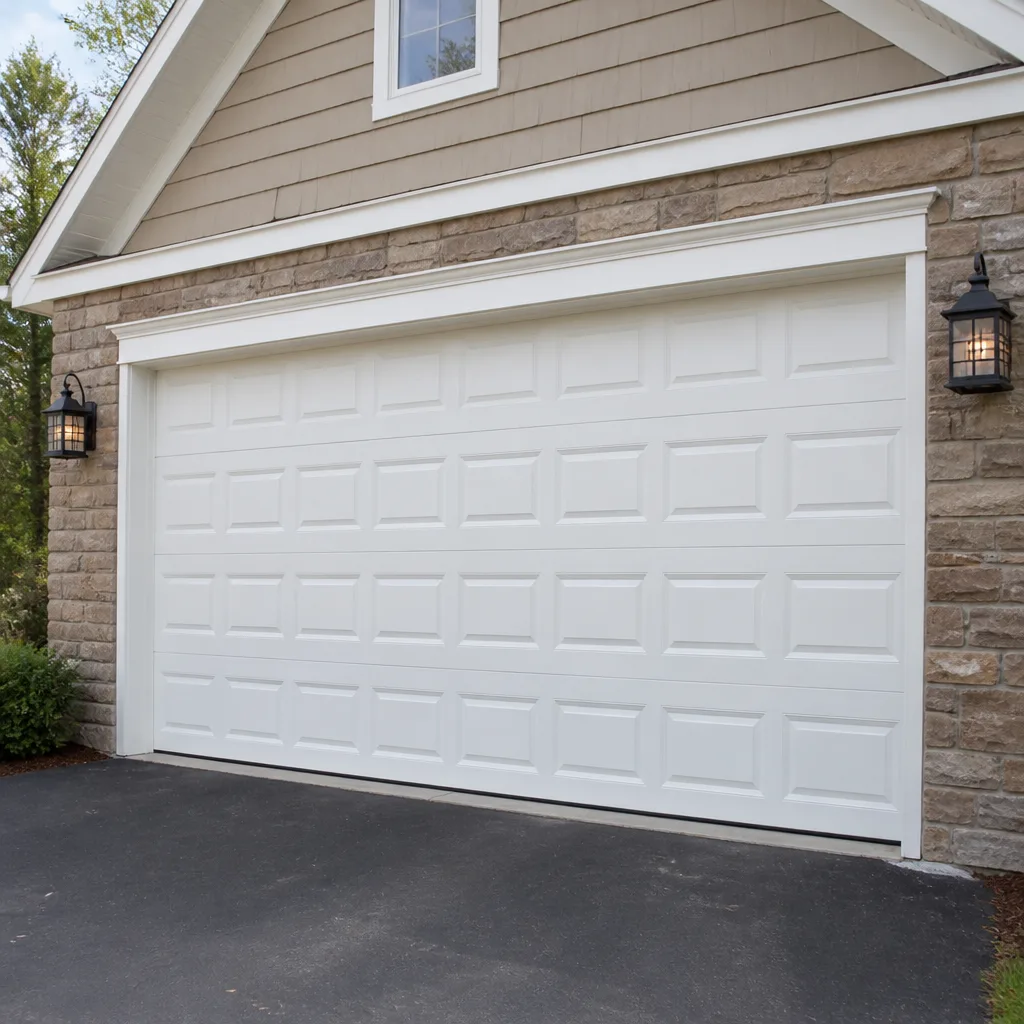 Raised-panel steel
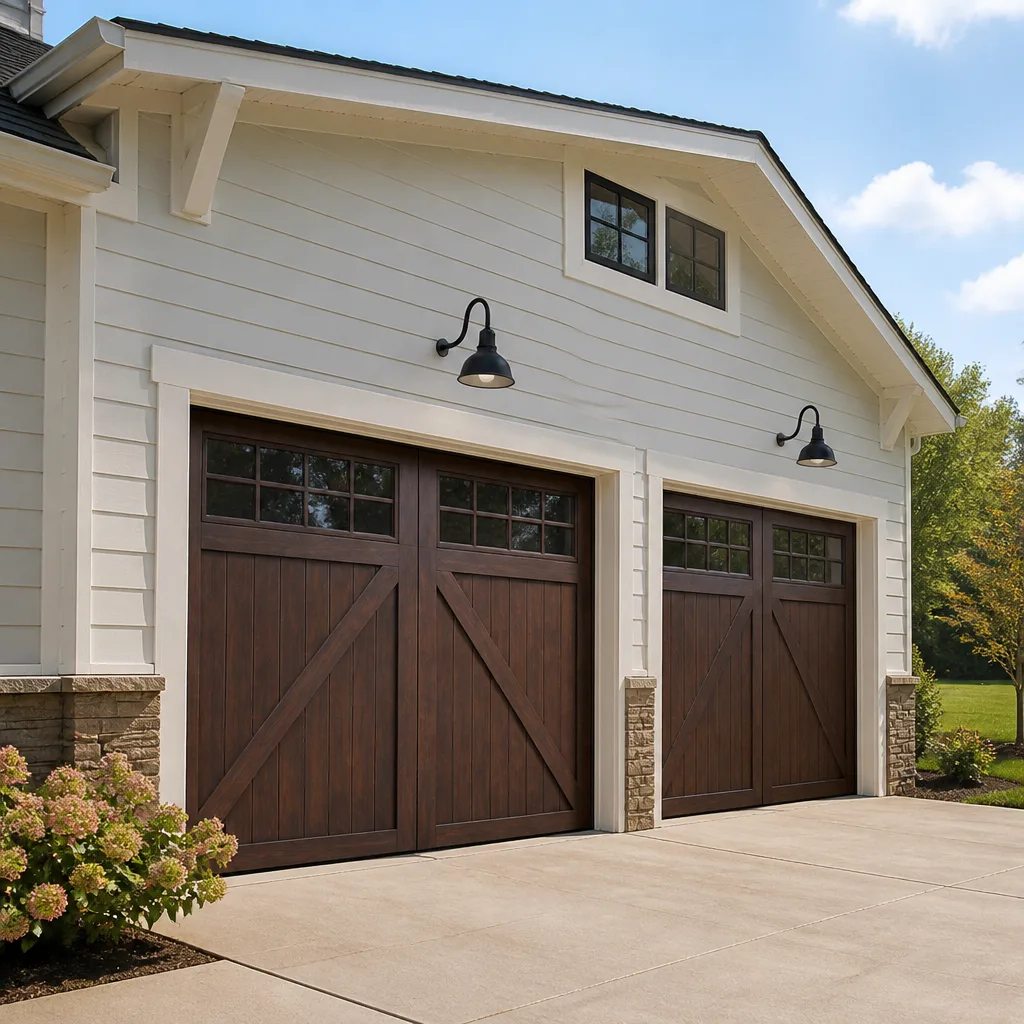 Carriage house
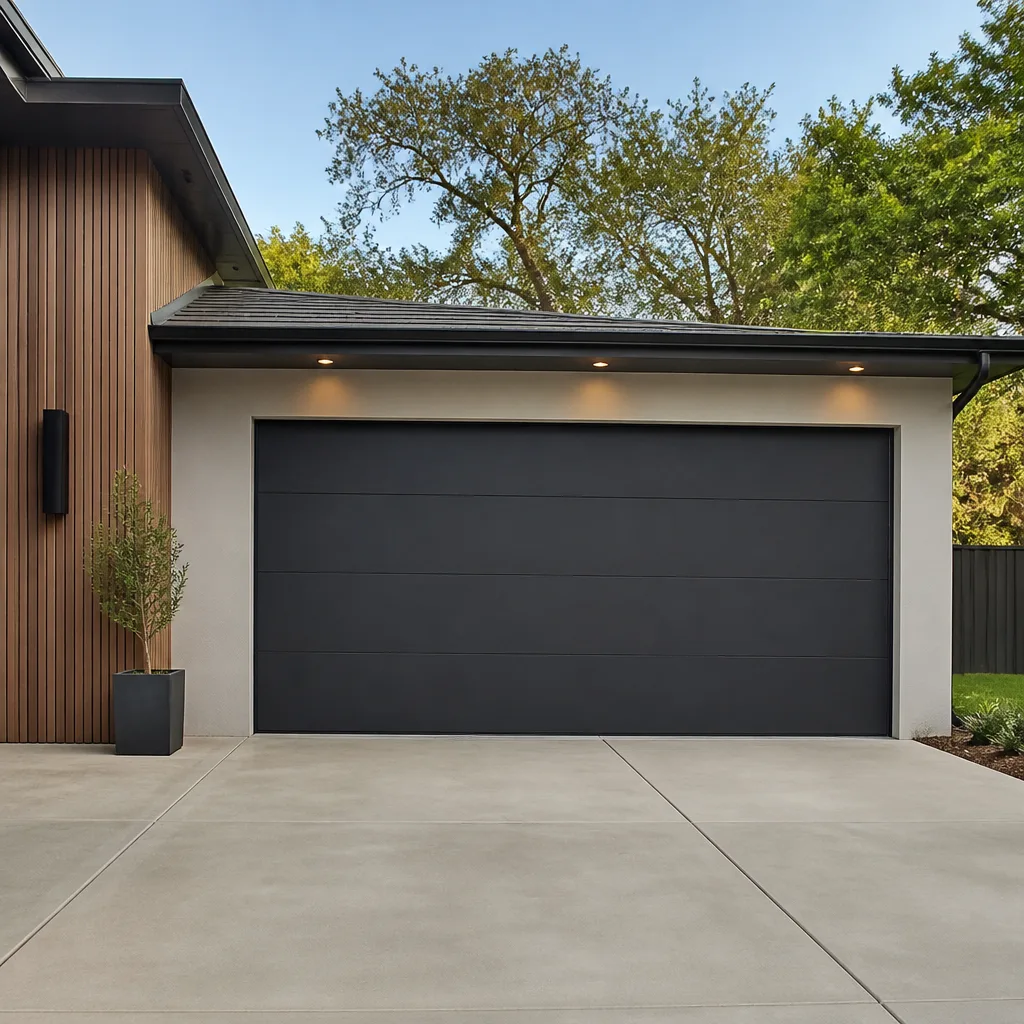 Modern flush
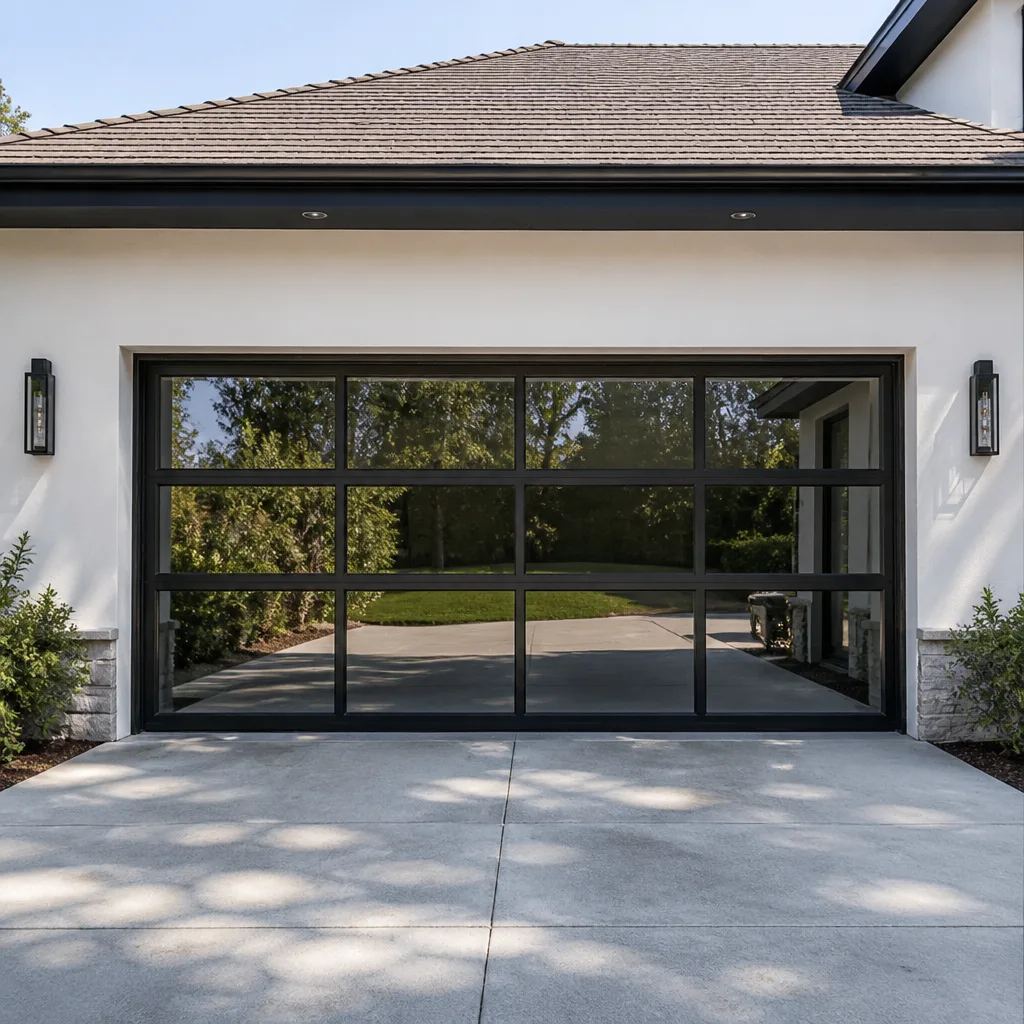 Full-view glass
 LiftMaster openers
 Chamberlain openers
Full 25-point door and opener safety check with every visit - springs, cables, rollers, tracks, and your LiftMaster or Chamberlain opener included
You get a price before we start. It does not change when the pro arrives.
Get your free estimateGarage Door Warning Signs: A Tuscaloosa Homeowner’s Reference Guide
A garage door that takes three seconds longer to open than it used to isn’t just slow. That change in cycle time is often the first measurable sign of a spring losing tension, and it typically precedes a break by 30 to 90 days. Most homeowners read that slowdown as an annoyance, a quirk, something to mention at dinner and forget by Friday. Then the spring snaps on a Tuesday morning with the car inside. This guide organizes garage door warning signs by what you actually observe – sounds, movement, and visual changes – rather than by component, so you can connect a symptom to a cause and know whether to schedule a repair or stop using the door entirely. We’ll also cover which symptoms behave differently in Tuscaloosa’s humidity and how to read multiple small signs together.
Quick Answer
The most important garage door warning signs are a door that opens slower than it used to, grinding or popping sounds during travel, a door that won’t stay level when you disconnect the opener, and visible gaps or sagging panels. Any one of these means the door needs a professional inspection. If you hear a loud bang from the torsion bar or the door hangs crooked off its tracks, stop using it immediately and call a trained technician.
Styles & brands we work with
- Raised-panel steel
- Carriage house
- Modern flush
- Full-view glass
- LiftMaster openers
- Chamberlain openers
Table of Contents
- Warning Signs You Hear: Sounds That Point to Specific Failures
- Warning Signs You See in Movement: Slowness, Jerking, and Reversals
- Visual Warning Signs: Cracks, Gaps, and Sagging
- The 60-Second Manual Balance Test
- How Tuscaloosa Humidity Masks Mechanical Wear
- Why Two Minor Symptoms Matter More Than One
- Immediate Safety Risks vs. Signs You Can Monitor
- Opener Warning Signs: When the Motor Is the Problem
Warning Signs You Hear: Sounds That Point to Specific Failures
Sound is the earliest and most reliable diagnostic tool a homeowner has. Garage doors produce predictable noise signatures in normal operation, and any change from that baseline points toward a specific component. In our experience, homeowners who can describe the sound accurately get faster, more precise repairs because the technician arrives knowing what to check first.
Here’s how to read the most common sounds:
- A single loud bang followed by silence: This is the classic torsion spring break. The door becomes extremely heavy and may not open at all. Stop using it.
- Rhythmic grinding during travel: Usually worn rollers or a dry or misaligned track. Grinding that appears only at one spot on the track points to a bent section or a roller that’s come partially out of its bracket.
- Popping or snapping from the middle of the door: Often a cable off its drum or a loose torsion spring. Do not try to operate the door until a technician inspects it.
- Rattling that gets worse over weeks: Loose hinges, bolts, or the opener’s rail mount. Left alone, this vibration accelerates wear on the panels and opener gears.
- A high-pitched squeal from the opener housing: Worn opener gears or a failing motor bearing. The opener is often the most-replaced component on a door, and opener repair is a distinct job from door repair.
Humidity in Tuscaloosa dulls sound. On a damp morning a failing roller may rattle less than it did on a dry afternoon, which is one reason homeowners here miss warning sounds. Listen during the first two or three cycles of the day rather than after the door has been used repeatedly. If something sounds off, don’t wait for it to get louder. When you need a diagnostic visit for garage door repair, our technicians can usually identify the cause in the first few minutes of inspection.
Warning Signs You See in Movement: Slowness, Jerking, and Reversals
Movement is the second layer of evidence. A door that moves unevenly, jerks partway through travel, or reverses before fully closing is telling you where the problem is even before you hear anything. Slowness is the most misread of these signs: homeowners attribute it to the opener’s motor getting old, but a door that takes three seconds longer than it used to is usually fighting spring tension that has declined.
Watch for these movement patterns:
- Slow opening, normal closing: Springs losing tension. Torsion springs carry most of the door’s weight, and when they weaken the opener has to compensate.
- Door reverses before closing completely: Either a misadjusted safety sensor or an obstruction, or a sign of binding in the tracks. Check the sensors first, then look for a mechanical cause.
- Jerking or stuttering at one point on the track: Worn rollers, a bent track section, or a panel drawn out of alignment by a hinge issue. Consistent jerking at the same spot usually means the same component.
- Door stops partway up and reverses: The opener’s force limit has tripped. This often means the door is heavier than the opener expects because of spring wear.
- Door drifts down after closing: The springs aren’t holding weight. This is a sign to inspect before it becomes a full break.
Timing your door is the simplest measurement. Note how many seconds it takes to open and close on a day when it’s working well, and compare that baseline in a month. A measurable slowdown is worth a call. A door that’s moving noticeably unevenly should be taken out of service before an inspection.
Visual Warning Signs: Cracks, Gaps, and Sagging
Visual signs are the most interpretation-heavy because homeowner expectations vary. Rust on a hinge is cosmetic; a crack through a section of a Clopay panel is structural. The easiest way to sort visual signs is to compare what you can see against what it means for the door’s ability to move safely.
- Gaps between panels: Structural. Panels are drifting out of alignment or a hinge has failed. Left alone, this stresses the entire door and can cause a track derailment.
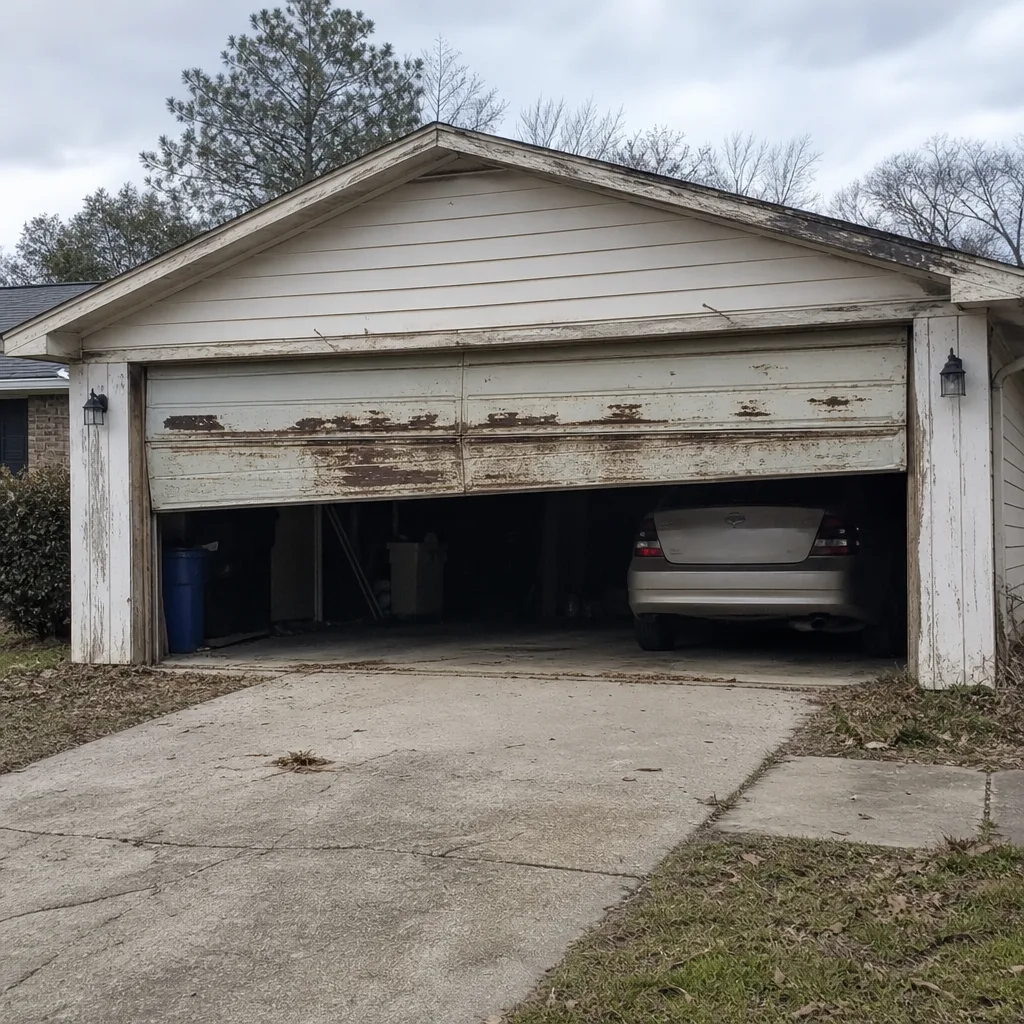
- Sagging or a bowed bottom section: Structural. Often water damage to a wood door or impact damage to a steel or aluminum panel. A bowed bottom section can catch the weather seal and cause the opener to reverse.
- Cracks in wood panels: Structural if they run through the full thickness. Surface checking and hairline cracks in the finish are cosmetic.
- Rust spots on springs or hinges: In Tuscaloosa, this often means the finish protectant has broken down from humidity and is speeding wear. Rust alone isn’t the failure, but it’s a sign the component is closer to the end of its service life.
- Bent tracks: Structural. Even a small bend can force the door to catch during travel and cause a reversal or an opener force trip.
- Loose or missing bolts on hinges: Can be cosmetic if caught early, structural if the hinge plate is separating from the panel.
- Cracked or warped bottom seal: Mostly a weather issue in Tuscaloosa’s humidity, but a warped seal can also catch and cause the door to lift unevenly.
Walk around the door with a flashlight twice a year. Lay a straight edge across the top of the door when it’s closed to check for sag. If a section is out of alignment, don’t try to bend it back into place yourself. The panels carry serious tension with the springs attached to them, and a misadjusted panel can drop. A specialist evaluates whether the panel can be realigned or needs replacement.
The 60-Second Manual Balance Test
The manual balance test separates a mechanical problem from an opener problem, and it takes under a minute. You’re checking whether the door holds itself up unassisted. If it doesn’t, the springs are the issue, not the motor. If the motor struggles, it’s because the door is too heavy for it. If the motor works fine but the door doesn’t, the door is the problem.
- Close the door completely. Make sure nothing is under it.
- Disconnect the opener using the manual release cord or handle. Pull it toward the door.
- Lift the door with both hands to about waist height. Use a slow, steady lift – don’t yank it.
- Let go, but keep both hands close to the door. Don’t step away.
- Watch what the door does. A properly balanced door holds its position within a few inches. A door that drops means the springs have lost tension. A door that rises on its own means the springs are over-tensioned.
- Reconnect the opener when you’re done. Never leave the door disconnected.
If the door drops, stop testing and schedule a repair. The springs are still under tension even though they’ve failed, and there’s a breaking or dropping risk. If it balances but you can still hear a grinding or popping during operation, the mechanical fault is probably downstream of the spring – likely a roller, hinge, or cable. This test does not tell you which component is failing; it tells you whether the door is holding weight correctly, which is the starting point for diagnosis. When the balance test comes back questionable, call (855) 758-0653. We answer 24/7, with fast dispatch from 7am to 7pm.
How Tuscaloosa Humidity Masks Mechanical Wear
Tuscaloosa’s humidity does something specific to garage door diagnostics: it makes cosmetic symptoms from moisture look like the problem, while hiding the mechanical symptoms that actually are. A homeowner sees swollen wood at the bottom of a door panel and assumes that’s why the door is slow. The real cause is often spring fatigue, and the swelling is a separate, slow issue.
Here’s how humidity symptoms usually present compared to mechanical wear:
- Swollen wood panels: Show up as a tight fit in the tracks, sometimes a sticking point at the bottom. Mechanical wear in the same area presents as an uneven or jerky motion, not a firm fit. If the door moves unevenly at any point above the bottom 12 inches, the issue is probably mechanical.
- Corroded springs and hinges: Humidity accelerates corrosion on unprotected metal. A rusted spring is weaker than a clean one at the same age. Look for rust flaking off the spring coil, not just surface discoloration.
- Warped bottom seals: Common in Tuscaloosa, and often just a weather-seal replacement. But a warped seal can also create a drag point that trips the opener’s force limit and causes repeated reversals.
- Sticking rollers: Metal rollers that have absorbed moisture can stick rather than roll, producing a grinding sound that mimics a misaligned track.
- Opener drive belt swelling: Belt-driven openers can develop slack after a humid summer, producing a sagging, uneven travel rather than a clean mechanical fault.
The takeaway: treat humidity symptoms as weather issues and mechanical symptoms as mechanical issues, even when both appear on the same door. A Wayne Dalton steel door and an Amarr wood-look door will show humidity differently, but neither will mask a failing spring indefinitely. If two or more of these humidity symptoms appear on the same door with a spring warning sign like slowness, assume the spring is the priority call.
Why Two Minor Symptoms Matter More Than One
Two small signs on the same door are more serious than either would be alone. A single grinding roller is usually a small repair. A single slow cycle is a spring to inspect. But a grinding roller plus a slow cycle usually means the door has been compensating for spring weakness, and the roller wear is a symptom of the load transfer. That pair of symptoms often means the spring is close to failing, and the roller will fail next once the spring is replaced.
Here’s the compounding pattern in practice:
- Slowness plus occasional grinding: The opener is working harder to move a heavier door. Bearings and rollers are absorbing the extra load. Small spring wear plus a small roller problem gets interpreted as one “old door” issue.
- Grinding plus a visible gap at the top: The door is lifting unevenly, and one panel is under more stress than the others. Without intervention the panel will start to crack.
- Slow cycle plus a reversal at the bottom: The opener’s force limit is tripping because it can’t close the door at expected speed. The reversal isn’t a sensor failure – it’s a compensated heavier door.
- Loud popping plus a door that won’t close all the way: The spring has already partly failed. This is no longer compounding warning signs – it’s a failure in progress. Stop using the door.
Homeowners often report only the loudest symptom when they call. In our experience the pair of minor symptoms is what tells the fuller story. If you have two or more of the signs in this guide at once, treat that as a full inspection rather than a spot repair. Our technicians have up to 9 years of experience and work on the equipment most Tuscaloosa homes already have, including Genie and LiftMaster openers and Wayne Dalton and Clopay doors. For a fuller picture of what our focused service looks like, see Ashby Garage Door Repair.
Immediate Safety Risks vs. Signs You Can Monitor
Not every warning sign means stop the door. Some signs warrant a scheduled repair, and some mean the door should not be used again until a technician inspects it. Getting the distinction right is the difference between a repair and a dangerous failure.
Signs that mean stop using the door now:
- A loud bang from the torsion bar, followed by the door becoming extremely heavy
- The door hanging unevenly from the tracks, with one side visibly lower
- A cable visibly off its drum or hanging loose
- Any visible crack through a steel or aluminum panel near the bottom corner
- Grinding or popping sounds from the garage when nobody is operating the door
Signs you can monitor for a scheduled repair:
- Slower cycle time than last month
- Occasional rattling or slight grinding during travel
- Surface rust on hinges or rollers
- A minor weather-seal gap at the bottom
- A single slow-reversing cycle that doesn’t repeat
The “immediate risk” category is where homeowners get hurt. High-tension torsion springs and cables carry stored energy even after they break, and a broken spring can cause a door to drop without warning. This is a component a trained technician handles, not a homeowner. That’s also why we don’t publish how-to steps for spring or cable work. If the door is in the immediate-risk list, keep it closed, keep the car out, and call for an inspection. Our team at Tuscaloosa handles this kind of call regularly. We answer 24/7. Fast dispatch from 7am to 7pm, Sunday through Friday, closed Saturday.
Opener Warning Signs: When the Motor Is the Problem
Opener problems can look like door problems. A door that reverses, jerks, or struggles may be responding to a failing motor, or the door may be failing and the motor is just the messenger. The manual balance test from earlier in this guide handles that question cleanly. If the door balances correctly and still misbehaves, the opener is usually the source.
Opener-specific warning signs include:
- Repeated force-limit trips despite a balanced door
- Opener runs but the door doesn’t move (a stripped drive gear, common on older Genie and Chamberlain models)
- Remote or keypad range dropping – a fading receiver or a battery issue, worth checking before assuming the opener is failing
- Lights flashing in a pattern – most openers use a diagnostic code, and the code tells you whether it’s a sensor, a motor, or a safety fault
- Grinding or whining from the housing – worn gears or a failing motor bearing
- Wall switch works but remotes don’t – a receiver or logic-board problem
Opener diagnostics are their own trade skill. A door specialist reads the diagnostic code, tests the force limits, and confirms whether the motor or the door is the source before recommending a repair. If the opener is failing, garage door opener repair usually resolves the issue without replacing the whole unit. If the door is the problem, the opener gets a clean bill of health before we move on to the door repair.
Common Mistakes to Avoid
- Assuming slowness is just an old opener. In our experience slow cycles are usually the spring, not the motor. Replacing a working opener to fix a spring problem wastes money and leaves the real issue in place.
- Ignoring a small grinding sound for weeks. Grinding rollers, hinges, or tracks compound quickly. A roller problem that starts as a squeak becomes a bent track or a damaged panel by the time it’s loud.
- Watching for the loudest symptom instead of the earliest one. A garage door gives weeks of quiet warnings before it fails loudly. Timing the cycle once a month catches what waiting for a bang misses.
- Using the door after a torsion spring has snapped. The door can drop without warning once the spring has failed. Keep it closed and disconnected from the opener until a technician inspects it.
- Treating Tuscaloosa humidity as the only explanation for a moisture problem. Swollen panels and warped seals are weather issues; grinding and slow cycles are mechanical. Assuming every symptom is humidity delays the repair that matters.
- Adjusting the opener’s force limit to push past a slowdown. The force limit exists to protect the door and the operator. Raising it to compensate for a heavier door masks the spring problem and risks the panel.
- Assuming one repair covers all symptoms. A single inspection catches what’s actually failing; a single spot repair fixes what’s loudest. If you have two or more signs from this guide, ask for a full evaluation rather than a spot fix.
See the difference
 Before
 After
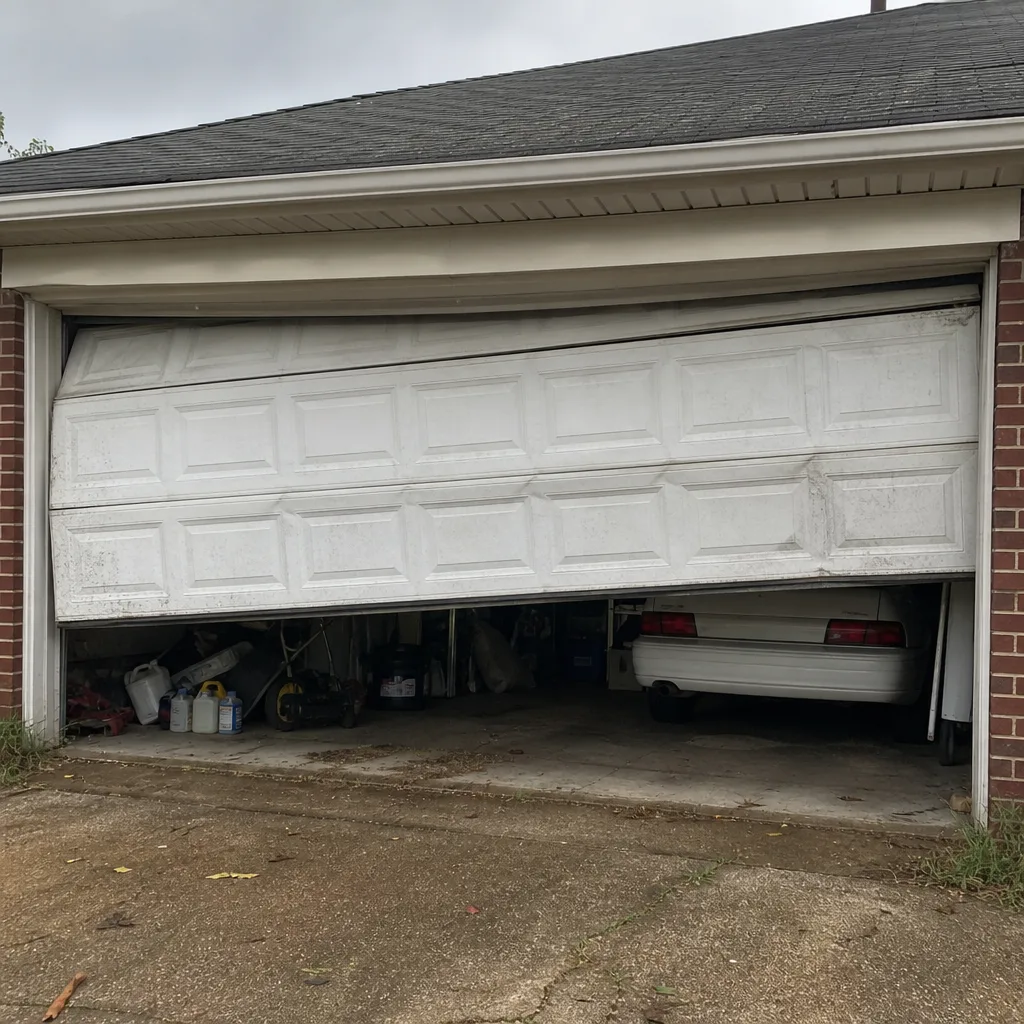 Before
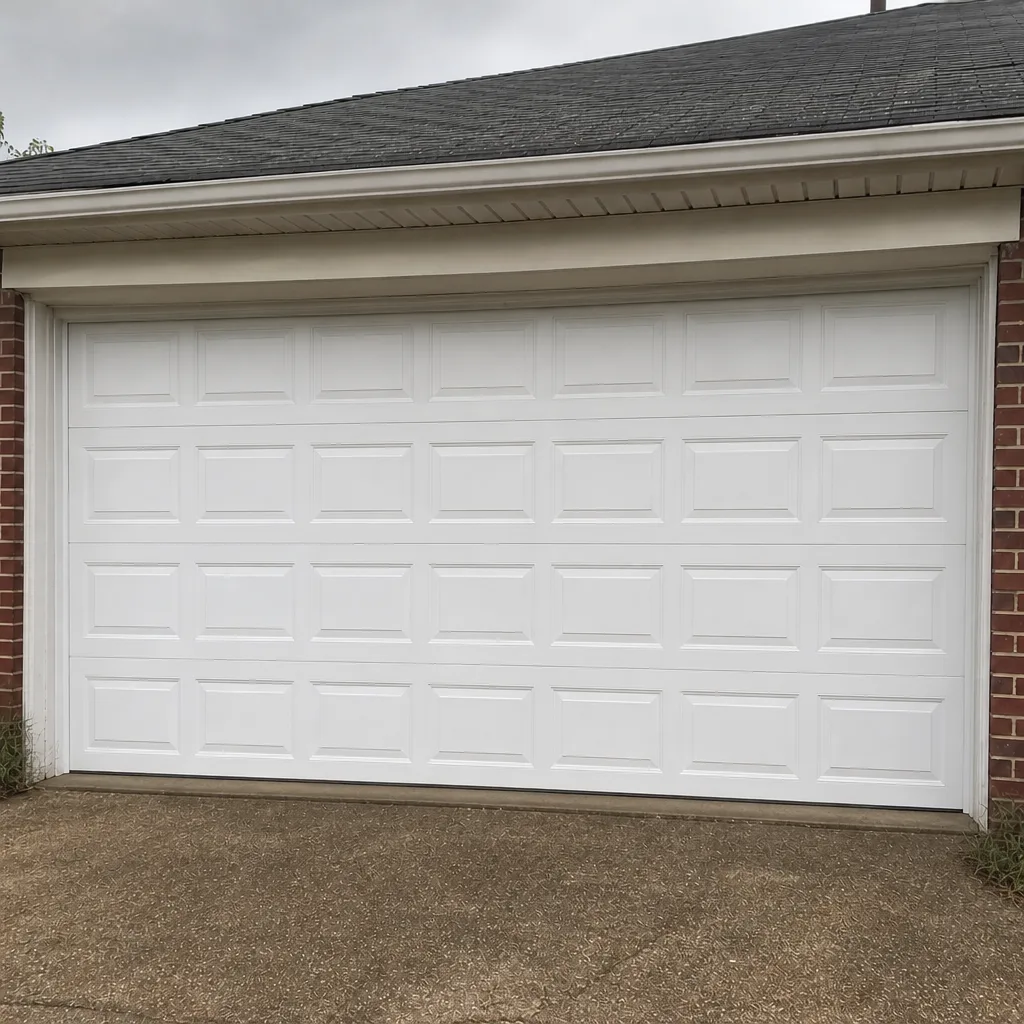 After
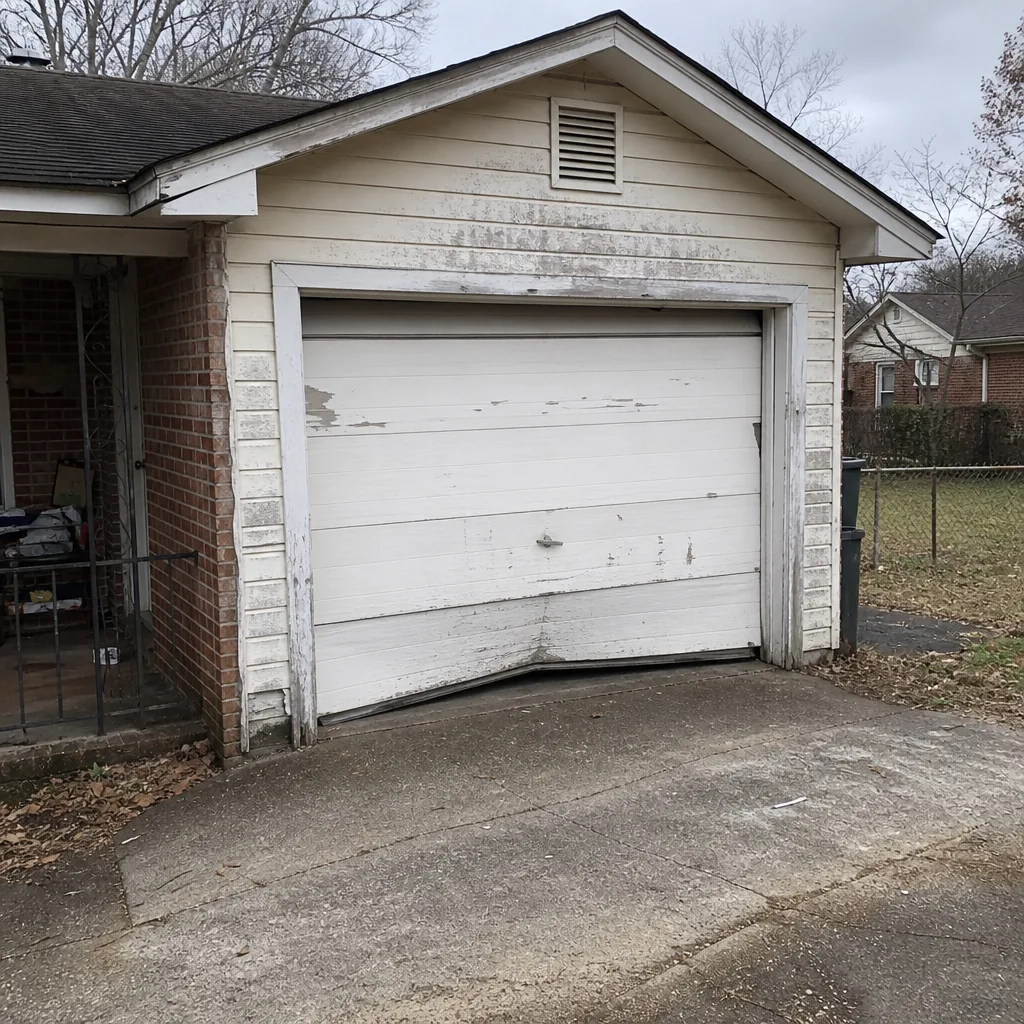 Before
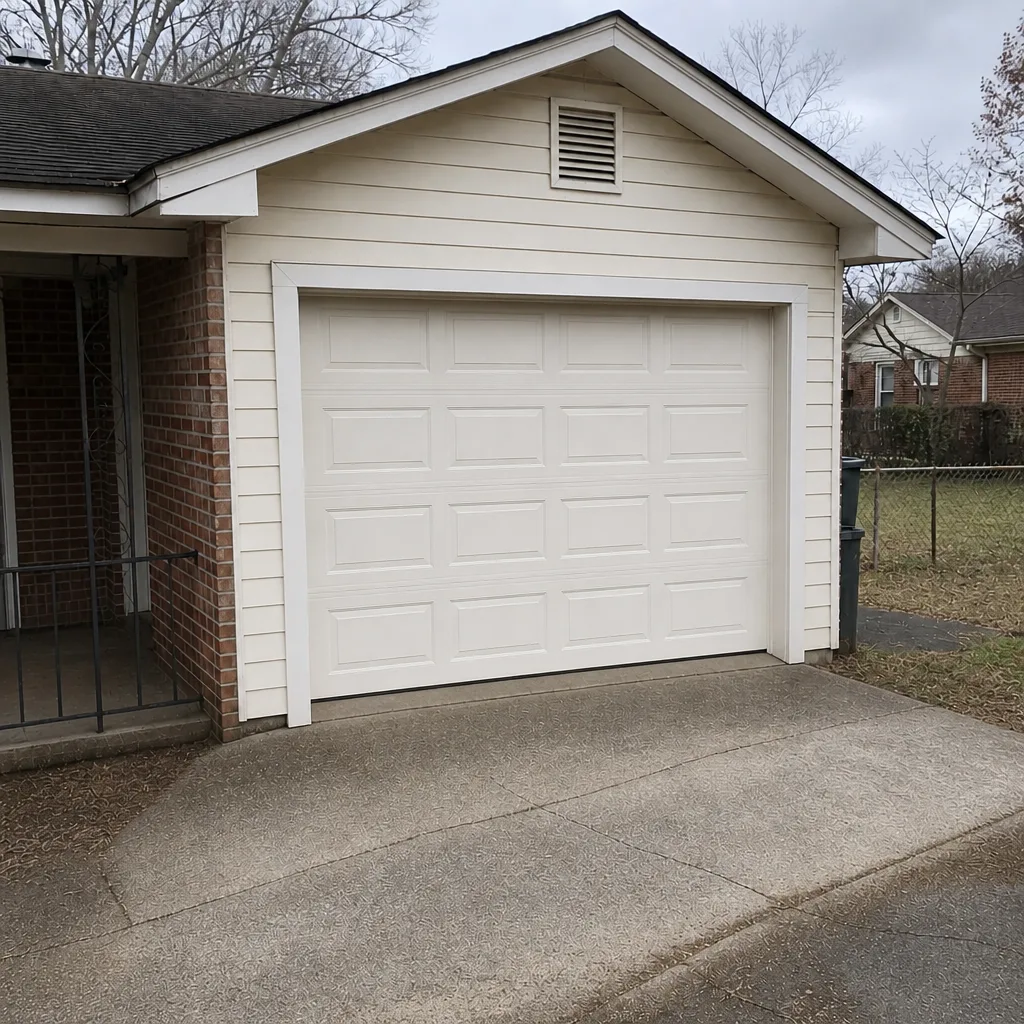 After
When to Call a Professional
Call a professional when the balance test shows a door that drops, when you visibly see a cable off its drum or a door hanging unevenly, or when the door produces a loud bang from the torsion bar. Those are stop-using-the-door situations. Call for a scheduled visit when you have two or more of the low-risk signs from this guide lasting more than a couple of weeks. Call when the opener reverses repeatedly despite a balanced door, when a grinding sound has shifted location or worsened, or when you can’t tell whether a symptom is humidity-driven or mechanical. Ashby Garage Door Repair offers free estimates in Tuscaloosa – call (855) 758-0653. We answer 24/7. Fast dispatch from 7am to 7pm, Sunday through Friday, closed Saturday.
Frequently Asked Questions
The most common warning signs are a slower cycle time than usual, grinding or popping during travel, a door that drifts down after closing, and visible gaps between panels. In Tuscaloosa specifically, humidity-related symptoms like warped bottom seals and surface rust are common too, and they often appear alongside the mechanical signs rather than instead of them. If you have two or more at once, schedule an inspection. Call (855) 758-0653 for an exact quote – estimates are free.
A torsion spring typically gives weeks to months of warning before it breaks, and the first sign is usually slower opening, not a sound. That gap is why a manual balance test once a month is the most reliable early warning tool. If the balance test shows a door that drops, book an inspection before the spring fails under load.
It depends on where the grinding is coming from and how it’s behaving. A light grinding from a single spot on the track is usually safe to operate until a scheduled visit. Grinding from the middle of the door, from the torsion bar, or any grinding combined with a slow cycle means stop using the door and call a technician. The manual balance test tells you which situation you’re in.
Humidity affects a door two ways. Swollen wood panels tighten the fit in the tracks, and corroded springs lose a small amount of tension. When the door gets slower in the humid months, that’s usually the humidity. When it stays slow after the dry season ends, the spring is the cause, not the weather. That seasonal comparison tells you which issue to address.
The manual balance test answers that in under a minute. Disconnect the opener, lift the door to waist height, and let go with your hands ready to catch it. If the door holds its position, the door is fine and the opener is the problem. If the door drops, the door is the problem and the opener is working correctly. Either way, call (855) 758-0653 for an exact quote – estimates are free.
Yes. Our technicians are licensed and insured, and they specialize exclusively in garage doors rather than dividing attention across other trades. Our technicians have up to 9 years of experience and work on the brands most Tuscaloosa homes already own, including Genie, Chamberlain, Clopay, and Amarr. Call (855) 758-0653 for a free estimate.
The Bottom Line
A garage door failure leaves a readable trail. Slowness, grinding, and a door that won’t stay level are all mechanical signals with predictable timelines, not minor annoyances to wait out. The 60-second manual balance test is your best early-warning tool; two minor symptoms together are worth a professional inspection; and any bang from the torsion bar is a stop-using-the-door moment. In Tuscaloosa, humidity complicates the picture by masking mechanical signs with cosmetic ones, which is why we recommend a seasonal walkaround and a timed baseline. When the trail points to a repair, one call handles it. Call (855) 758-0653 for a free estimate. We answer 24/7. Fast dispatch from 7am to 7pm, Sunday through Friday, closed Saturday.
Written by the team at Ashby Garage Door Repair.