
Last updated November 15, 2026
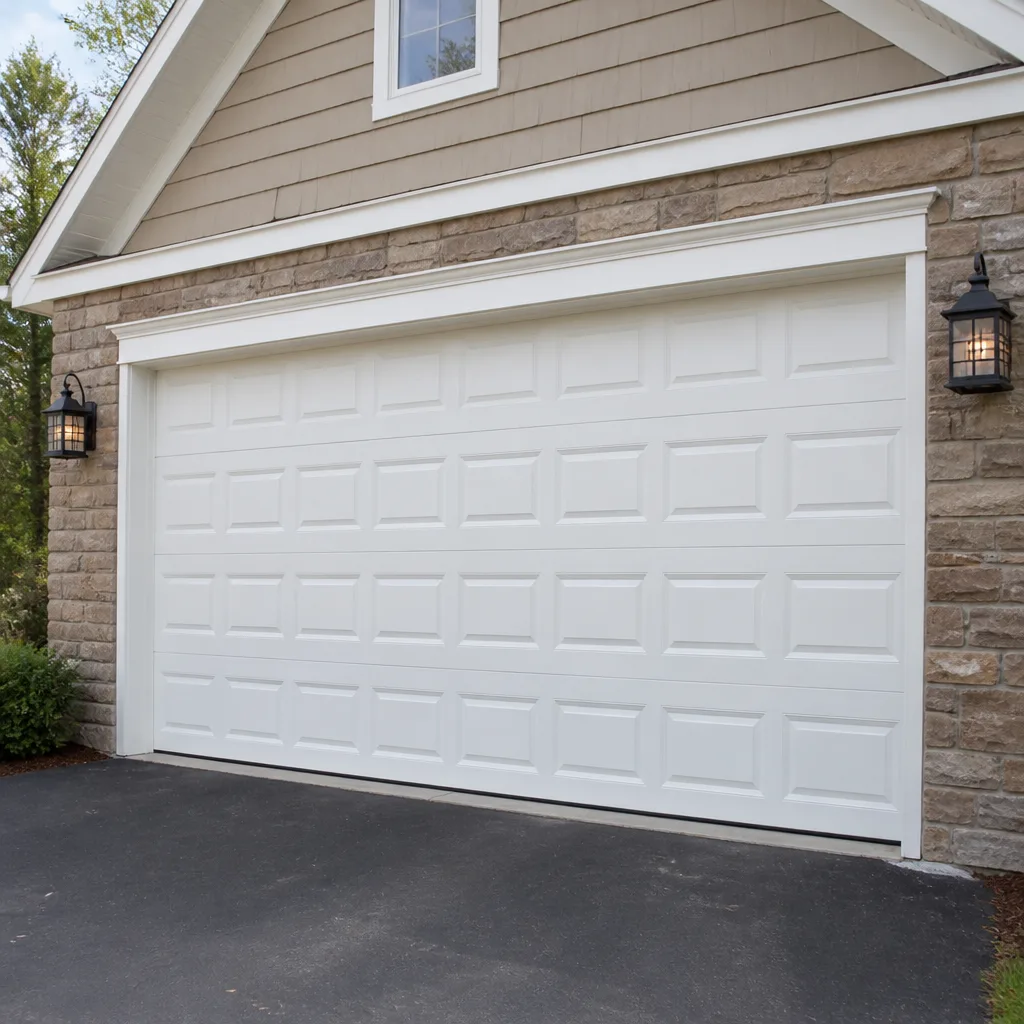 Raised-panel steel
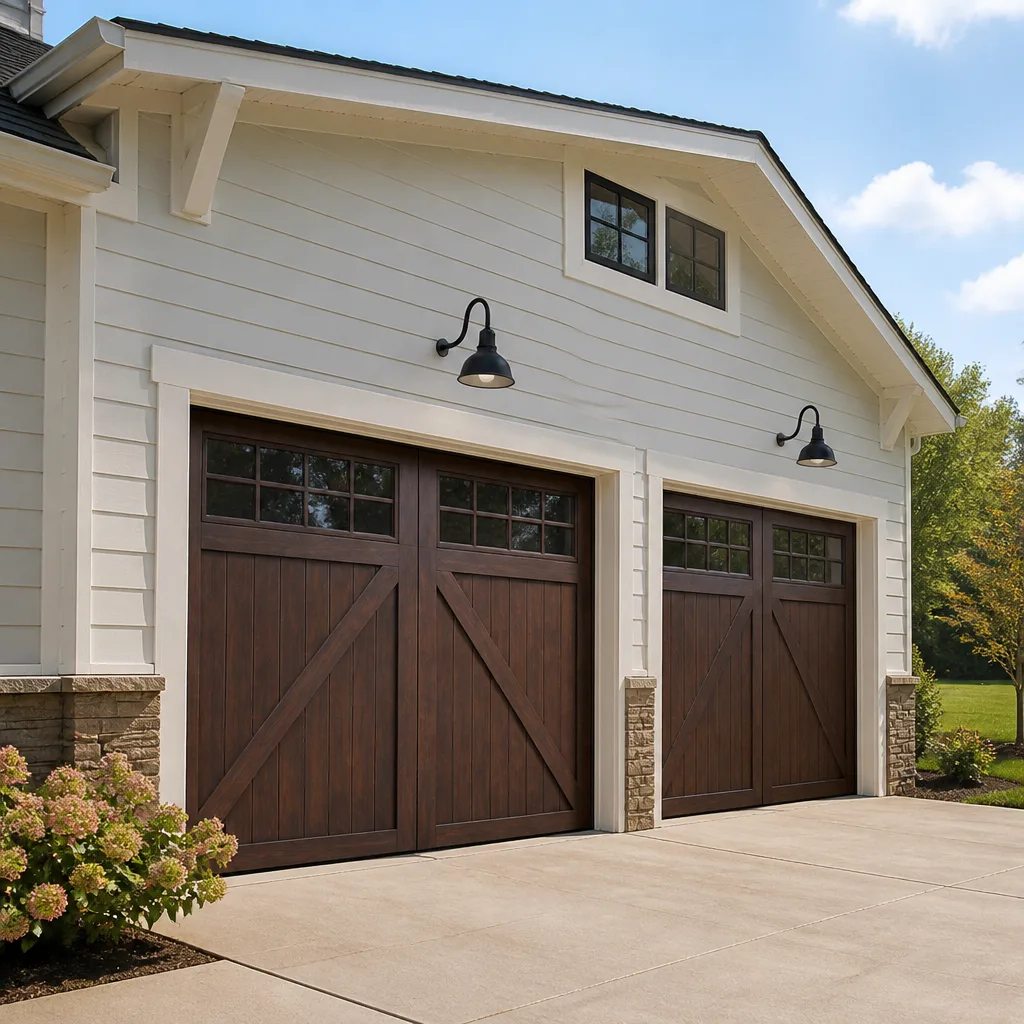 Carriage house
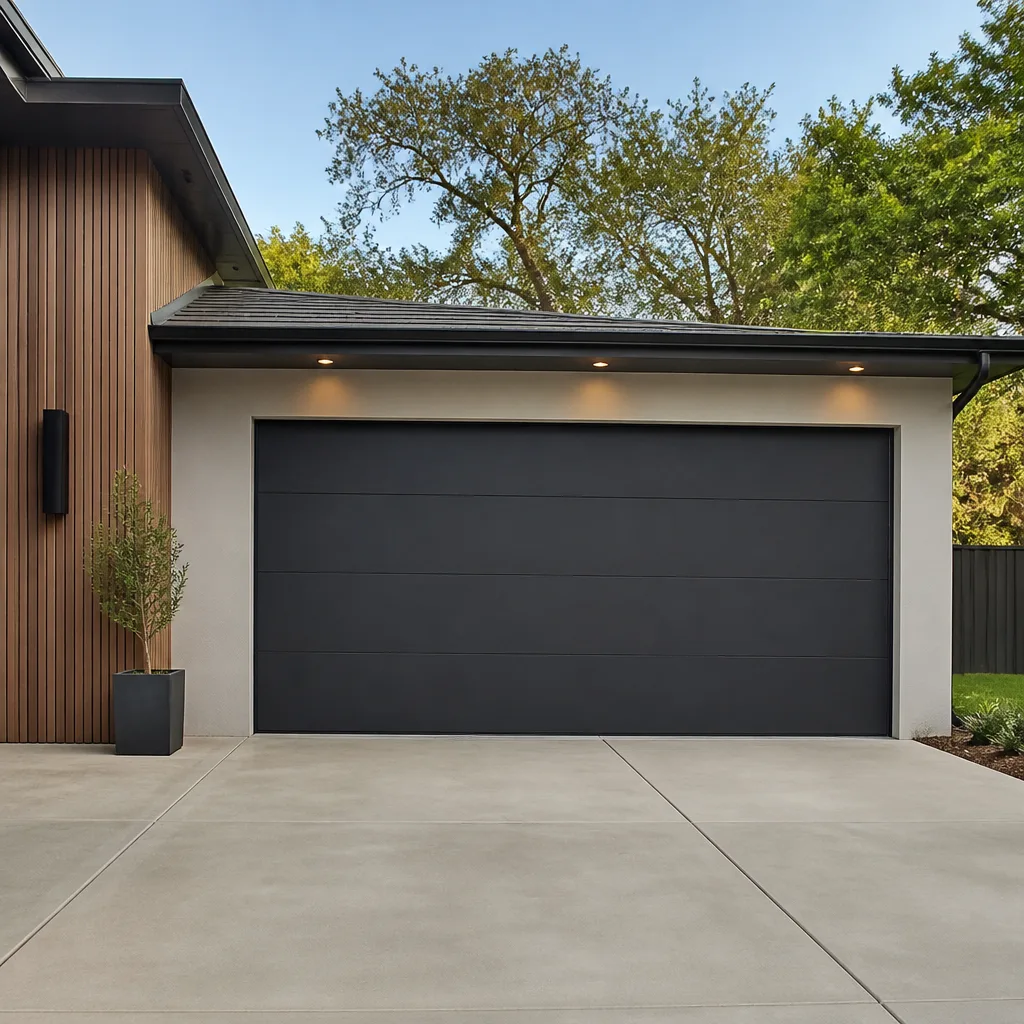 Modern flush
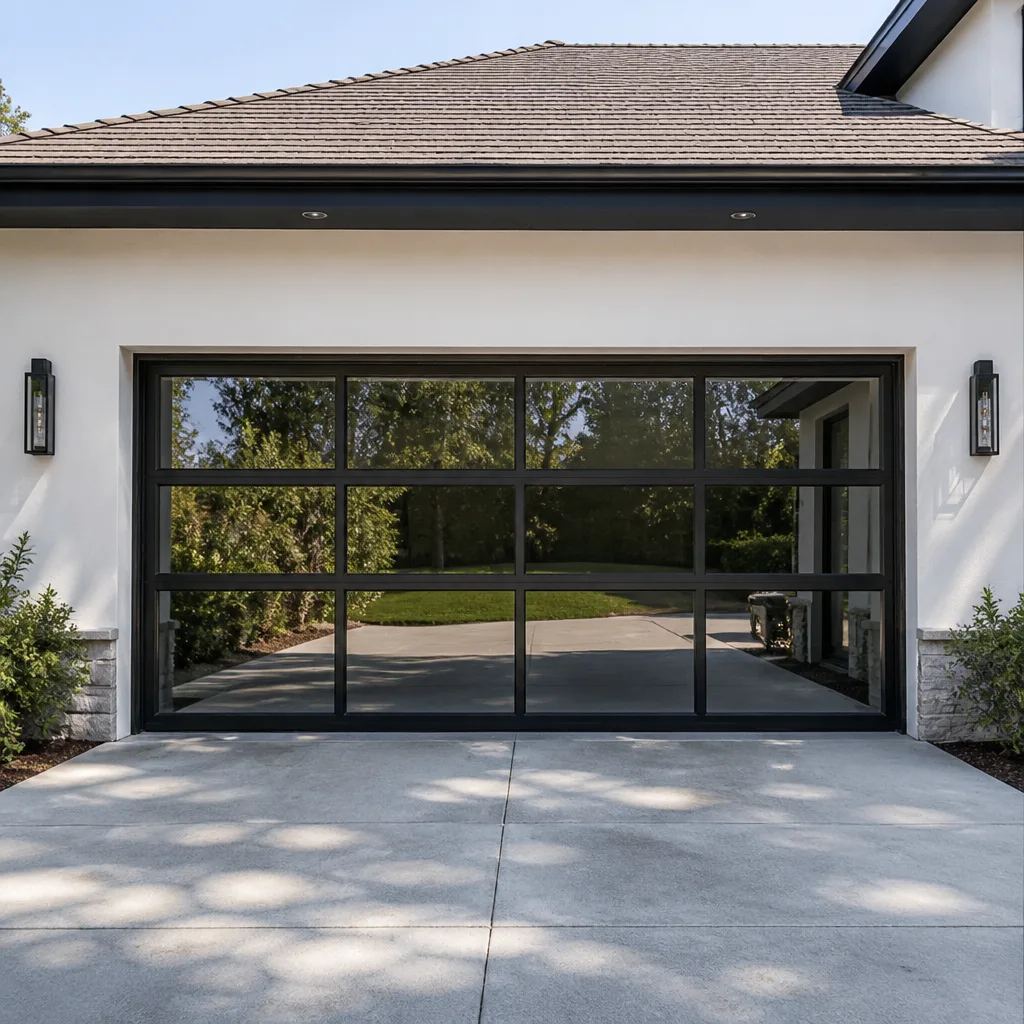 Full-view glass
 LiftMaster openers
 Chamberlain openers
Full 25-point door and opener safety check with every visit - springs, cables, rollers, tracks, and your LiftMaster or Chamberlain opener included
You get a price before we start. It does not change when the pro arrives.
Get your free estimateGarage Door Repair Troubleshooting in Tuscaloosa: Common Problems and How to Fix Them
Your door isn’t just “broken.” It’s telling you something specific. A door that reverses before it touches the floor has almost nothing in common with one that won’t budge at all, and treating those two symptoms as the same problem is the fastest way to spend an afternoon in the driveway and still end up calling for help. In our experience across Tuscaloosa, the smartest thing a homeowner can do is match the symptom to its root cause before touching a single tool. That’s exactly what this guide does: it works backward from what you see and hear, groups every common failure into five root-cause families, and tells you plainly which ones you can handle and which ones belong to a trained technician.
Quick Answer
Most garage door problems in Tuscaloosa fall into five root-cause categories: opener logic or settings, mechanical wear (rollers, hinges, tracks), spring and cable failure, environmental movement from humidity and heat, and power or safety-sensor faults. Noise, stalling, and reversal are usually settings or wear you can check yourself. A snapped spring, a hanging cable, or a door off its track is a professional job, because those parts hold stored tension that can injure someone badly. Diagnose the symptom first, then decide.
Styles & brands we work with
- Raised-panel steel
- Carriage house
- Modern flush
- Full-view glass
- LiftMaster openers
- Chamberlain openers
Table of Contents
- The Five Root Causes Behind Almost Every Garage Door Problem
- Why Is My Garage Door So Noisy?
- Why Does My Door Reverse Before It Closes?
- What Does It Mean When the Door Only Opens Partway?
- My Opener Is Dead: Power, Sensors, or Logic Board?
- When the Door Is Off-Track or a Cable Is Hanging
- Humidity, Heat, and How Tuscaloosa’s Seasons Change Door Behavior
- Opener Error Codes for Chamberlain, LiftMaster, and Genie
- The Check Homeowners Always Skip: Travel Limits and Force Settings
- Common Mistakes to Avoid
- When to Call a Professional
- Frequently Asked Questions
- The Bottom Line
The Five Root Causes Behind Almost Every Garage Door Problem
Every symptom you’ll read about below traces back to one of five families. Knowing the family narrows the fix immediately, and it tells you whether the job is safe to attempt.
- Opener logic and settings. Travel limits, force sensitivity, remote pairing, and safety-sensor alignment. No parts wear out here; the opener just needs to be told what to do.
- Mechanical wear. Rollers, hinges, bearings, and the torsion or extension hardware. These degrade slowly, then announce themselves with noise or uneven movement.
- Spring and cable failure. The single most dangerous category. Torsion springs, extension springs, and the cables under load store enormous energy. A failure here is loud, sudden, and never a do-it-yourself job.
- Environmental movement. In Tuscaloosa, humidity swings and summer heat move wood and steel at different rates, and that movement shows up as binding, sticking, or a door that seals one week and gaps the next.
- Power and sensor faults. A tripped breaker, a dead outlet, or a misaligned photo-eye stops the door without any mechanical problem at all.
When we diagnose a door, we start by asking what the door does, not what part the homeowner suspects. That order matters. A grinding noise and a door that reverses can share a cause, or they can be two separate problems on the same door. The symptom-first approach keeps you from replacing a part that was never the issue. It’s also why we work across the brands most Tuscaloosa homes actually have – LiftMaster, Chamberlain, Genie, Clopay, and others – because the diagnosis method is the same regardless of the label on the motorhead.
Why Is My Garage Door So Noisy?
Noise almost always means friction, and friction has a short list of sources. A squeal that started gradually and gets worse is usually rollers or hinges. A grinding that sounds like it’s coming from the motorhead itself is a different matter and points to the opener’s gears or the drive mechanism.
- Squealing on travel: dry or worn steel rollers. Plastic rollers get noisy and cracked with age and heat.
- Rattling and banging: loose hinges, a loose chain, or a door panel that’s vibrating against the track.
- Grinding from the motorhead: worn gears inside the opener, common on older units and worth a professional look before it seizes.
- Popping: a torsion spring under stress or a cable that’s slipped its drum. Treat popping as urgent, not cosmetic.
Lubrication quiets hinge and roller noise, and it’s one of the few maintenance tasks a homeowner can safely do. Apply a garage-door-specific lubricant to hinges, rollers, and the torsion bar bearing plates – not to the tracks themselves, which should stay dry and clean. If the door is quieter for a few days and then noisy again, the underlying parts are worn, and lubrication is buying time rather than fixing the cause.
One local note: noise complaints tend to spike in Tuscaloosa in late summer, when heat has been working on the same plastic and rubber components for months. A door that was quiet in spring and sounds like a hinge factory by August usually just needs rollers and a hinge check.
Why Does My Door Reverse Before It Closes?
A door that reverses before touching the floor is doing its job – it’s obeying a safety input it may not need to obey. The opener is designed to stop and reverse when it senses resistance or a broken photo-eye beam. Nine times out of ten, the cause is one of just a few things, and none of them is a broken part.
- Check the safety sensors at the bottom of the tracks. If the indicator light is off or blinking, the beam is blocked or the sensors are out of alignment.
- Look for an obstruction in the door’s path. A small object, a sagging weather seal, or debris on the floor at the threshold will trip the reversal.
- Test the door balance by hand. With the opener disconnected, lift the door halfway. If it won’t stay put, the door is out of balance, and the opener is reversing because it’s fighting weight it shouldn’t be carrying.
- Check the travel limit and force settings on the opener itself. If the force is set too sensitive, the door will reverse on normal resistance. This is the check most homeowners skip, and it resolves a large share of reversal complaints without a single new part.
If the sensors are aligned, the path is clear, the door balances, and the settings are correct, the reversal is likely coming from the opener’s logic board or a failing sensor, which is where a trained eye saves time. For Tuscaloosa doors, that diagnosis is part of standard garage door opener repair rather than a whole-door replacement – the door itself is fine; the control system isn’t.
What Does It Mean When the Door Only Opens Partway?
A door that starts up and stops partway, or reverses back down, is usually hitting a limit setting or a force trip. The good news is that partial travel is one of the most diagnosable symptoms on the list, and it’s rarely an emergency.
Here’s what to check in order:
- Up limit setting. If the door stops at the same height every time, the opener thinks that height is fully open. A small adjustment to the up travel limit fixes it.
- Force setting. If the door stops at a different height or reverses mid-travel, the opener is sensing resistance. Binding tracks, a dry roller, or a slightly bent track can all trigger it.
- Door balance. An out-of-balance door makes the opener work harder, and on a unit near its limit that reads as “stop.”
- A binding track. Run the door by hand and feel for a section that drags. A track that’s been bumped or has rust in the channel will stall the door at exactly that spot.
Partial travel that came on gradually, over weeks, is almost always a setting that drifted or wear that accumulated. Partial travel that started suddenly, especially right after a loud pop, points to a spring that’s lost tension. Those two scenarios call for very different responses, and the pop is your cue to stop operating the door.
My Opener Is Dead: Power, Sensors, or Logic Board?
A completely unresponsive opener is a different animal from a noisy or reversing one, and the diagnostic path is shorter. Before anything else, confirm the opener has power. Check the breaker, test the wall outlet with a lamp, and look for a tripped GFCI on the same circuit – Tuscaloosa garages often share a circuit with outdoor outlets, and a wet spring can trip that circuit. If the outlet is dead, you’ve found your problem and it isn’t the door.
If the outlet has power, move to the opener itself:
- Wall control versus remote. If the wall button works but the remote doesn’t, the issue is the remote or the receiver, not the opener.
- Lock feature. Many LiftMaster and Chamberlain wall controls have a vacation-lock function. It’s easy to trip and it disables the remotes entirely.
- Safety sensor light. A steady or blinking sensor indicator tells you the logic board is alive and the sensor circuit is the interruption.
- Nothing at all. No lights, no click, no response with confirmed power at the outlet usually means the logic board or the motor capacitor. That’s a genuine opener repair, not an adjustment.
When a board or capacitor fails, the decision is repair versus replacement, and it should be based on the opener’s condition rather than its brand. We service LiftMaster, Chamberlain, Genie, and several other manufacturers, so we have no reason to push you toward one label. Honest diagnosis first is the only approach that makes sense when the alternatives are a repair and a full replacement.
When the Door Is Off-Track or a Cable Is Hanging
Stop operating the door the moment you see it off its track, and stop immediately if a cable is slack or hanging. These are the two situations where a homeowner can turn a fixable problem into a dangerous one in a single button press.
An off-track door means a roller has jumped the channel or the track itself has been bent. Running the opener on a door that’s off its track can bend panels, warp the track further, and – worst case – drop the door. A hanging cable means the tension that’s supposed to be held by that cable is now somewhere else, and the door’s weight is supported unevenly. Both are situations for a trained technician. We didn’t list “how to reset the cable” here on purpose: that work involves stored spring tension, and the safe way is to have it handled on-site.
The same goes for springs. A torsion spring that snaps makes a sound like a gunshot and leaves the door nearly impossible to lift; an extension spring failure is quieter but equally unsafe to handle. Never try to unwind, cut, or adjust a spring to get the door working well enough to close. Call for garage door repair and keep people and vehicles clear of the door until it’s been assessed.
Humidity, Heat, and How Tuscaloosa’s Seasons Change Door Behavior
Some “problems” aren’t mechanical at all. Tuscaloosa’s humidity swings and summer heat change how wood and steel doors behave, and the tell is a symptom that appears with the season and disappears when it passes.
Wood doors absorb moisture in humid months and swell, which shows up as a door that binds in the frame, seals that stick, or a door that suddenly needs more force to close. Steel doors expand and contract with temperature, and a door that gaps at the bottom on a hot afternoon but seals at night is behaving normally for its material. A door that’s hard to move only in July and fine in October probably isn’t broken – it’s telling you about its material.
- Seasonal sticking on a wood door: swelling, not a mechanical failure. Weatherstripping and hardware adjustments usually resolve it.
- Seasonal gaps on a steel door: normal thermal movement. A weather seal check is the practical fix.
- A symptom that never goes away: wear or a setting, not the environment. That’s when diagnosis matters.
In our experience, the hardest part of Tuscaloosa diagnostics is separating environmental behavior from real wear, because the two look alike for a few weeks each year. The simple test is timing. Track when the symptom appears and when it disappears. If it follows the weather, treat it as a seal and fit issue. If it’s constant, it’s mechanical, and it’s worth a professional opinion before it gets worse. If you’re not sure which category your door falls into, a look at our Tuscaloosa service page is a reasonable next step.
Opener Error Codes for Chamberlain, LiftMaster, and Genie
Error codes are the opener telling you exactly what it thinks is wrong. The codes differ by brand, and knowing where to look saves an unnecessary service call. Here’s what we’ve seen most often on the brands common in Tuscaloosa neighborhoods.
- Chamberlain and LiftMaster (up-arrow code convention): a repeating sequence of up-arrow flashes points to a sensor or travel issue. More up-arrow flashes than down-arrow flashes usually means the door didn’t close within the expected window, and the sensors are the first place to look.
- Chamberlain and LiftMaster (down-arrow code convention): more down-arrow flashes than up means the door didn’t open within its window – typically a travel limit or force setting that needs adjusting.
- Genie: most Genie openers use a blinking light count or a diagnostic light pattern rather than arrow codes. A sensor obstruction shows up as a blinking sensor LED, and a limit or force problem shows up as the door stopping short on one side of travel.
- Common to all three: a code that clears when the obstruction is removed is a sensor fault, and a code that persists is a setting or board fault.
Our advice with any brand is the same: clear the obstruction, re-align the sensors, and re-test before you read anything more into the code. A code that returns after that sequence is meaningful. A code you only saw once, right after a garage door was left ajar, usually isn’t. Ashby Garage Door Repair works on LiftMaster, Chamberlain, Genie, Clopay, Amarr, Wayne Dalton, Craftsman, and Raynor, so the code chart in your manual has a good chance of being one we see every week.
The Check Homeowners Always Skip: Travel Limits and Force Settings
If there’s one adjustment that resolves the most reversal and stalling complaints without any new parts, it’s the travel limit and force settings on the opener. Most homeowners never touch them. A door that reverses at the floor, stops partway, or nudges back up mid-travel is often a two-setting fix, and it takes minutes to verify.
- Disconnect the opener from the door using the manual release, and test the door by hand. If it doesn’t balance and move smoothly by hand, stop and fix the balance first. The settings can’t compensate for a door that’s binding.
- Find the up and down limit adjustments on the opener. On Chamberlain and LiftMaster units these are typically labeled on the motorhead cover; on Genie units the adjustment screws are on the side or back.
- Set the down limit so the door seals firmly without the opener forcing it into the floor, and the up limit so the door clears the opening fully with a small margin.
- Adjust the force setting only after the limits are correct. Force should be set just high enough for the door to travel without reversing on normal resistance.
- Reconnect the door and run a full open/close cycle. Watch the door, not the opener, for the first cycle after any adjustment.
Two warnings: never use force settings to compensate for a door that’s binding, and never run the door with the springs or cables exposed while testing. If you make the adjustment and the symptom comes back in a week, the door has a mechanical problem the settings are masking, and it needs a professional diagnosis. Setting adjustments are safe; chasing a binding door with the force setting is not.
See the difference
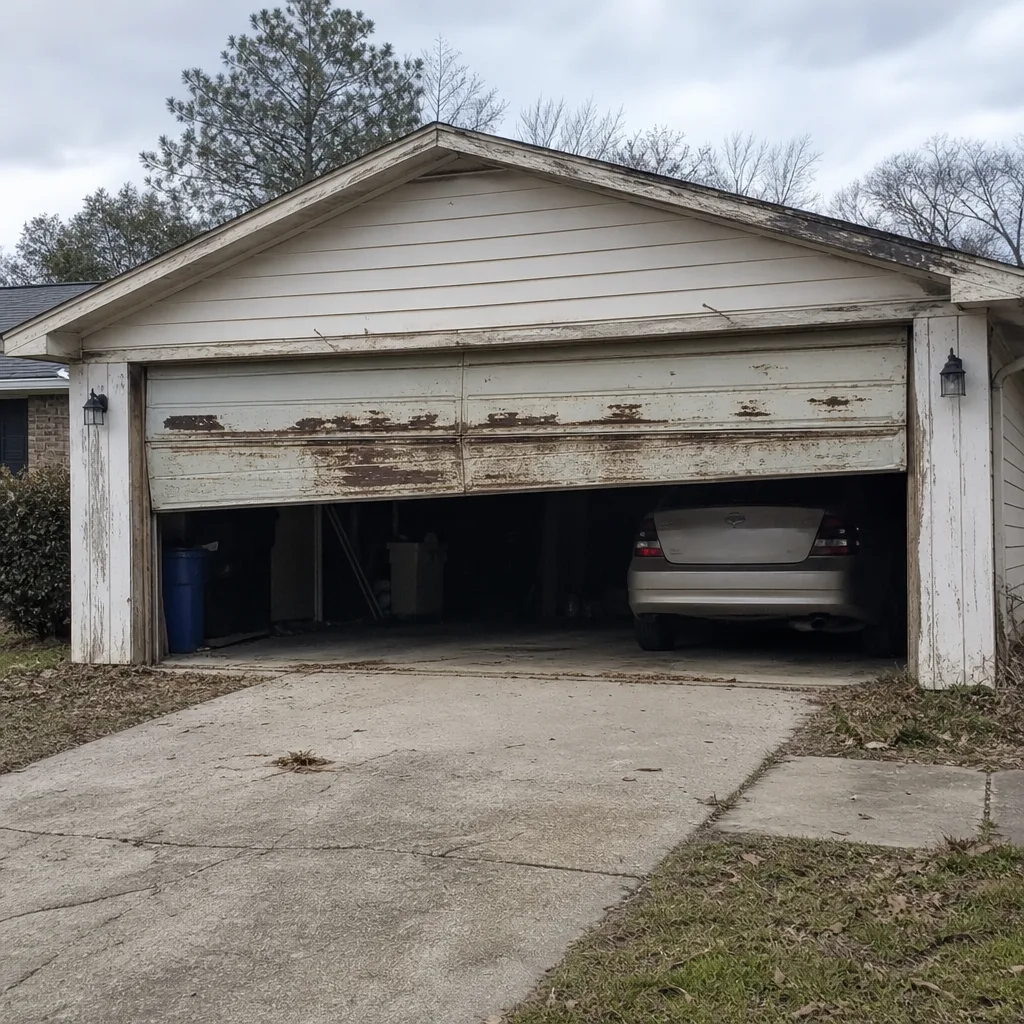 Before
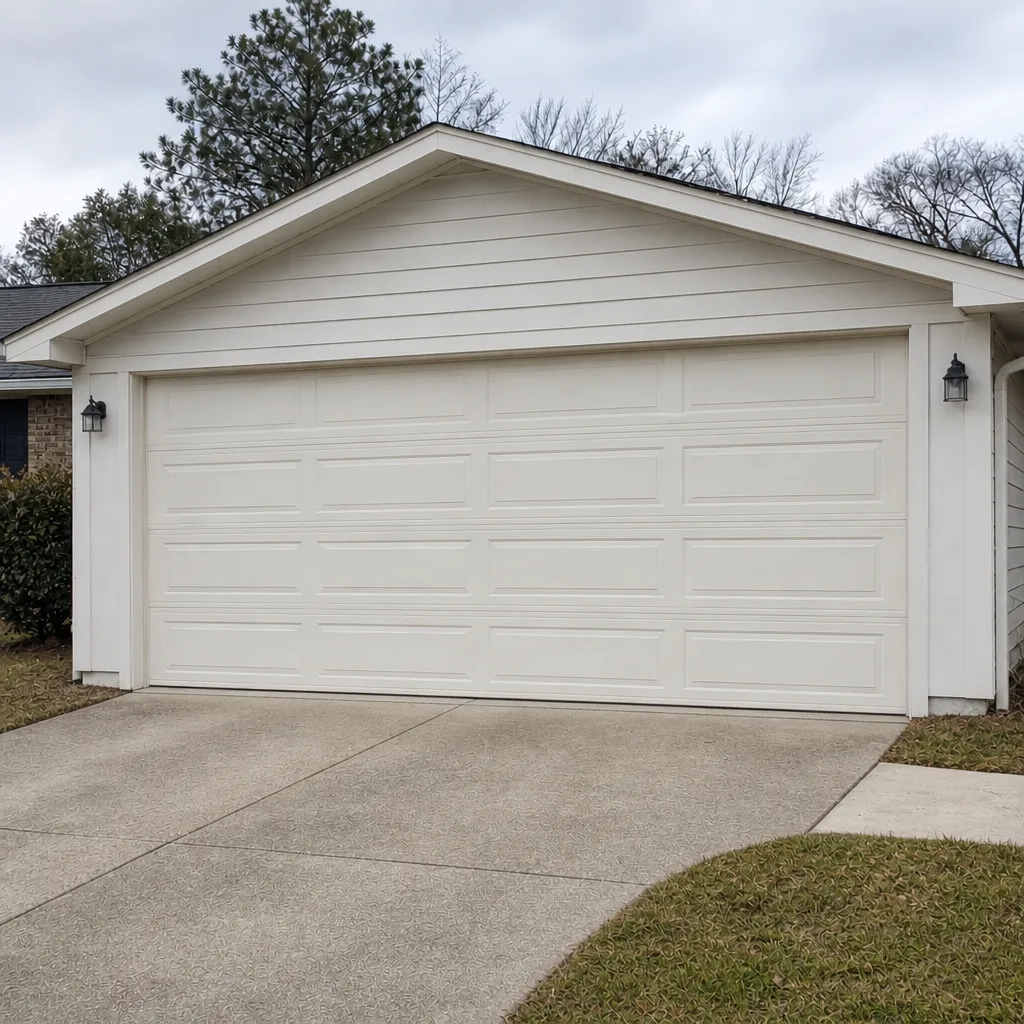 After
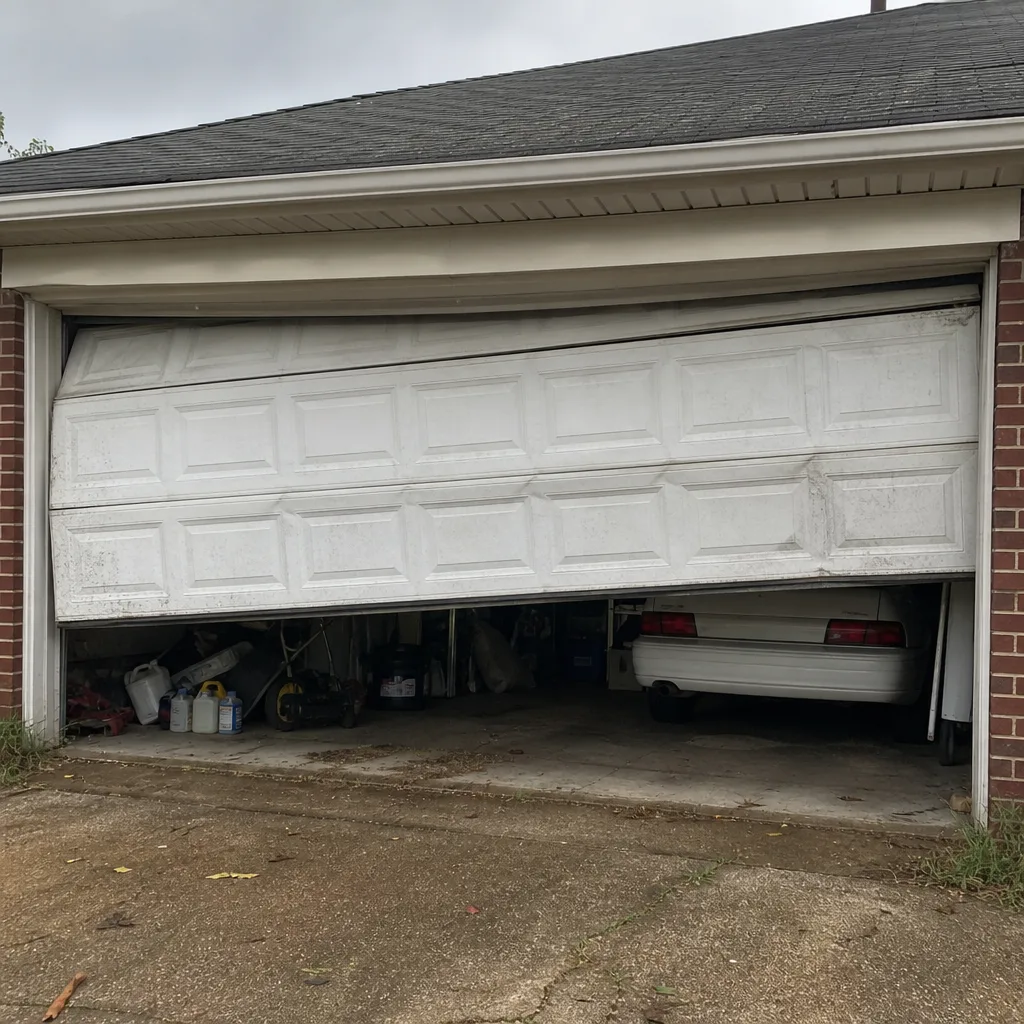 Before
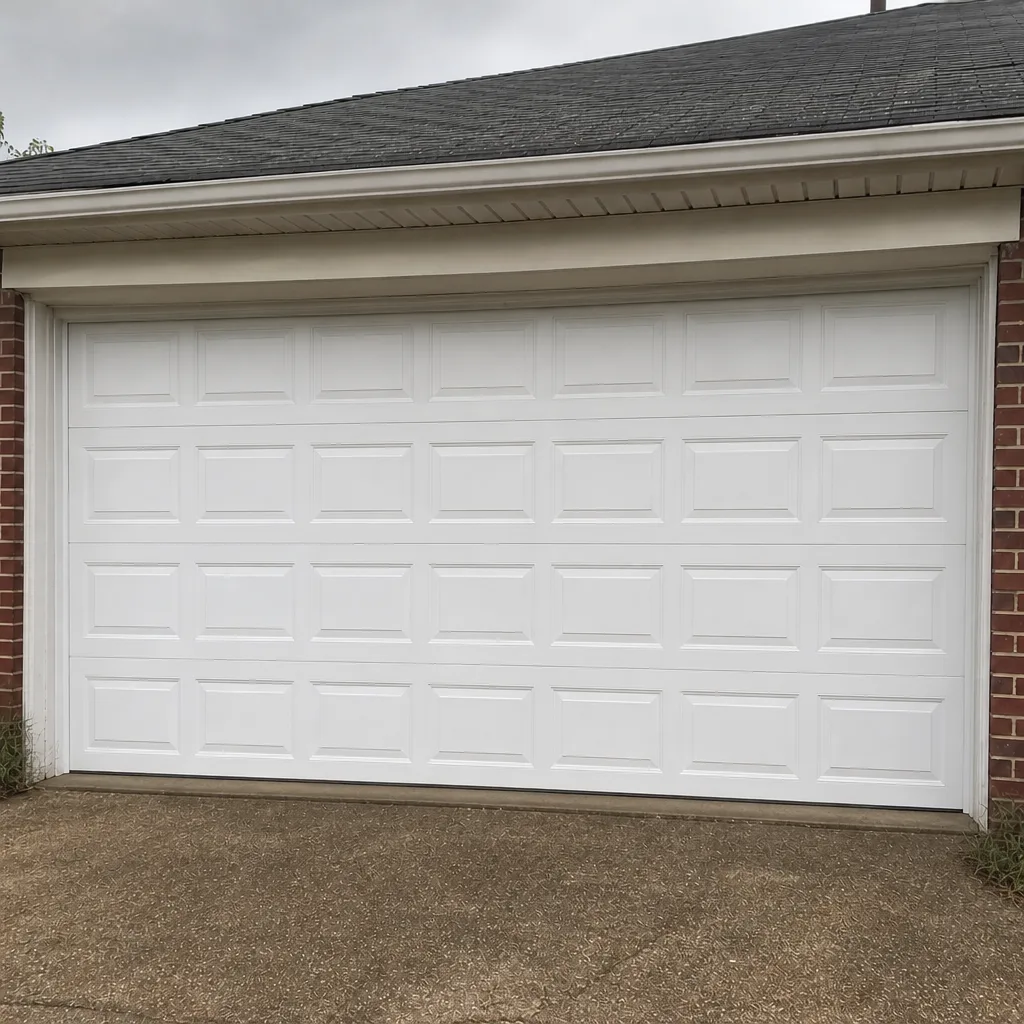 After
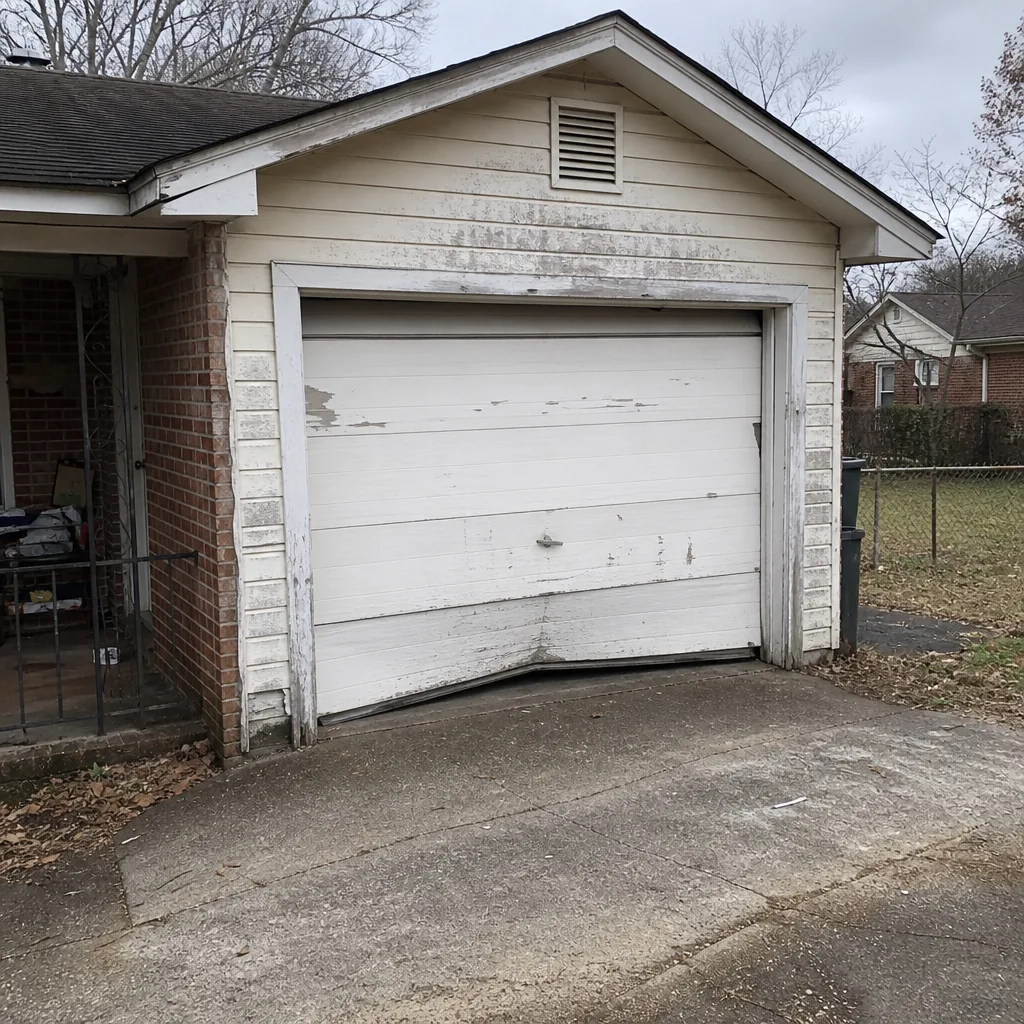 Before
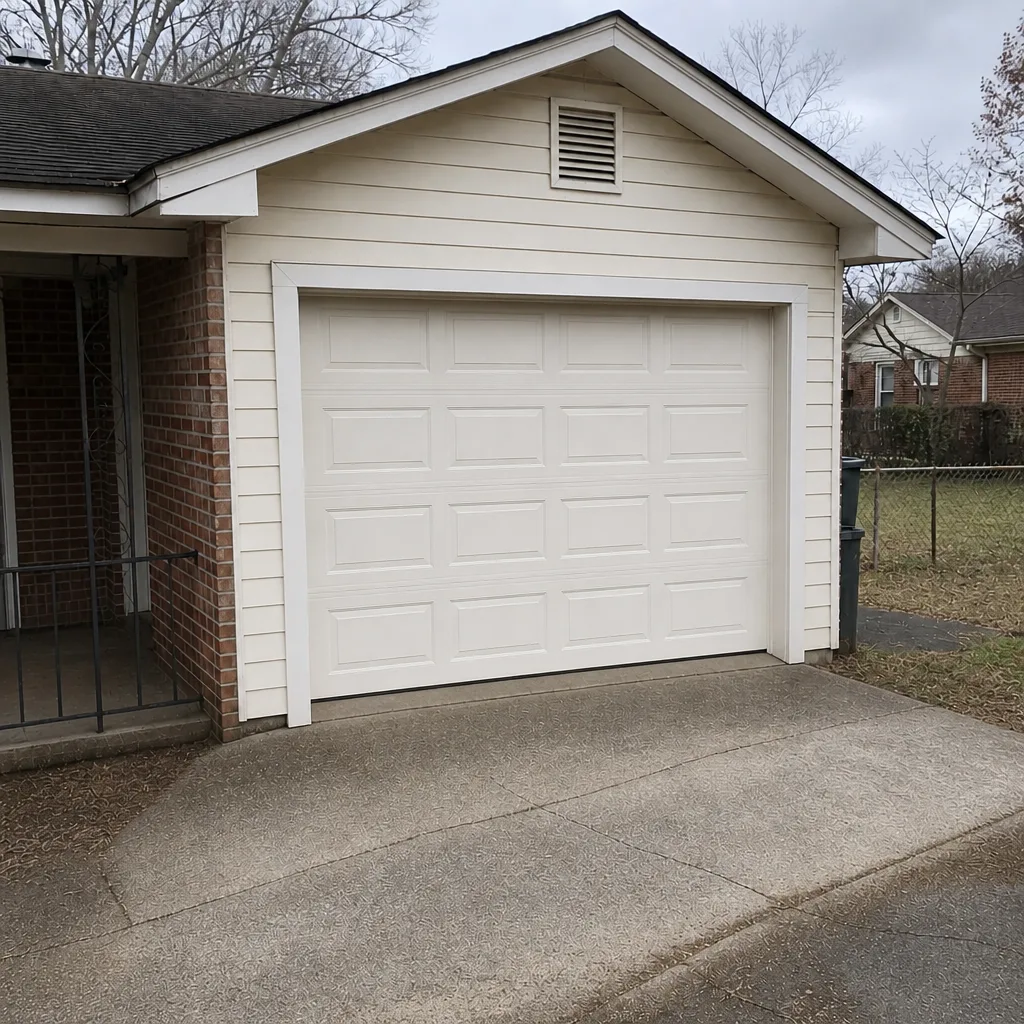 After
Common Mistakes to Avoid
- Assuming a reversal is a bad sensor. It’s the most common assumption and the most common wrong one. Check the path, balance, and settings before you replace a sensor that’s working fine.
- Cranking the force setting to force a stubborn door. This hides a real problem and puts stress on the opener and springs. Fix the binding, then set the force.
- Lubricating the tracks. Tracks should stay clean and dry. Grease traps grit and makes the door bind – a mistake we see often in Tuscaloosa garages after a humid summer.
- Running a door that’s off its track or has a hanging cable. This is the one mistake that can turn a repair into a panel replacement or an injury. Stop the door and call.
- Judging a wood door’s fit while it’s swollen. A wood door that binds in humid weather may not need new hardware; it needs a fit adjustment and a weather seal check.
- Replacing an opener because a remote stopped working. Remotes, batteries, and receivers fail independently from the opener. Diagnose the chain before you replace the motorhead.
- Ignoring a loud pop. A spring that snapped is a spring that will not hold the door. Treating the door as “still usable” is how people get hurt lifting a door that no longer has support.
When to Call a Professional
Call for help when the door involves spring tension, cables, or track hardware that’s been damaged, and stop operating the door in the meantime. Call too when you’ve checked the sensors, the balance, and the travel and force settings and the symptom persists – a door that keeps reversing after a correct setup has a logic board or sensor problem worth diagnosing on-site. Call for an opener that has confirmed power and still won’t respond, and call before a small track issue bends panels. For a door that’s only noisy or slightly out of balance, a call is still reasonable if you’d rather have it looked at than spend the weekend on it.
Ashby Garage Door Repair offers free estimates in Tuscaloosa – call (855) 758-0653. We answer 24/7. Fast dispatch from 7am to 7pm, Sunday through Friday. If you call outside dispatch hours, we’ll book you into the next opening. Our technicians have up to 9 years of experience, and they work on garage doors only, so a diagnosis is the first step rather than an upsell.
Frequently Asked Questions
Typical costs depend on the part and the labor, and the written estimate sets your final price before any work starts. A setting or adjustment is on the lower end, a spring or cable replacement is higher, and a damaged track or panel falls somewhere in between. Call (855) 758-0653 for an exact quote – estimates are free.
Yes, same-day service is available for repair calls. We answer 24/7, and fast dispatch runs from 7am to 7pm, Sunday through Friday. We’re closed on Saturday, and a call outside dispatch hours gets booked into the next opening. Call (855) 758-0653 to check timing for your address.
No, the price is quoted and agreed before any work begins, and the estimate you approve is the price you pay. If we find something else during the visit, we’ll show you and quote it separately before touching it. Call (855) 758-0653 for a free estimate.
Yes, our technicians work as licensed and insured professionals. They focus only on garage doors, not general home repairs, which is why the diagnosis tends to be quicker. Call (855) 758-0653 with any questions about the work before scheduling.
Track the timing. If the symptom shows up in the humid months and fades when the weather turns, it’s environmental, and the fix is usually a seal or fit adjustment. If it never goes away, it’s mechanical and worth a professional look. Call (855) 758-0653 if you’d rather have someone assess it in person.
No. Garage door springs hold stored tension that can cause serious injury if released incorrectly, and this isn’t a do-it-yourself repair. Stop operating the door, keep people clear, and have a trained technician handle it. Call (855) 758-0653 for a free estimate.
The Bottom Line
Start with the symptom, not the part. Noise, stalling, and reversal are usually settings, wear, or the environment – and most of those are within reach of a careful homeowner. Off-track doors, hanging cables, and broken springs are professional work because they hold stored tension, and that’s not a judgment call worth making in a driveway. Tuscaloosa’s humidity makes seasonal behavior a real category of its own, so track when a symptom appears before deciding what it means. If you’ve checked the travel and force settings and the problem persists, the diagnosis is the valuable part – and it’s free.
When you’re ready to have it looked at, Ashby Garage Door Repair works on the brands most Tuscaloosa homes already have, including garage door opener repair for the systems behind most reversal and stalling complaints. Call (855) 758-0653 for a free estimate. We answer 24/7. Fast dispatch from 7am to 7pm, Sunday through Friday.
Written by the team at Ashby Garage Door Repair.